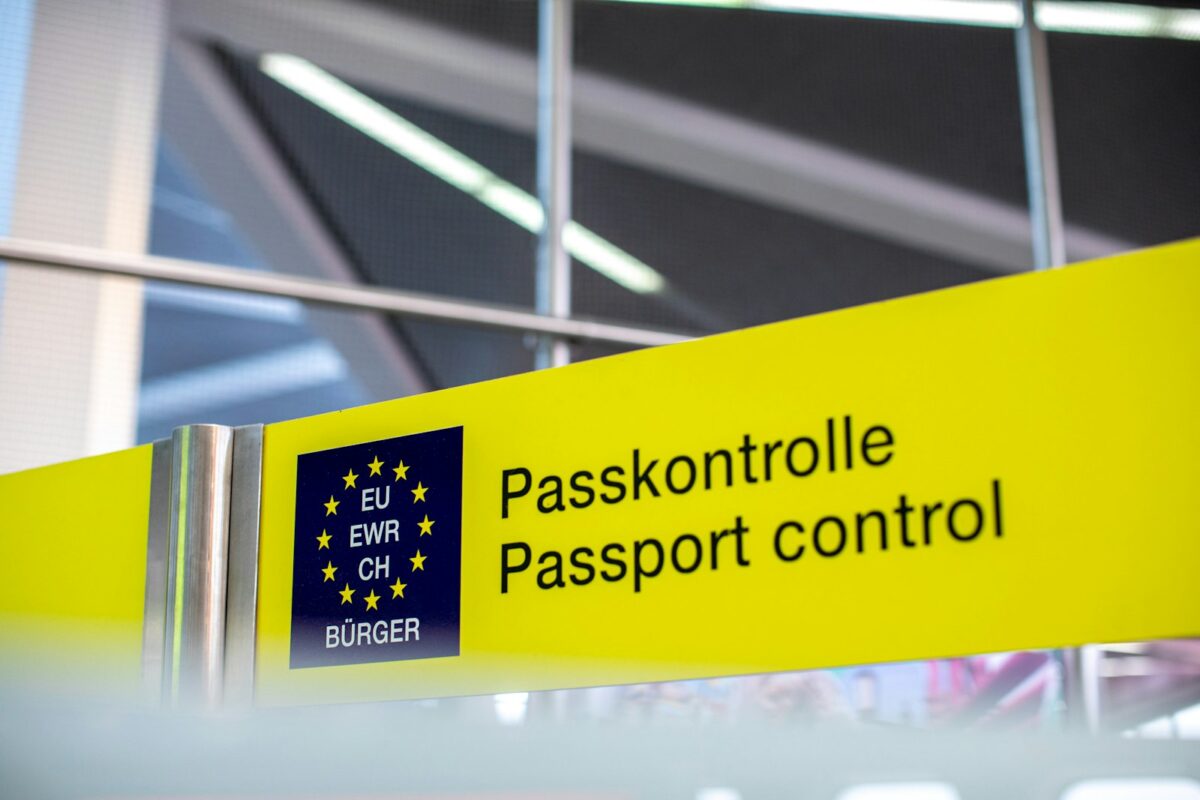
Europe’s borders now remember you. Since becoming fully operational on 10 April 2026, the Schengen EES biometric border records every non-EU traveller’s fingerprints and face on entry and exit, replacing the old ink stamp with a permanent digital trail. Most African travellers will sail through — but a handful of avoidable mistakes are turning quick airport crossings into long, stressful ones. Here are the traps worth knowing before your next trip to Paris, Frankfurt or Lisbon.
Jump to
Mistaking EES for ETIAS
The biggest confusion is treating the Schengen EES biometric border as the same thing as ETIAS. They are not. EES is the system that scans your fingerprints and face at the border itself; ETIAS is a separate online authorisation visa-exempt travellers will need before boarding. Mixing them up leaves people thinking one registration covers everything. It does not. Know which applies to your nationality, complete any pre-travel step in advance, and arrive at the border expecting a biometric scan rather than a quick stamp and wave-through.
Losing track of your 90 days
Under the old stamp system, counting your days in Schengen was a manual guess. EES now tallies them automatically and flags overstays instantly. Consider Tunde, a Nigerian consultant who hopped between client visits across several countries and assumed each trip reset his clock — it never did. With EES, a few days over the 90-in-180 limit can surface immediately and trigger refusals or bans on future trips. Track your own days carefully, because the system already is, and “I lost count” is no longer a defence at the desk.
Underestimating the first crossing
Your first EES entry takes longer because the system enrols your biometrics from scratch — fingerprints, photo and document data. Travellers who book tight connections or assume a five-minute passage can miss flights during peak periods. Build in buffer time on your first post-April 2026 trip, keep your passport and any authorisation ready, and stay patient at self-service kiosks. After enrolment, later crossings are faster. Frequent flyers who already navigated the ETIAS rollout should still treat EES as a separate step.
Travelling to Europe soon and unsure what applies to your passport? Get a clear pre-trip checklist at https://linktr.ee/travelexpore.
Before you fly
- EES scans biometrics at the border; ETIAS is a separate online step.
- Your 90-in-180 days are now counted automatically.
- The first crossing is slower — leave buffer time.
- Digital records replace passport stamps for good.
Traveller FAQs
Is the EES the same as ETIAS?
No. EES is the biometric entry-exit system at the border; ETIAS is a separate travel authorisation you apply for online before you fly.
What does the EES record?
It captures your name, travel document, fingerprints and a facial image, plus the date and place of each entry and exit.
Do I still get a passport stamp?
No. EES replaces manual passport stamping with a digital record of your short stays in the Schengen area.
Does EES change the 90-day limit?
No, but it tracks your days automatically, so overstaying short visits is far easier for border officers to detect.
Related reads
Share this story
- LinkedIn: Europe’s biometric border is live. Three mistakes are slowing African travellers down — here is how to skip them.
- Twitter/X: No more passport stamps in Schengen. The EES now tracks your days automatically. Africans, do not get caught out.
- Facebook: Flying to Europe? The new biometric border changes everything. Read this before you go.
Cross Europe’s new border without the stress
The travellers who breeze through EES are simply the ones who prepared. Travel Explore keeps African flyers ahead of every Schengen change. Get your pre-trip checklist today at https://linktr.ee/travelexpore
Sources
- European Commission, Migration and Home Affairs — “The Entry/Exit System will become fully operational on 10 April 2026” (T0, official). https://home-affairs.ec.europa.eu/news/
- Council of the EU — “How the entry/exit system works” (T0, official). https://www.consilium.europa.eu/en/policies/entryexit-system/