
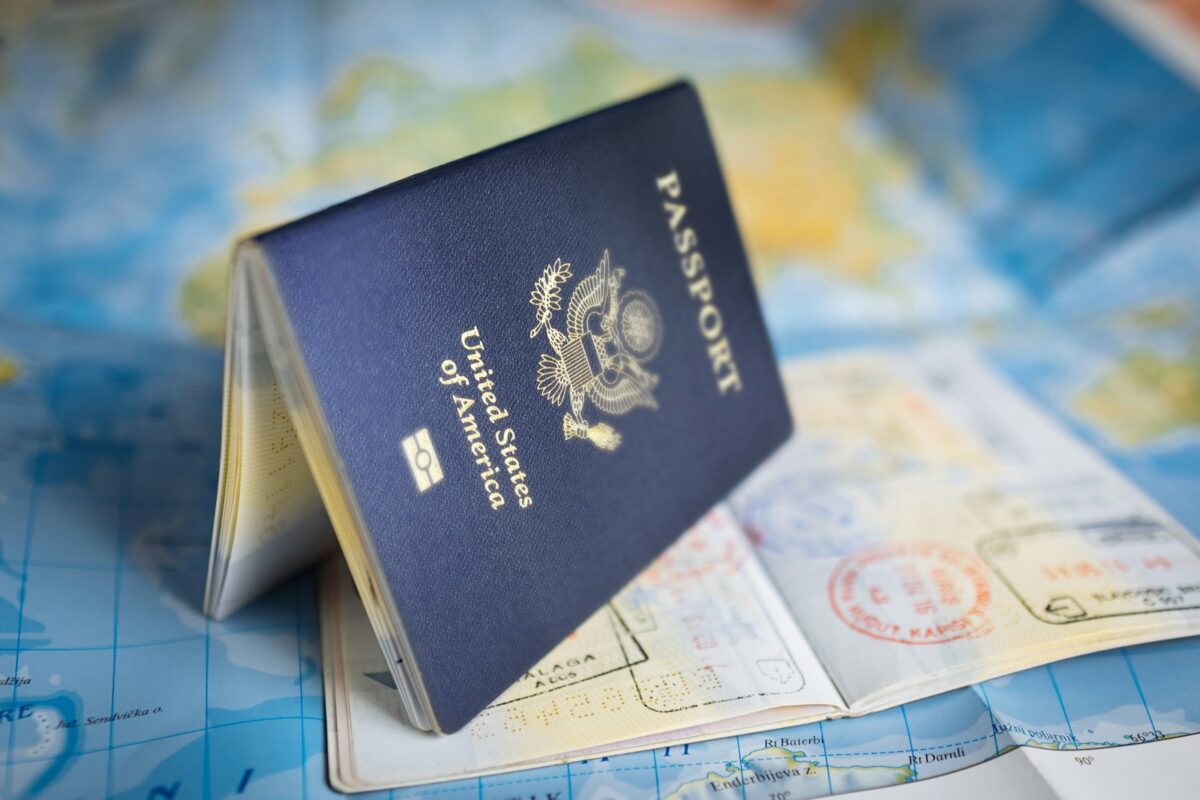
The US immigrant visa pause 2026 is not a rumour any more. On 14 January 2026 the State Department announced an indefinite halt to immigrant visa issuance for nationals of 75 countries, effective from 21 January, and 26 of those countries sit in Africa. Four months in, the pause has not lifted, embassies in Africa are still cancelling immigrant interview slots, and applicants from Nigeria, Ghana, Cameroon, Egypt, Senegal and Ethiopia (plus 20 other African nations) are stuck choosing between waiting, filing anyway, or pivoting to a different route. This guide breaks down what is still possible.
The public charge pause in plain English
The pause is not a travel ban and it is not a final refusal. It is a procedural halt while the Bureau of Consular Affairs rebuilds its public-charge assessment for the listed countries. In practice, US embassies in affected countries are still accepting DS-260 submissions and continuing to schedule interviews, but they are issuing 221(g) refusals or holding cases without final adjudication. Non-immigrant categories (B1/B2 visitor, F-1 student, J-1 exchange, H-1B, O-1, L-1) remain open. So the pause affects green-card seekers going through consular processing, not students or short-term visitors.
The policy memo from January and the parallel changes to USCIS PM-602-0199 in May 2026 sit together: domestic adjustment of status is now restricted to extraordinary circumstances, and overseas processing for 75 listed countries is paused. African applicants are squeezed at both ends, which is why this article exists.
Which African countries are on the 75-nation list
The 26 African nationalities currently caught by the pause are: Algeria, Cameroon, Cape Verde, Republic of Congo (Brazzaville), Democratic Republic of Congo, Egypt, Eritrea, Ethiopia, Gambia, Ghana, Guinea, Ivory Coast, Liberia, Libya, Morocco, Nigeria, Rwanda, Senegal, Sierra Leone, Somalia, South Sudan, Sudan, Tanzania, Togo, Tunisia and Uganda.
Notable exclusions: Kenya, Zimbabwe, Botswana, South Africa, Zambia, Mozambique, Angola, Mauritius, Namibia and Malawi are NOT on the list, so their nationals can still complete immigrant visa processing through US embassies as normal. If you hold dual nationality with a non-listed country (a Sierra Leonean with a Ghanaian father who holds a Mauritian passport, for example), you may be able to file from the second nationality — but only after a fresh legal review, because consulates can and do challenge ties of stronger nationality.
What happens to pending green-card cases
Cases at three stages are getting three different treatments. First, I-130 and I-140 petitions sitting at USCIS continue to move — the pause is only on visa issuance, not petition approval. Second, cases already approved and at the National Visa Center (NVC) are not being scheduled for interview at listed-country embassies; they are being held. Third, cases where the interview has already taken place are being placed in 221(g) administrative processing pending the public-charge reassessment, which means no final refusal and no final approval.
The Diversity Visa programme (DV-2027) has not been formally paused for African selectees yet, but the same public-charge guidance is being applied at interview, so winners from listed countries are being held in 221(g) too. DV winners with an interview window closing in September 2027 should keep filing the affidavit of support paperwork; the case file needs to be ready the day the pause lifts.
Got an interview already scheduled at Lagos, Accra, Cairo or Nairobi? Send the appointment letter through our team via https://linktr.ee/travelexpore and we will tell you within a working day whether the consulate is still booking through the pause.
Practical moves open this week
Three concrete moves are working for our clients right now. Move one: switch to a dual-intent non-immigrant route. H-1B (with the FY27 lottery already drawn under the weighted selection rule), L-1 intra-company transfers, O-1 extraordinary ability and E-2 treaty investor (for nationals of treaty countries, which excludes most African nationals but includes Egypt) all remain processable for listed-country nationals because the pause is on immigrant visas only. The petition still pre-positions you for a future I-485 once the pause lifts.
Move two: open a parallel Canada Express Entry profile. Canada is actively recruiting from the same talent pool the US is now turning away. A 2024 Nigerian software engineer with a US employer-sponsored I-140 already approved is one of the strongest CRS profiles you can imagine; the same person becomes attractive to IRCC overnight. Move three: book consultations with Australia (subclass 189/482), Ireland (Critical Skills permit) and UK (Skilled Worker, even with B2 English and the new 10-year ILR) — three of those routes do not require dual intent and can be filed in parallel.
Frequently asked questions
Is the US immigrant visa pause 2026 a permanent ban?
No. The State Department called it indefinite, not permanent. The pause stays until US embassies finish reassessing public-charge procedures for the 75 listed countries. There is no published end date, but it can lift in pieces — a single country can come off the list before the rest.
Can I still file a new I-130 family petition from Nigeria or Egypt?
Yes. USCIS is still accepting and adjudicating I-130 and I-140 petitions. The pause is only on consular visa issuance, so the petition stage continues. Most applicants should keep filing now so the case is approved and queue-positioned when the pause lifts.
What about Diversity Visa 2027 winners from Africa?
Selectees from the 26 affected African nationalities are being placed in 221(g) administrative processing at interview. The case is not refused and not approved. Keep the documentation moving and watch your case status portal monthly.
Can I switch to a tourist or student visa and adjust later?
Non-immigrant visas remain open, but USCIS PM-602-0199 (May 2026) restricts adjustment of status to extraordinary circumstances. Most non-immigrants will be told to do consular processing — which is exactly what is paused. Talk to a US immigration attorney before relying on this.
Are Kenyan, South African and Zimbabwean applicants affected?
No. None of these countries appear on the 75-nation list. Their nationals can continue immigrant visa processing through their US embassies as normal.
Need a clearer roadmap?
If today’s policy story has changed your plan, send our consultants a note via https://linktr.ee/travelexpore and we will map your next 30 days in writing.
The short version
- 26 African nationalities are on the 75-country pause; the rest of the continent (Kenya, South Africa, Zimbabwe, Botswana and others) is unaffected.
- USCIS petitions still move; only consular visa issuance is paused, so do not stop filing I-130 or I-140.
- Open a parallel Canada Express Entry, Australia 189/482 or UK Skilled Worker file now — these routes do not depend on US policy.
- Dual-intent visas (H-1B, L-1, O-1) remain open and pre-position you for a faster I-485 once the pause lifts.
Related reads from Travel Explore
- USCIS Consular Processing Pivot 2026: PM-602-0199 Guide for African H-1B & F-1 Holders
- Canada Express Entry Categories 2026: How African Skilled Workers Land Healthcare, French and Physician Draws
- UK Graduate Route 2026: The 2-Year Window Before the January 2027 Cut
Share this story
- 26 African passports just got benched from the US green card line — here are the routes you can still file today.
- If your US interview was cancelled in Lagos, Cairo or Accra, this is the playbook our team is running for clients right now.
- DV-2027 winner from Nigeria or Ethiopia? Read this before you book a flight.
Have a question about your case? Tap our team via https://linktr.ee/travelexpore and we’ll come back to you with a written next step.