Category Archives: EU

Europe’s New Biometric Border Is Live – Don’t Get Caught Out

The wave-your-passport days at Schengen borders are over. Since April 10, 2026, the EU EES biometric border has been fully live, logging fingerprints and a facial image for every non-EU visitor on entry and exit. A second system, ETIAS, lands later this year. Together they change how billions of short trips into Europe begin. If you visit the Schengen area for tourism, business or family, two new steps now sit between you and the arrivals hall.

By the Travel Explore editorial desk. Last updated 20 July 2026.

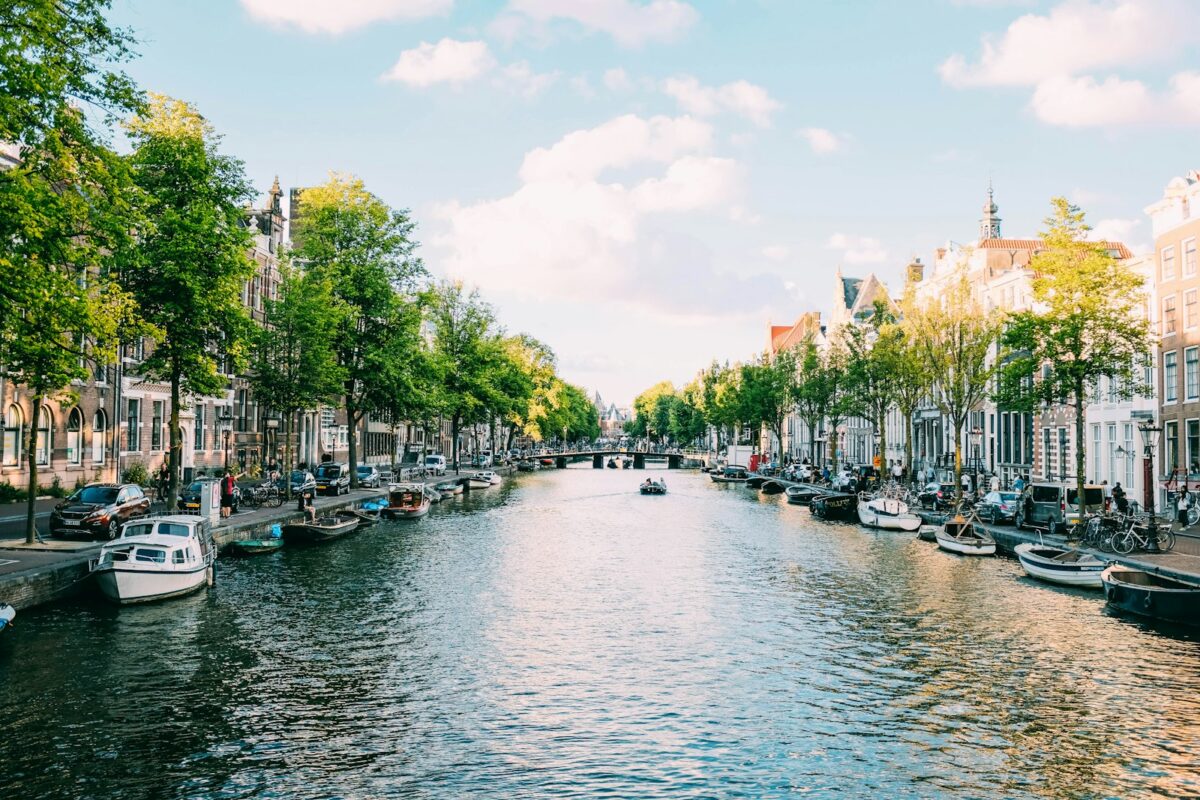
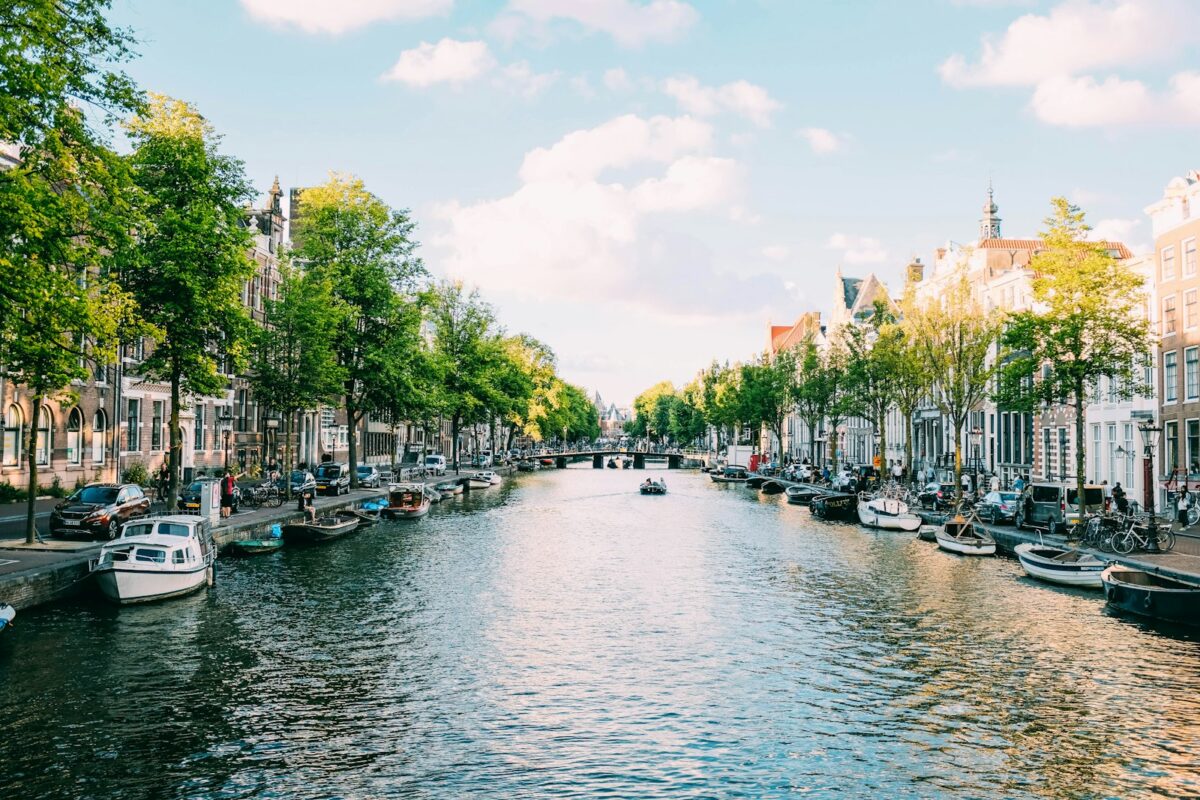
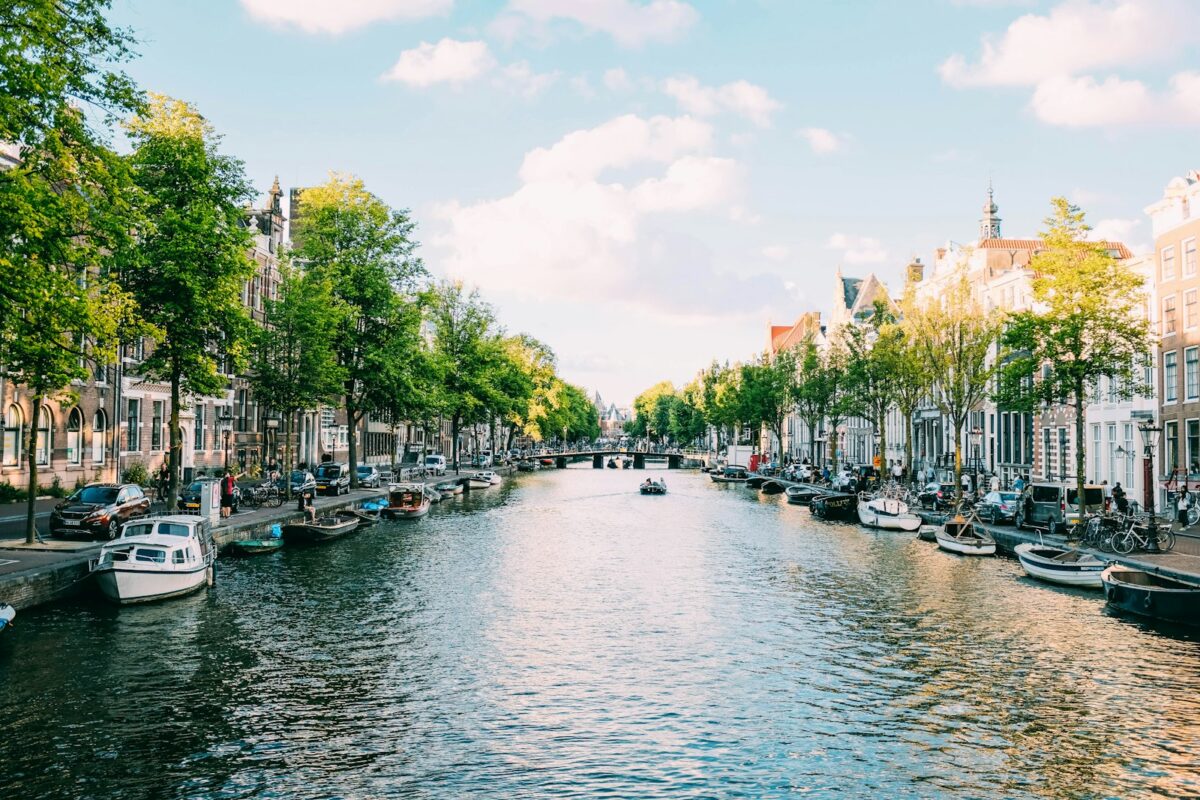
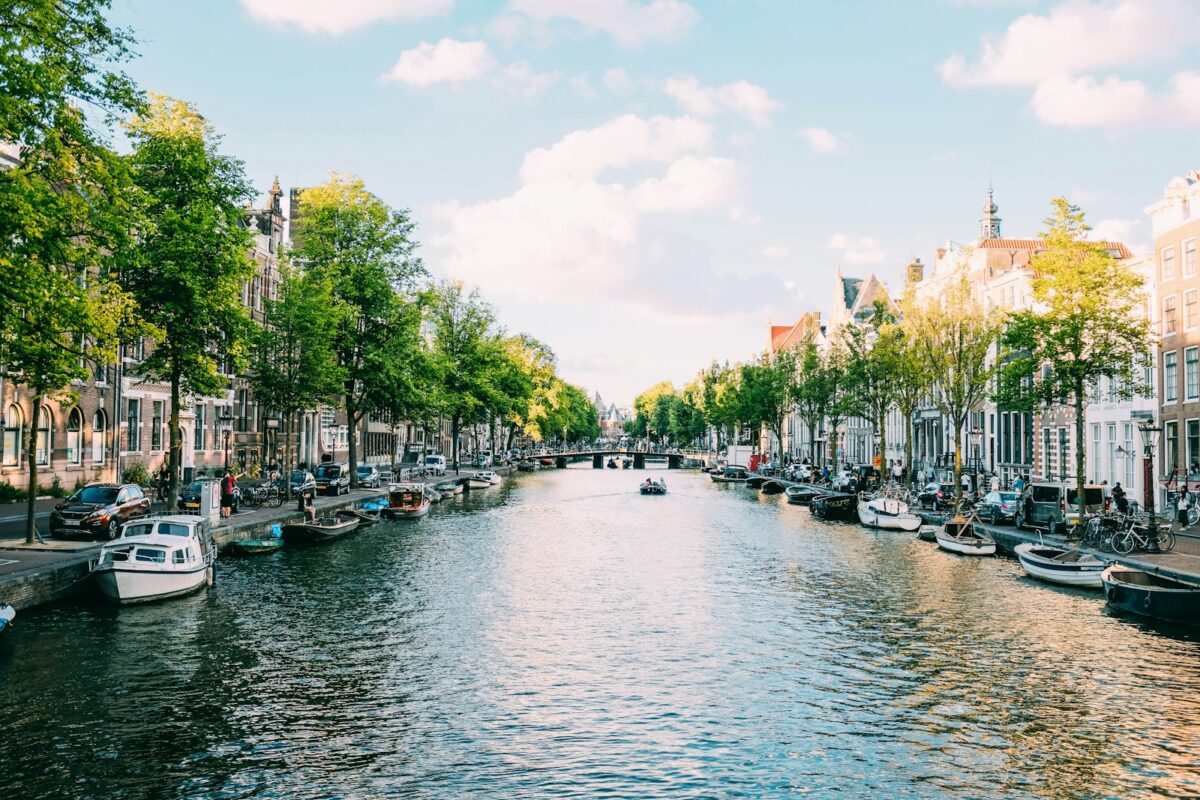
EU EES biometric border control near an Amsterdam canal

On this page

What the EES biometric border records

The Entry/Exit System replaces passport stamps with a digital record. At the booth, the EES biometric border captures your name, travel document, date and place of entry, and biometrics: fingerprints and a facial image. Children under 12 give a photo but no fingerprints. The first time takes longer; later crossings reuse your stored data.

The system also counts your days automatically. The 90-days-in-any-180 rule for short stays is now machine-enforced, so a careless overstay is far harder to hide. The EU describes the data as “fingerprints and a facial image” held for repeat use.

How ETIAS fits in later this year

ETIAS is the second piece, expected in the last quarter of 2026. It is a pre-travel authorisation, not a visa, for visa-exempt nationalities. You apply online, pay a 20-euro fee, and most approvals arrive within 96 hours. A six-month grace period follows launch, during which travel without it is still allowed if you meet every other entry rule.

One detail trips people up. Ireland sits outside both systems, so a Dublin trip works the old way. The rest of Schengen does not.

Getting your trip ready

Consider the Almeida family from Sao Paulo, flying into Lisbon for a three-week summer holiday. Their first EES registration adds a few minutes at the kiosk, and once ETIAS is live they will each need an authorisation before boarding, including their teenager. Build that into your timeline, not your taxi queue.

Practical prep is simple. Carry the passport you registered with, since your biometrics are tied to that document. Arrive earlier on your first post-April crossing. And ignore any site selling ETIAS today, because no authorisation is being issued yet.

Planning a Europe trip this year and unsure which step applies to your passport? Get a quick personal checklist at https://linktr.ee/travelexpore.

Before you fly

  • EES is live now and records your biometrics at the border.
  • Your 90/180-day count is tracked automatically.
  • ETIAS arrives around Q4 2026 with a 20-euro online fee.
  • No real ETIAS exists yet, so avoid any site charging for one.

Common questions, answered

Is EES a visa?

No. It is a border record of entries, exits and biometrics. It does not replace any visa you already need.

Do I need ETIAS right now?

Not yet. It is expected in late 2026, with a six-month grace period after launch.

Will my children be fingerprinted?

Under-12s give a facial image only. Older travellers give fingerprints too.

Does any EU country skip these systems?

Ireland is outside both EES and ETIAS, so its border process is unchanged.

Keep reading

Share this story

  • LinkedIn: Europe quietly switched on biometric borders. Two new steps now sit between you and arrivals.
  • Twitter: The EU EES biometric border is live and your 90/180 days are now auto-counted. ETIAS next.
  • Facebook: Heading to Europe this year? Two new border steps you need to know about.

Cross the border knowing the rules

A few minutes of preparation saves a stressful arrival. Check which step applies to your nationality and your trip, and grab a tailored Europe entry checklist at https://linktr.ee/travelexpore.

Sources

Tapay copy tradingGrow your money while you plan your moveTapay auto-copies a live trading strategy to your own account — spot & futures. Start free on demo, go live when you’re ready.Start free →

Trading involves risk. Only trade what you can afford to lose.
The Netherlands Is Trimming English Degrees for Students

Studying in the Netherlands in English is not disappearing. It is getting narrower. Under a new balance law, Dutch universities are cutting or capping Netherlands English-taught degrees, switching some bachelor programmes back to Dutch and setting enrolment limits on others. The goal is to ease housing shortages and protect the Dutch language, not to shut out the world. But for an international student picking a 2027 intake, the practical effect is real: fewer English seats, and more competition for the ones that remain.

By the Travel Explore editorial desk. Last updated 11 July 2026.

What’s inside

Why the Netherlands is scaling back English-taught degrees

International enrolment in the Netherlands grew fast for a decade, and it brought strain: packed lecture halls, a severe student housing crunch, and worry that Dutch was fading as the language of instruction. The government’s Balanced Internationalisation Act pushes universities to restore Dutch as the norm in bachelor teaching while keeping English where the labour market clearly needs it. Ministers framed the aim as balance, not closure, with one saying the country still “relies on knowledge”. Universities have also moved on their own, converting several psychology and business bachelors to Dutch and adding caps elsewhere. Master’s programmes, which are far more international, are much less affected.

What the changes mean for international students

Picture a Vietnamese student who set her heart on an English-taught psychology degree in the Randstad. Many of those exact programmes are shifting to Dutch, so her list of options shrinks and the remaining English seats draw more applicants. Several economics and business bachelors are introducing a numerus fixus, a fixed cap, on their English tracks. The timing matters: most changes take effect from the 2026-27 academic year, not overnight, and one language-testing requirement for existing programmes was dropped in July after pushback. Border-region and shortage-linked courses are more likely to keep English teaching.

Weighing a study route and the visa behind it? Start with our visa eligibility checker to see where you stand.

How to lock in an English programme before the caps bite

Move earlier than you think you need to. Confirm directly on each university’s page that your programme is still taught in English for your intake year, because course catalogues are being updated. Favour master’s programmes and shortage-linked fields, which keep more English seats. Prepare a strong file: solid grades, a clear motivation letter, and an English test result ready to submit. For capped programmes, apply the day the window opens rather than near the deadline. A backup choice in a border-region university can save your year.

Related reads

What to remember

  • English bachelor seats are shrinking, not vanishing.
  • Several psychology and business bachelors are switching to Dutch.
  • Master’s programmes stay largely English-taught.
  • Apply early to capped English tracks.

Student questions

Can I still study in the Netherlands in English?
Yes, especially at master’s level and in shortage-linked fields, though English bachelor options are narrowing.

What is a numerus fixus?
It is a fixed cap on the number of students admitted to a programme, decided through selection rather than first-come entry.

When do the changes start?
Most take effect from the 2026-27 academic year, with universities updating course lists ahead of that.

Are master’s degrees affected too?
Far less. The reforms focus mainly on bachelor teaching and the language of instruction.

Share this story

  • LinkedIn: The Netherlands is trimming English bachelor degrees. Students, plan around it.
  • Twitter: Fewer English-taught seats in Dutch universities from 2026-27. Here is the workaround.
  • Facebook: Dreaming of studying in the Netherlands? Read this before you pick a programme.

Choose your programme with open eyes

The Dutch door is still open, just not as wide. Verify the language of your course, target the intakes that stay English, and apply early. For study-abroad and student visa updates as they change, follow us at https://linktr.ee/travelexpore

Sources

  • Government.nl, balanced internationalisation of higher education (T0 official)
  • Universiteiten van Nederland, universities rebalance internationalisation (T1 sector body)
  • ACA, Internationalisation in Balance bill briefing (T1 specialist)


Tapay copy tradingGrow your money while you plan your moveTapay auto-copies a live trading strategy to your own account — spot & futures. Start free on demo, go live when you’re ready.Start free →

Europe Will Pay You to Study a Masters — Apply From October

Picture finishing a masters that was taught in three countries, with your tuition paid and a stipend landing every month. That is the deal behind the Erasmus Mundus scholarship, one of the few programmes that funds an entire international degree rather than a slice of it. For the 2027 intake, most calls open between October 2026 and January 2027. If you have wanted to study in Europe without draining savings, this is the window to prepare.

By the Travel Explore editorial desk. Last updated 7 July 2026.

In this guide

What the Erasmus Mundus scholarship actually pays

These are Joint Masters run by a consortium of universities, so you study in at least two countries and graduate with a joint or multiple degree. The EU grant is generous. It covers tuition, contributes to travel and insurance, and adds a living allowance of roughly €1,400 a month for up to 24 months. Erasmus+ describes it as covering participation costs plus “a monthly allowance for living costs.” Compared with paying international fees out of pocket, the package can be worth tens of thousands of euros across the degree. That is the difference between a masters you dream about and one you actually enrol in.

Who can apply and what wins a place

Applicants from almost anywhere in the world are eligible, and you apply directly to the programme, not to a central office. Selection is competitive and academic fit matters most. Strong grades, a focused statement that matches the course theme, solid references, and proof of English carry the file. Nguyen, an engineering graduate from Da Nang, framed his application around a single research interest that ran through all three host universities. That coherence, not a long list of activities, is what selection panels reward. Browse live courses in the official EACEA catalogue and shortlist two or three that genuinely match your background.

A timeline that keeps you ahead

Work backward from the deadline. Most 2027-intake calls open in October or November 2026 and close between December and January. That leaves autumn 2026 for test bookings, transcripts, and references. Start your English test now if you need one. Draft the motivation letter early and tailor a fresh version for each consortium. Confirm each course is on the official catalogue before you invest hours, since only listed programmes carry the EU-funded scholarship for that year.

Planning the student-visa side too? Start with our visa eligibility checker and keep everything in one place at https://linktr.ee/travelexpore.

Keep these in view

  • Funding covers tuition, travel, insurance, and about €1,400 monthly for up to two years.
  • You study in two or more countries and earn a joint or double degree.
  • Apply directly to each programme, using the official EACEA catalogue.
  • Most 2027 calls open October to November 2026 and close by January.

Common questions answered

How much is the Erasmus Mundus scholarship worth?

It covers tuition and travel and pays a living allowance of about €1,400 a month for up to 24 months, though exact figures vary by programme.

Can students from outside Europe apply?

Yes. The scholarship is open to applicants worldwide, with a set share of places reserved for candidates from partner countries.

Where do I submit my application?

Directly to each Joint Masters consortium listed on the official EACEA catalogue, each with its own deadline and requirements.

When do 2027 applications open?

Most calls open between October 2026 and January 2027 for programmes starting in the 2027 academic year. Always confirm on the course page.

Related reads

Share this story

  • LinkedIn: Europe will fund your entire masters, tuition plus a monthly stipend, across two or more countries. The 2027 calls open from October.
  • Twitter/X: Erasmus Mundus pays tuition + ~€1,400/month to study across Europe. 2027 applications open October 2026.
  • Facebook: A fully funded masters in Europe is real. Here’s how the Erasmus Mundus scholarship works.

Start the paperwork before the rush

The students who win these places are rarely the busiest. They are the ones who started early and matched a real interest to the right course. Shortlist your programmes now and build the file over the summer. Keep your study-abroad plan on track at https://linktr.ee/travelexpore.

Sources

  • European Commission, Erasmus Mundus Joint Masters for students, erasmus-plus.ec.europa.eu (T0 official)
  • EACEA, official Erasmus Mundus programme catalogue, eacea.ec.europa.eu (T0 official)


Tapay copy tradingGrow your money while you plan your moveTapay auto-copies a live trading strategy to your own account — spot & futures. Start free on demo, go live when you’re ready.Start free →

Earn Big, Keep More: Europe’s Expat Tax Breaks Compared

The passive-income tax holiday is fading. The talent tax breaks are not. If you are a skilled professional or founder choosing a European base, the difference between countries can be tens of thousands of euros a year. Three regimes dominate the conversation: the Dutch 30% ruling, Spain’s Beckham Law, and Portugal’s IFICI. This is your plain-language guide to expat tax breaks in Europe as of 2026, what each one offers, and where the fine print bites. No jargon, just the numbers that move your decision.

By the Travel Explore editorial desk. Last updated 6 July 2026. This is general information, not tax advice.

In this article

Why these expat tax breaks exist

Countries compete for skilled people the same way companies compete for staff. Special tax regimes are the bait. They let qualifying newcomers keep more of their income for a set number of years, offsetting the cost and hassle of relocating. The catch is that each regime targets a different profile. Some reward high earners with a flat rate. Some exempt foreign income. Some are open only to specific professions. Read them as tools, not trophies. The best expat tax breaks for a software founder may be useless to a retiree, and the reverse is just as true.

The Dutch 30% ruling, now heading to 27%

The Netherlands lets eligible incoming employees receive part of their salary tax-free. For 2025 and 2026 that share stays at 30%. From 1 January 2027 it drops to 27%, and the salary norm rises to €50,436. Employees who received the ruling before 2024 keep the full 30% and partial non-resident status until the end of 2026, a transition cushion for early movers. It is generous but employment-based, so you need a qualifying job and salary. If the Netherlands is on your shortlist, timing your start date around these thresholds genuinely matters.

Spain’s Beckham Law and Portugal’s IFICI

Spain’s Beckham Law is the crowd favourite for high earners. It applies a flat 24% on employment income up to €600,000, exempts most foreign income, and carries no minimum salary requirement, covering employees, remote workers, directors and startup founders. Portugal’s successor to the old NHR is IFICI, sometimes called NHR 2.0, offering a flat 20% rate for up to ten years but limited to innovation and qualified roles. Consider Mateo, a fintech founder from Mexico deciding between Madrid and Lisbon. If his income is high and mostly foreign, Spain’s exemption often wins. If his work fits Portugal’s innovation criteria, the 20% rate and longer horizon can pull ahead.

Thinking about where to base yourself? Check which visa you qualify for before you weigh the tax.

The quick comparison

  • Netherlands: 30% tax-free share in 2026, falling to 27% in 2027. Needs a qualifying job.
  • Spain: flat 24% up to €600,000, foreign income largely exempt, no minimum salary.
  • Portugal IFICI: flat 20% for up to 10 years, limited to innovation and qualified roles.
  • Match the regime to your income shape and profession, not the headline rate.

Tax questions, answered

Is the Dutch 30% ruling ending? It is shrinking, not ending. It stays 30% through 2026 and becomes 27% from 2027, with a higher salary norm.

Who benefits most from Spain’s Beckham Law? High earners with significant foreign income, thanks to the flat 24% band and the foreign-income exemption.

Did Portugal scrap NHR? The original NHR closed to new entrants. Its successor, IFICI, targets innovation and qualified professions at a flat 20%.

Can I combine a visa with these tax breaks? Yes. The visa gives you the right to live and work; the tax regime is a separate application once you qualify as a resident.

Related reads

Share this story

  • LinkedIn: Netherlands, Spain or Portugal? Here’s how Europe’s three big expat tax breaks actually compare in 2026.
  • Twitter: Dutch 30% ruling vs Spain’s 24% Beckham Law vs Portugal’s 20% IFICI. Which keeps more of your income?
  • Facebook: Moving to Europe for work? The country you pick changes your tax bill. Compare the big three here.

Choose your base with eyes open

Tax breaks are powerful, but they reward planning, not wishful thinking. Match the regime to how you actually earn, confirm the current rules with a local adviser, and you can keep far more of what you make. For help lining up the visa behind the move, start here: https://linktr.ee/travelexpore

Sources

  • Business.gov.nl, 30% ruling compensation down to 27% (T0 official) — https://business.gov.nl/amendments/30-percent-ruling-compensation-down-to-27-percent/
  • PwC Netherlands, Expat ruling becomes 27% ruling (T1 specialist) — https://www.pwc.nl/en/insights-and-publications/tax-news/pwc-special-budget-day/expat-ruling.html


on”:3,”name”:”IELTS, PTE or Duolingo? The English Test That Fits Your Visa”,”item”:”https://travelexpore.com/2026/07/05/ielts-vs-pte-vs-duolingo-english-test-visas-2026/”}]}
Tapay copy tradingGrow your money while you plan your moveTapay auto-copies a live trading strategy to your own account — spot & futures. Start free on demo, go live when you’re ready.Start free →

Europe Switches On ETIAS Soon — What Travellers Should Know

Mark the calendar for late 2026. That is when Europe ETIAS travel authorisation is expected to switch on, adding a quick online step before millions of visa-free visitors can board a flight to the Schengen area. If you hold a passport that currently lets you into Europe without a visa, this new pre-screening will soon apply to you. The date matters. Miss the step and an airline can refuse to let you fly, even with a valid passport in hand.

By the Travel Explore editorial desk. Last updated 5 July 2026.

In this article

Who the travel authorisation covers

ETIAS targets people from roughly 60 visa-exempt countries: the United States, United Kingdom, Canada, Australia, Japan, Brazil, and many more. If today you can enter France or Spain for a short stay just by showing your passport, the new rule is aimed squarely at you. It applies to tourism, business trips, and short family visits of up to 90 days in any 180-day period. Consider Bruno, a São Paulo software founder who flies to Lisbon twice a year to meet clients. From launch, he will need an approved Europe ETIAS travel authorisation linked to his passport before check-in. Holders of a Schengen visa or an EU residence permit are exempt, since they already cleared deeper checks.

When ETIAS actually switches on

The system sits behind the Entry/Exit System, which went fully live on 10 April 2026. With that biometric border now running, the EU has pencilled ETIAS in for the final quarter of 2026. A six-month transition follows, so an approval will not be strictly required until around April 2027. The fee is fixed at €20 per adult, confirmed by the European Commission after years of a lower figure circulating online. The EU describes the process as “quick and easy to complete”. Most applications are approved within minutes, though some can take days if extra checks are triggered. Apply early.

Not sure whether your passport needs ETIAS or a full visa? Run your profile through our visa eligibility checker in two minutes.

Applying without the last-minute panic

Applications open on the official ETIAS website and app only. You will enter passport details, answer background questions, and pay the €20 online. No card, no boarding. Approval attaches to the passport you applied with, so a renewed passport means a fresh application. Book flights and accommodation, but do not treat approval as automatic. If refused, you receive a reason and an appeal route, and you may still apply for a Schengen visa instead. The safest habit is simple: apply the moment you decide to travel, not the night before your flight.

The short version

  • ETIAS is expected to launch in the last quarter of 2026, mandatory around April 2027.
  • The fee is €20; under-18s and over-70s pay nothing.
  • One approval covers multiple trips for up to three years or until your passport expires.
  • It is a screening, not a visa, and does not guarantee entry at the border.

Quick answers before you travel

When does ETIAS start?
The EU expects ETIAS to go live in the last quarter of 2026, followed by a transitional grace period running into 2027 before it becomes mandatory.

How much does the Europe ETIAS travel authorisation cost?
The fee is €20 for most applicants. Travellers under 18 or over 70 pay nothing.

How long is an approval valid?
Up to three years, or until your passport expires, whichever comes first. It covers multiple short stays.

Does ETIAS replace a Schengen visa?
No. It is a pre-travel screening for visa-exempt nationalities, not a visa, and it does not by itself guarantee entry.

Related reads

Share this story

  • LinkedIn: Europe is adding a €20 online step before you fly. Here is who it hits first.
  • Twitter/X: ETIAS is coming in late 2026. No approval, no boarding. Thread-worthy for frequent flyers.
  • Facebook: Planning a Europe trip in 2027? Read this before you book.

Plan your Europe trip the smart way

A new border step should not derail a good trip. Get plain-language visa and travel updates, checklists, and tools in one place at https://linktr.ee/travelexpore

Sources

  • European Union — Travel to Europe / ETIAS portal (T0 official): https://travel-europe.europa.eu/etias_en
  • Fragomen — ETIAS and EES launch status update (T1 specialist): https://www.fragomen.com/insights/european-union-european-travel-information-and-authorisation-system-etias-launch-delayed.html


Tapay copy tradingGrow your money while you plan your moveTapay auto-copies a live trading strategy to your own account — spot & futures. Start free on demo, go live when you’re ready.Start free →