
Category Archives: Work Permits

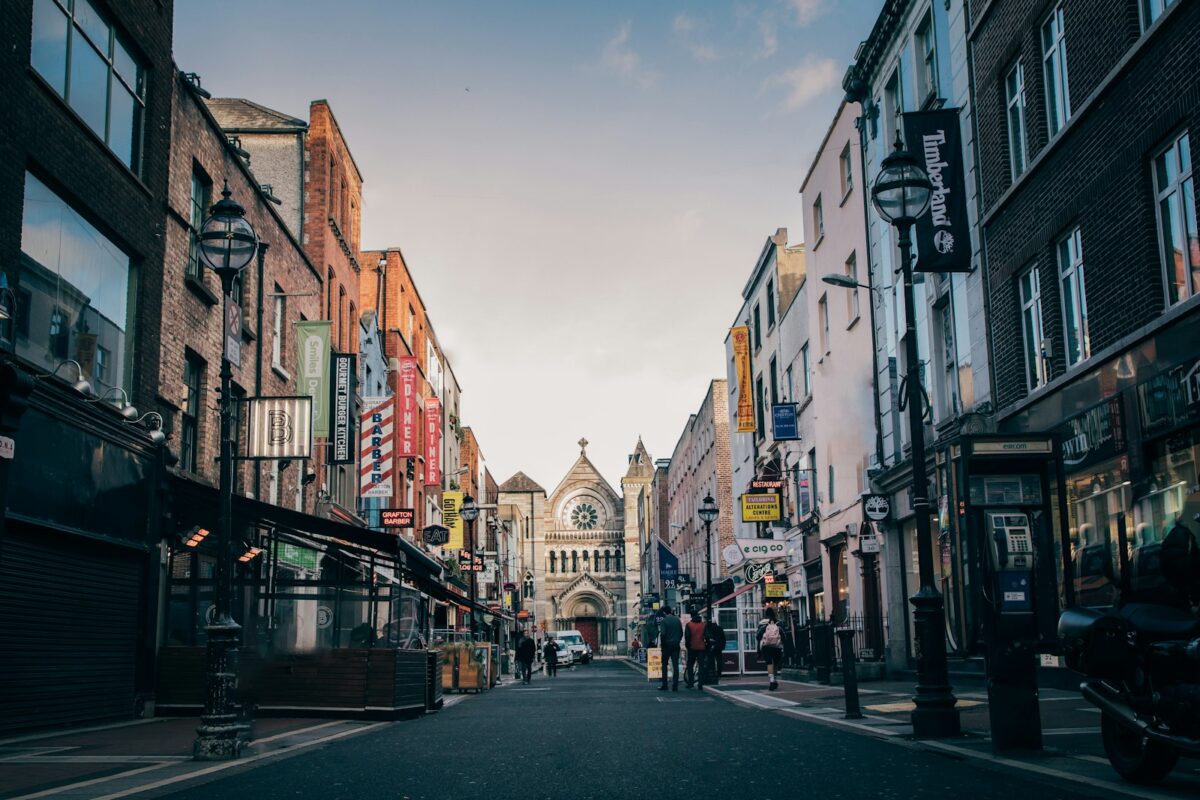
Belgium Single Permit 2026: How African Skilled Workers Land EUR 50,310 Roles in Brussels and Antwerp

The Belgium Single Permit 2026 is the combined work-and-residence card that has quietly become one of Western Europe’s cleanest skilled-worker entries. Brussels, Antwerp, Ghent and Liège are short on engineers, IT specialists, nurses and skilled tradespeople — and the regional shortage lists are wide open to African talent. Salary floors range from €36,201 (junior, regional shortage) to €50,310 (general highly skilled), with decisions landing inside 4 months.

What is the Belgium Single Permit 2026?

Belgium reformed its work-permit system in 2019 to merge the work authorisation and residence permit into one application called the Single Permit (Combinée). The 2026 update keeps that one-stop structure but increases the salary thresholds to align with EU directives. Belgium operates three regional labour markets — Flanders, Wallonia and Brussels-Capital — and each region maintains its own bottleneck occupation list. Per the Belgian Immigration Office Single Permit page, the regional authority decides on the work permit while the federal Immigration Office issues the residence card.

Application fees range from €138 (junior employee) to €202 (highly qualified). Permits are typically issued for the duration of the contract, capped at 36 months and renewable. After 5 years of legal residence in Belgium, holders qualify for permanent residence and, eventually, naturalisation.

Who is affected?

The Belgium Single Permit is a strong fit for African skilled workers in the regions where shortages bite. Flanders bottleneck occupations include software engineers, civil engineers, mechanical engineers, registered nurses, electricians, welders and HVAC technicians. Wallonia’s list mirrors industrial sectors with chemists, biotechnologists and food technologists. Brussels-Capital draws ICT specialists, healthcare professionals and EU-language speakers.

This fits a Senegalese ICT specialist heading to a Brussels EU institution contractor, a Cameroonian civil engineer joining a Flemish infrastructure firm, a Nigerian registered nurse with a Leuven hospital offer, an Ivorian biochemist going to a Walloon pharma cluster, a Tanzanian welder working for an Antwerp shipyard, a Rwandan data engineer at a Ghent fintech, and a South African mining engineer joining a Brussels HQ.

Key requirements & salary thresholds

To qualify for the Belgium Single Permit 2026, African applicants need: a Belgian employer willing to file the regional work-permit application, recognised qualifications (the Belgian NARIC validates non-EU degrees), a contract meeting the relevant salary floor, and a clean criminal record extract. Family reunification kicks in once the principal holder receives the residence card. For parallel context on EU work routes, see our Netherlands Orientation Year 2026 guide.

  • Highly Qualified — €50,310 minimum gross annual salary, university degree required.
  • EU Blue Card via Belgium — €60,372 for general occupations, €48,298 for shortage roles.
  • Bottleneck occupations — €36,201 minimum (Flanders rate), region-specific list applies.
  • Junior employee — Younger than 30, holding a recent EEA-recognised degree, €40,248.

Need help with your Belgian Single Permit application?

Travel Expore helps African skilled workers navigate the Belgium Single Permit 2026 end-to-end — from regional list checks to NARIC recognition — with consultants serving applicants from Lagos to Dakar to Yaoundé. Start your free eligibility check at https://linktr.ee/travelexpore.

Why it matters for African applicants

Belgium punches above its weight for African talent because of three structural advantages: French- and English-speaking work environments (a relief for Senegalese, Ivorian, Cameroonian and Anglophone applicants), shortage lists that explicitly call out skilled trades (welders, electricians, HVAC) where many Western European countries demand only PhD-level talent, and direct paths to PR after 5 years and naturalisation after 5 to 10. Per the Brussels-Capital migration update, Single Permit grants to non-EU applicants rose 14% year-on-year in 2025.

Belgium also hosts the EU institutions, NATO and dozens of multinationals, meaning ambitious African professionals find a clear ladder from regional employer to EU-wide career. Brussels is more accessible than Paris in terms of cost of living and easier than Amsterdam in terms of housing.

Frequently asked questions about Belgium Single Permit 2026

How long does a Belgium Single Permit 2026 application take?

The legal maximum decision time is 4 months from a complete file. Most decisions for Flanders and Brussels arrive within 90 days. Wallonia is typically the fastest region for shortage-list roles.

Can I bring my family on the Belgium Single Permit?

Yes. Once the principal holder has the residence card, spouses and minor children can apply for family reunification. Spouses on family reunion have free labour-market access from arrival.

What is the Belgian shortage occupation list?

Each region maintains its own bottleneck list. Flanders publishes the largest, naming software developers, electricians, welders, registered nurses, civil engineers and chefs among ~270 occupations.

Do I need French or Dutch for the Belgium Single Permit 2026?

Not at the visa stage. Many Brussels and Flemish employers operate in English. French is essential for Wallonia and Brussels public-facing roles; Dutch helps in Antwerp and Ghent.

Can I apply for permanent residence in Belgium?

After 5 years of continuous legal residence with valid Single Permits, holders qualify for the EU long-term residence permit. Belgian nationality typically becomes available after 5 years on a fast track or 10 years standard.

Do I need to apply from my home country?

Yes. The Single Permit must be initiated by the Belgian employer with the regional authority while the African applicant is still in their home country, then collected at the Belgian embassy or consulate.

Key takeaways

  • The Belgium Single Permit 2026 combines work authorisation and residence into one application.
  • African applicants face salary floors from €36,201 (bottleneck) to €60,372 (Blue Card general).
  • Three regional lists — Flanders, Wallonia, Brussels-Capital — each open up different shortage occupations.
  • Decisions land within 4 months legally; many issue inside 90 days.
  • Naturalisation possible after 5 to 10 years of legal residence in Belgium.

Get expert help with your Belgium Single Permit 2026 application

Travel Explore helps African applicants — from Lagos, Nairobi, Accra, Cape Town, Yaoundé, Dakar and beyond — navigate this process end-to-end. Talk to a consultant at https://linktr.ee/travelexpore.

Related reads on Travel Explore

Share this story

  • Why African welders and engineers should look at Belgium first in 2026
  • The Single Permit Africans are sleeping on — Brussels, Antwerp and the EU door
  • EUR 36,201, 4-month decisions, EU corridor — the Belgian shortcut

Canada Self-Employed Persons Program 2026: PR Path for African Athletes, Artists and Cultural Workers

The Canada Self-Employed Persons Program 2026 is the federal PR pathway hiding in plain sight for African athletes, artists, musicians, journalists, chefs and cultural workers. While Express Entry crowds out anyone scoring below 530 CRS, the SEP runs on a 100-point self-employment grid where world-class achievers and seasoned cultural professionals walk in with two years of relevant experience and a credible plan to keep working in Canada.

What is the Canada Self-Employed Persons Program 2026?

The Self-Employed Persons Program is a federal economic immigration stream administered by Immigration, Refugees and Citizenship Canada (IRCC). It grants permanent residence to applicants who can show they will be self-employed in cultural activities or athletics in Canada and that their work will make a significant contribution. After IRCC paused intake in April 2024 to clear its backlog, the program is now operating with new processing-time targets and a clearer assessment grid for 2026.

Unlike Express Entry, there is no IELTS minimum (though language ability earns points), no provincial nomination, and no LMIA. The decision turns on whether a visa officer believes the applicant’s self-employment will benefit Canadian cultural or athletic life. Per the IRCC Self-Employed Persons Program page, applicants are assessed on a 100-point grid covering experience, education, age, language and adaptability, with a current pass mark of 35.

The 2026 reset matters for African applicants because the per-country share has historically been low; with backlogs cleared, decisions are now landing inside 21 to 24 months for complete files (down from 50+ months in 2023).

Who is affected?

The Canada SEP route fits a Senegalese Afrobeat musician with five years of touring and royalty income, a Kenyan track athlete with international competition records, an Egyptian visual artist with gallery representation in Cairo and London, a Nigerian sports coach with national team experience, a Cameroonian chef who runs a successful private dining brand in Yaoundé, a South African film editor with feature credits, and a Ghanaian fashion designer running a registered atelier with international press coverage.

The unifying thread is verifiable, ongoing self-employment income in cultural or athletic activities at a level that lets you support yourself in Canada without taking a salaried job. Travel Explore’s prior coverage of the Canada Entrepreneur Pilot 2026 sits next to this route — SEP is for cultural and athletic self-employment, while the Entrepreneur Pilot targets traditional business founders.

Key requirements & the points test

To qualify for the Canada Self-Employed Persons Program 2026, applicants must show: relevant experience (at least 2 years in the past 5 in cultural activities or athletics), the intention and ability to be self-employed in Canada, and a passing score on the 100-point selection grid (currently 35). The application fee is C$2,140 plus the C$575 right-of-permanent-residence fee. Sponsoring family members add C$575 plus C$175 each. See our breakdown of Canada Express Entry 2026 for parallel context on federal PR streams.

  • Experience — 2+ years in self-employment or world-class participation in cultural activities or athletics within the past 5 years.
  • Education — Up to 25 points; PhD/Master’s scores highest, but no minimum required.
  • Age — Maximum 10 points (peak at ages 21-49).
  • Language — Up to 24 points across English and French (CLB 8+ scores well).
  • Adaptability — Up to 6 points for prior visits, family in Canada or partner’s qualifications.

Need help with your Canada SEP application?

Travel Expore helps African athletes, artists and cultural workers navigate the Canada Self-Employed Persons Program 2026 end-to-end — from portfolio building to landing — with consultants serving applicants from Lagos to Nairobi to Dakar. Start your free eligibility check at https://linktr.ee/travelexpore.

Why it matters for African creatives

The SEP route is the cleanest federal PR lane for African creatives because it sidesteps the structural barriers that lock most applicants out of Express Entry and the PNPs. There is no provincial sponsorship needed, no Canadian job offer required, and no LMIA dance. The program also recognises the realities of the African creative economy — that successful musicians, athletes and visual artists often have non-traditional income streams, royalty payments, sponsorship deals and tournament purses rather than W-2 style payroll.

What African creatives gain: PR for the principal applicant, spouse and dependent children; access to provincial healthcare; the right to enrol children in K-12 schooling without international fees; and a 3-year residency obligation only (out of every 5) to maintain status. CIC News reported in late 2025 that approval rates for SEP files with strong portfolio evidence (gallery brochures, tour rosters, championship records) exceeded 70%, well above many PNP streams.

Frequently asked questions about Canada Self-Employed Persons Program 2026

Do I need a Canadian sponsor for the Canada Self-Employed Persons Program 2026?

No. The Self-Employed Persons Program is a federal stream that does not require a Canadian sponsor, a job offer or a provincial nomination. Decisions are made by IRCC visa officers based on your portfolio of self-employment experience and your plan for continuing that work in Canada.

What counts as “cultural activities” under SEP?

IRCC defines cultural activities broadly to include music, fine art, design, writing, journalism, photography, film and television, theatre, dance and other performing arts. The work must be in a creative or cultural field, not in adjacent commercial trades.

What counts as “athletics” under the program?

Athletics covers professional and elite competitive sports. Coaches, referees and athletic trainers can also qualify if they have world-class participation or coaching credentials.

How long does the Canada SEP application take in 2026?

Processing times for complete files are landing at 21 to 24 months in 2026, after IRCC cleared the legacy backlog. Files with weak documentation or unclear self-employment plans take longer.

Can I bring my family on the Canada Self-Employed Persons Program?

Yes. Spouses and dependent children under 22 can be included on the same application as accompanying family members. They receive PR alongside the principal applicant.

Do I need a settlement fund for the Canada SEP?

While there is no fixed minimum, IRCC expects applicants to demonstrate sufficient funds to establish themselves and support their family. Most successful files show liquid assets covering at least the first 12 months of Canadian living costs for the family size.

Key takeaways

  • The Canada Self-Employed Persons Program 2026 is the federal PR pathway for athletes, artists and cultural workers.
  • Applicants need 2+ years of self-employment or world-class experience in the last 5 years, plus a 35-point pass on the selection grid.
  • No job offer, no PNP, no LMIA — decisions turn on portfolio strength and plan credibility.
  • Processing times are now 21-24 months for complete files in 2026, down from 50+ months in 2023.
  • Lagos, Nairobi, Dakar, Cairo and Cape Town all see strong African creative talent eligible to apply.

Get expert help with your Canada Self-Employed Persons Program 2026 application

Travel Explore helps African applicants — from Lagos, Nairobi, Accra, Cape Town, Yaoundé, Dakar and beyond — navigate this process end-to-end. Talk to a consultant at https://linktr.ee/travelexpore.

Related reads on Travel Explore

Share this story

  • African artists and athletes — Canada has a federal PR door you have not been told about
  • Why Canada’s Self-Employed Persons Program is the cleanest PR lane for African creatives in 2026
  • No job offer, no LMIA, 2 years of work — the SEP route African creatives are sleeping on

UK Global Business Mobility Visa 2026: Senior or Specialist Worker Route for African Executives

The UK Global Business Mobility Visa 2026 has quietly become one of the most reliable corporate transfer routes for African executives moving into the UK. With the Skilled Worker general salary floor sitting at £41,700 and the Senior or Specialist Worker sub-route demanding £52,500, the GBM framework is now the cleanest path for senior managers, regional leaders and specialist engineers being relocated by multinationals across Lagos, Nairobi, Accra, Cairo, Johannesburg and Dakar.

What is the UK Global Business Mobility Visa 2026?

Global Business Mobility — usually shortened to GBM — is the UK’s umbrella visa category for overseas workers moving into a UK linked entity. The Home Office launched it in 2022 to replace the old Tier 2 Intra-Company Transfer route and rolled in four sub-categories: Senior or Specialist Worker, Graduate Trainee, UK Expansion Worker, Service Supplier and Secondment Worker. The 2026 update keeps that structure but tightens salary discounting and clarifies how time on the visa counts towards the 5-year and 9-year caps.

For African applicants, the Senior or Specialist Worker sub-route is the headline. The general salary threshold is now £52,500 or the “going rate” for the role, whichever is higher. Specialist Workers must hold the role at the overseas branch for at least 12 months before transferring (high-earner exception applies above £83,400). The visa runs in 5-year cycles and tops out at 5 years in any 6-year window, or 9 years for high earners on £83,400+.

Per the Home Office’s Global Business Mobility — Senior or Specialist Worker page, applicants pay the full Immigration Health Surcharge (£1,035 a year), application fees of £719 to £1,420 depending on length, and the Immigration Skills Charge that the sponsor must cover.

Who is affected?

The GBM Senior or Specialist Worker route is built for executives and specialists already on the books of a multinational’s African branch. Concretely, it fits a Ghanaian regional sales director at a Big Four firm being moved to the London office, a Kenyan cybersecurity specialist transferring from a Nairobi tech hub to a UK fintech parent, a Cameroonian oil & gas project manager moving to a London headquarters, a South African data engineer transferring within a global SaaS company, a Senegalese banking compliance officer joining the UK arm of a French banking group, an Egyptian pharma R&D lead moving to a UK research site, and an Ivorian logistics director transferring to a UK distribution arm.

The unifying thread is the intra-company transfer nature of the move — you are not job-hunting, you are being relocated. African applicants without a corporate parent typically pivot to the Skilled Worker route, where the £41,700 floor and broader sponsor pool give more flexibility but no PR settlement at the end (GBM time does not count towards Indefinite Leave to Remain).

Key requirements & the 5-year cap

To qualify for the UK Global Business Mobility Visa 2026 on the Senior or Specialist Worker sub-route, applicants must show: a job offer from a UK-linked entity holding a Global Business Mobility sponsor licence, a valid certificate of sponsorship, English language proficiency on the eligible list (or a valid waiver), the role at SOC code RQF level 6 or above on the eligible occupation list, and at least 12 months of overseas employment with the sponsor group. For more on UK sponsor mechanics, see our prior coverage on the UK Spouse Visa 2026 £29,000 threshold for parallel income-rule context.

  • Salary — £52,500 minimum or the going rate for the SOC code, whichever is higher.
  • Time cap — Maximum 5 years in any 6-year period; 9 years for high earners (£83,400+).
  • 12-month rule — At least 12 months overseas service with the sponsor group, waived if you earn £83,400+.
  • Sponsorship — The UK linked entity must hold an active GBM sponsor licence, distinct from the regular Worker licence.

Need help with your UK GBM application?

Travel Expore helps African executives navigate the UK Global Business Mobility Visa 2026 end-to-end — from sponsor-licence checks to entry clearance — with consultants serving applicants from Lagos to Nairobi to Cape Town. Start your free eligibility check at https://linktr.ee/travelexpore.

Why it matters for African executives

The GBM route is now the cleanest corporate-transfer lane into the UK because the Skilled Worker route has tightened hard. April 2026 brought the £41,700 floor and an RQF 6 skills bar (more in our UK Skilled Worker Visa 2026 breakdown), but for genuine intra-company moves the GBM route bypasses that competitive crowding by relying on the existing employer relationship.

What African executives gain: predictable timeline (3-week priority decisions are standard), no Resident Labour Market Test, recognition of overseas service when calculating salary (going-rate adjustments allow some discount for early-career London hires), and a clear bridge to the Skilled Worker route or Global Talent route once the 5-year cap is reached. The UK’s Migration Advisory Committee tracks GBM volumes closely; per the MAC’s 2025 annual report, GBM grants rose 18% year-on-year.

Frequently asked questions about UK Global Business Mobility Visa 2026

Can I bring my family on the UK GBM Senior or Specialist Worker visa?

Yes. Spouses and children under 18 can apply as dependants. Each dependant pays the same Immigration Health Surcharge (£1,035 per year) and a separate dependant application fee. Dependants on the GBM route can work freely in the UK, including self-employment.

Does time on the UK GBM visa count towards Indefinite Leave to Remain?

No. GBM time does NOT count towards ILR. African executives planning to settle in the UK must switch into a settlement-eligible route (Skilled Worker, Global Talent or Innovator Founder) before the 5-year cap. Many transition by accepting a permanent UK role with the same employer and switching to Skilled Worker.

What is the difference between GBM Senior or Specialist Worker and the Skilled Worker route?

The Skilled Worker route requires a UK job offer from a sponsor and counts towards ILR after 5 years. The GBM Senior or Specialist Worker route is for transferring within a multinational, has a higher salary floor (£52,500 vs £41,700), and does not lead to settlement. GBM is faster to process for genuine corporate transfers.

How long does a UK Global Business Mobility Visa 2026 application take?

Standard service is 3 weeks from biometrics; priority service (additional £500) is 5 working days. African applicants in Lagos, Nairobi, Accra, Cape Town and Cairo all have priority service available at TLScontact and VFS Global centres.

Can I switch from a UK GBM visa into a Skilled Worker visa?

Yes — switching from GBM to Skilled Worker is allowed in-country. Your UK employer must hold a Skilled Worker sponsor licence and issue a new certificate of sponsorship. This is a common path for African executives who want to settle long-term.

Do African applicants need a TB test for the UK GBM visa?

Yes. Applicants from most African countries must obtain a tuberculosis (TB) test certificate from a Home Office-approved clinic. Approved clinics operate in Lagos, Abuja, Nairobi, Accra, Kampala, Dar es Salaam, Cairo, Johannesburg and Dakar.

Key takeaways

  • The UK Global Business Mobility Visa 2026 Senior or Specialist Worker route demands £52,500 salary or the going rate, whichever is higher.
  • African executives need at least 12 months overseas service with the sponsor group, waived if earning £83,400+.
  • Time on the GBM visa does NOT count towards UK Indefinite Leave to Remain — settlement requires switching routes.
  • The 5-year cap (9 years for high earners) makes GBM a corporate-transfer lane, not a settlement lane.
  • Lagos, Nairobi, Accra, Cape Town, Cairo and Dakar all have priority service available for 5-working-day decisions.

Get expert help with your UK Global Business Mobility Visa 2026 application

Travel Explore helps African applicants — from Lagos, Nairobi, Accra, Cape Town, Yaoundé, Dakar and beyond — navigate this process end-to-end. Talk to a consultant at https://linktr.ee/travelexpore.

Related reads on Travel Explore

Share this story

  • African executives, this is the corporate transfer visa hiding in plain sight
  • Why the UK GBM route is now beating Skilled Worker for senior moves
  • £52,500, 5 years, no PR — what you trade for fast UK corporate access

Ireland General Employment Permit 2026: €34,000 Threshold and the Stamp 4 Path for African Workers

The Ireland General Employment Permit 2026 is the workhorse Irish work permit for occupations not on the Critical Skills list. The minimum salary stayed at €34,000 in 2026 after the Department of Enterprise’s Quarterly Review concluded that further increases would damage employer demand. For African applicants — chefs from Lagos, accountants from Nairobi, hospitality managers from Accra, technical sales reps from Cape Town, customer service leads from Cairo — the route opens a real door to Ireland’s labour market and, after five years, the Stamp 4 unrestricted residence permission.

What changed in the Ireland General Employment Permit 2026?

Two operational changes matter most. First, the Quarterly Review’s Spring 2026 update added registered general nurses and several allied health roles to the Critical Skills list (with their lower threshold), removing them from General Employment Permit channels. Second, the labour-market-needs-test (LMNT) has been streamlined: the four-week advertising window remains, but evidence of advertising in two specified channels (the EURES Ireland portal plus one major Irish jobs board) is now sufficient. The General Employment Permit minimum stays at €34,000 per year (gross, full-time-equivalent), unchanged for 2026.

The Department of Enterprise, Trade and Employment publishes the canonical Irish employment permits portal. Always verify your occupation, salary band and employer eligibility there before paying any third party.

Who is affected?

The Ireland General Employment Permit 2026 directly serves African workers in mid-skill and skilled trades occupations not on the Critical Skills list. Typical 2026 profiles: a Lagos-based chef de partie joining a Dublin restaurant group at €38,000, a Nairobi-trained accountant joining a Galway accountancy firm at €42,000, an Accra hospitality manager joining a Cork hotel chain at €45,000, a Cape Town logistics planner joining a Limerick distribution centre at €40,000, and a Cairo IT support engineer joining a Dublin SaaS company at €38,000. Anglophone West Africans (Nigerian, Ghanaian, Sierra Leonean, Liberian) and Anglophone East Africans (Kenyan, Tanzanian, Ugandan) dominate this route’s African intake.

Critical Skills List occupations (most software engineering roles, qualified medical doctors, registered nurses post-Spring 2026, senior IT architects) take the Critical Skills Employment Permit instead, with a lower threshold and faster Stamp 4 path.

Key requirements and the Stamp 4 path

Every Ireland General Employment Permit 2026 application must clear five gates. The first is salary: at least €34,000 gross per year on a full-time-equivalent basis. The second is the Labour Market Needs Test: the Irish employer must advertise the role for at least four weeks in EURES Ireland plus one major Irish jobs platform before submitting the permit application. The third is occupation eligibility: the role must not appear on the Ineligible List of Occupations.

  • Job offer at €34,000+ from an Irish-registered employer.
  • Employer compliance with the Labour Market Needs Test (LMNT) unless an exemption applies.
  • Permit application submitted by employer or applicant via the online Employment Permits System.
  • Application fee (€500 for 6-month permit, €1,000 for 24-month permit).
  • Tuberculosis test certificate at visa stage for African applicants from countries on the visa-required list (Nigeria, Cameroon, Senegal, Ethiopia, etc.).

After two years on the General Employment Permit, you can apply for permission to change employer freely. After five years of legal residence in Ireland (combining permit periods), you qualify for Stamp 4 — a residence permission that frees you from sponsorship and gives you unrestricted access to the Irish labour market. Stamp 4 is also the gateway to Irish citizenship by naturalisation after five years of reckonable residence.

Need help with your Ireland General Employment Permit 2026 application?

Travel Expore helps African workers — from Lagos, Nairobi, Accra, Cape Town, Cairo, Yaoundé and beyond — verify employer compliance, navigate LMNT advertising, and submit Irish permit applications. Start your free eligibility check at https://linktr.ee/travelexpore.

Why it matters for African workers

The Ireland General Employment Permit 2026 is one of the few EU permits that doesn’t require a recognised university degree at the threshold — the salary test does the gating. This makes it accessible to African workers in trades, hospitality, transport, customer service and middle-management roles who would not qualify for Germany’s EU Blue Card or France’s Talent Passport. Combined with English as the working language and a relatively manageable cost of living outside Dublin, Ireland is one of the strongest destinations for African applicants without an advanced degree.

For African applicants comparing Ireland against UK or Continental EU options, our UK Skilled Worker Visa 2026 update and Germany Opportunity Card 2026 guide round out the picture.

Frequently asked questions about Ireland General Employment Permit 2026

What is the salary minimum for the Ireland General Employment Permit 2026?

€34,000 gross per year on a full-time-equivalent basis. Some occupations have higher specific minimums published by the Department of Enterprise.

Can African workers in trades or hospitality apply for the Ireland General Employment Permit?

Yes, provided the role isn’t on the Ineligible List of Occupations and the salary clears €34,000. Chefs, hospitality managers, qualified electricians, senior care assistants in private homes (not all care work qualifies) and many trade roles can apply.

How does the Stamp 4 path work?

After five years of legal residence in Ireland on employment permits, you can apply for Stamp 4 immigration permission, which frees you from sponsorship and gives unrestricted labour market access. Stamp 4 also opens the door to Irish citizenship by naturalisation after five years of reckonable residence.

Can I bring my family to Ireland on the General Employment Permit?

Yes, spouse and children can apply for family reunification visas (Stamp 3 initially). After your salary reaches €30,000 in your second year, dependants can apply for Stamp 1 work permission via the Employment Permit dependant route.

How long does the Ireland General Employment Permit 2026 take to process?

Standard processing is 6-13 weeks at the Department of Enterprise. Visa-required African applicants then need a separate D-visa decision at the Irish Embassy or VFS centre, typically 4-8 weeks.

Key takeaways

  • Ireland General Employment Permit 2026 minimum salary stays at €34,000.
  • Labour Market Needs Test simplified: EURES Ireland plus one major jobs board for four weeks.
  • Stamp 4 (unrestricted residence) reachable after five years of employment-permit residence.
  • Family reunification available; dependants can move to Stamp 1 work permission once income clears €30,000.
  • One of the few EU permits that doesn’t require a recognised degree — salary test is the gate.

Get expert help with your Ireland General Employment Permit 2026 application

Travel Explore helps African workers from Lagos, Nairobi, Accra, Cape Town, Cairo, Yaoundé, Dakar and beyond navigate this process end-to-end — employer compliance check, LMNT documentation, permit application, D-visa preparation. Talk to a consultant at https://linktr.ee/travelexpore.

Related reads on Travel Explore

Share this story

  • The €34,000 Irish work permit African chefs and accountants should consider in 2026.
  • How African workers reach Stamp 4 in Ireland in five years — and citizenship in ten.
  • Lagos to Limerick: the Ireland General Employment Permit route most African applicants miss.

Germany EU Blue Card 2026: €50,700 Threshold, €45,934 Shortage Path and the African Talent Lane

The Germany EU Blue Card 2026 is the cleanest fast-track to permanent residence in the European Union for African skilled workers with a recognised university qualification and a German job offer. The standard salary threshold rose to €50,700 on 1 January 2026, while the shortage-occupation and STEM threshold sits at €45,934.20 — both indexed to 50% (or 45.3%) of the German pension-insurance ceiling. Software engineers from Lagos, electrical engineers from Nairobi, doctors from Accra, IT professionals from Cape Town and academic researchers from Cairo are among the strongest African profiles entering Germany via this route in 2026. Approval times in major cities (Berlin, Munich, Hamburg, Frankfurt) average 4-8 weeks at consulates, and the 21-month path to PR — if you reach B1 German — is unmatched in the EU.

What changed in the Germany EU Blue Card 2026?

Three notable shifts. First, both thresholds increased by roughly 5% — the standard climbed from €48,300 (2025) to €50,700, the shortage path from €43,759.80 to €45,934.20. Second, the shortage occupation list now formally includes more healthcare adjacent roles (registered nurses, midwives, several therapy specialisms), broadening which African clinicians can target the lower threshold. Third, recent university graduates (graduated within three years) and self-taught IT specialists with three years of verifiable practice can apply at the lower shortage threshold even outside listed occupations — a meaningful loosening for early-career African tech talent.

The official Make It In Germany EU Blue Card page remains the canonical reference. Always cross-check thresholds and shortage lists there before signing a German employment contract.

Who is affected?

The Germany EU Blue Card 2026 directly serves African applicants who hold a recognised university qualification (Bachelor’s or higher) and a German job offer above the salary threshold. Typical 2026 profiles: a Lagos software engineer with a Computer Science BSc from University of Ibadan signing with an SAP-region employer in Walldorf at €55,000, a Nairobi electrical engineer with a Bachelor’s from Strathmore moving to Bosch in Stuttgart at €58,000, a Cape Town data scientist with a UCT BSc joining Zalando in Berlin at €65,000, an Accra-based doctor with a recognised Ghana Medical and Dental Council certificate joining a Bavarian hospital at €60,000, and a Cairo academic researcher joining a Max Planck Institute postdoc at €48,000 (shortage threshold).

Applicants without a recognised degree or with a salary offer below €45,934.20 don’t qualify for the Blue Card — they should look at the Germany Opportunity Card or standard skilled worker permit instead.

Key requirements and salary thresholds

Every Germany EU Blue Card 2026 application must satisfy three core gates. The first is qualification recognition: your African degree must be assessed as equivalent to a German Bachelor’s by the central recognition authority (anabin database) or by the relevant chamber for regulated professions. The second is salary: at least €50,700 gross per year, or €45,934.20 if the role falls under a shortage occupation. The third is contract: a German employment contract of at least six months’ duration covering the salary commitment.

  • Recognised qualification (anabin H+ rating for the institution and degree, or formal recognition for regulated professions).
  • Salary at or above the threshold (€50,700 standard, €45,934.20 shortage/STEM).
  • Employment contract of at least six months with a German employer.
  • Health insurance (statutory KVG coverage usually arranged by the employer).
  • Clean criminal record certificate from country of residence (Nigeria PCC, Kenya DCI clearance, etc.) plus apostille where required.

Need help with your Germany EU Blue Card 2026 application?

Travel Expore helps African applicants — from Lagos, Nairobi, Accra, Cape Town, Cairo, Yaoundé and beyond — verify qualification recognition, prepare anabin assessments, and submit Blue Card applications at German consulates. Start your free eligibility check at https://linktr.ee/travelexpore.

Why it matters for African applicants

The Germany EU Blue Card 2026 has structural advantages no comparable European route matches. Permanent residence (Niederlassungserlaubnis) is reachable in 21 months if you achieve B1 German, or 27 months at A1. Family members get unrestricted work rights from day one (no labour-market test for spouses). Children join free public education immediately. The card is portable across the EU after 18 months: you can move to another EU member state and convert your Blue Card without losing the residency clock. And after eight years of residence (six with B1 German, three with C1 German), naturalisation as a German citizen is reachable, which now permits dual citizenship for most African applicants under the 2024 reform.

For African applicants comparing Germany against alternatives, our Germany Opportunity Card 2026 guide covers the no-job-offer route, and our Ireland Critical Skills Employment Permit 2026 guide compares the closest English-language equivalent in the EU.

Frequently asked questions about Germany EU Blue Card 2026

What is the salary threshold for the Germany EU Blue Card 2026?

€50,700 gross per year for standard occupations and €45,934.20 for shortage occupations or recent university graduates and self-taught IT specialists with three years of verifiable practice. Both thresholds are indexed annually.

Which African degrees are recognised for the Germany EU Blue Card?

Degrees from anabin H+ rated institutions (most major Nigerian, Kenyan, South African, Ghanaian and Egyptian universities) are recognised. Degrees from H- or unrated institutions require formal recognition through the central recognition authority. Regulated professions (medicine, nursing, law, engineering) require additional chamber-level recognition.

Can I bring my family on the Germany EU Blue Card 2026?

Yes. Spouses receive unrestricted work rights with no German language requirement at entry (post-2024 reform). Children under 18 join immediately. There is no waiting period.

How fast can I get permanent residence with the Germany EU Blue Card?

Niederlassungserlaubnis (PR) at 21 months with B1 German, 27 months at A1 German. After PR, naturalisation is reachable in eight years total residence (six with B1, three with C1).

Can I switch to a different German employer?

Yes. After two years of holding the Blue Card, you can change employers without prior approval from the immigration office. Within the first two years, you must inform the immigration office of any employer change.

Key takeaways

  • Germany EU Blue Card 2026 thresholds: €50,700 standard, €45,934.20 shortage/STEM/recent graduate.
  • Recognition of African degrees via anabin is the most common bottleneck — check before you sign a contract.
  • Family members get unrestricted work rights from day one with no German language requirement at entry.
  • Permanent residence in 21 months with B1 German — the fastest route in the EU.
  • Dual African-German citizenship is permitted after the 2024 reform for most African applicants.

Get expert help with your Germany EU Blue Card 2026 application

Travel Explore helps African applicants from Lagos, Nairobi, Accra, Cape Town, Cairo, Yaoundé, Dakar and beyond navigate this process end-to-end — anabin assessment, qualification recognition, employment contract review, German consulate submission. Talk to a consultant at https://linktr.ee/travelexpore.

Related reads on Travel Explore

Share this story

  • Germany just raised its EU Blue Card threshold — here’s what it means for African engineers in 2026.
  • The shortage-occupation lane that gets African nurses and IT pros into Germany at €45,934.
  • 21 months from Lagos to German PR: the EU Blue Card path no other EU country matches.