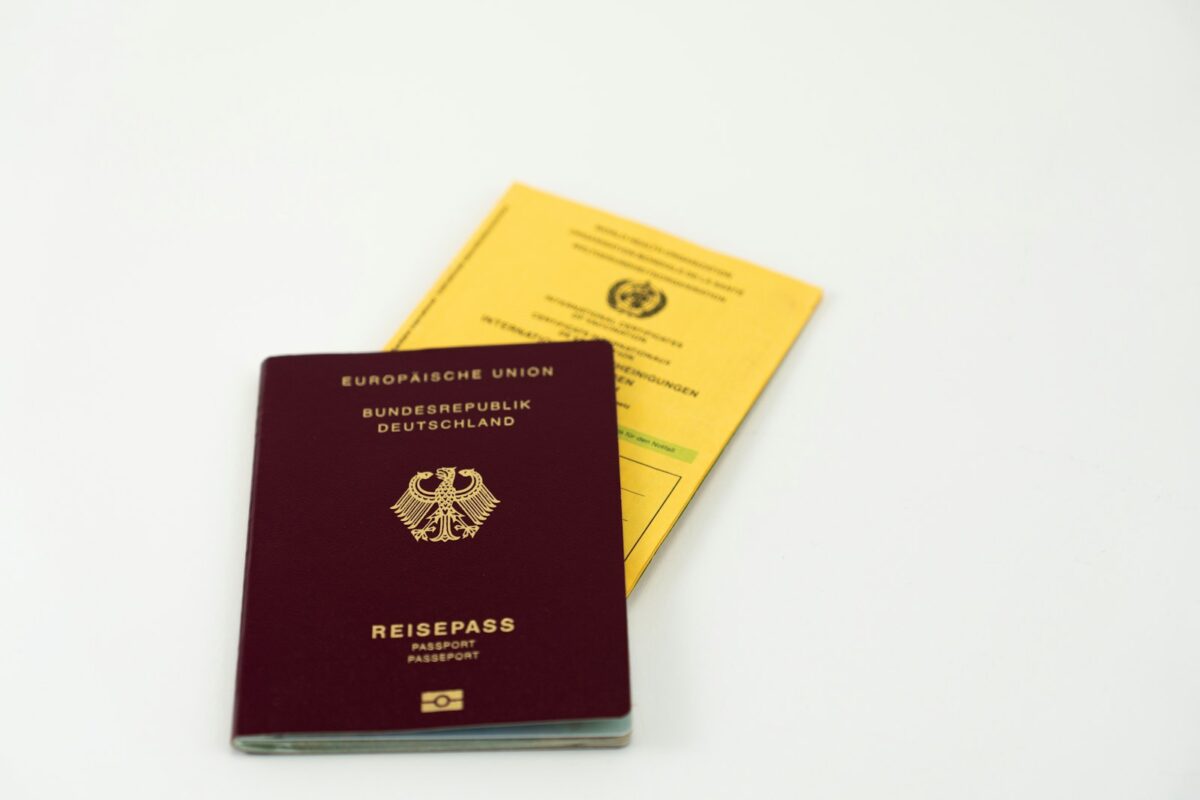
Luxembourg EU Blue Card rarely trends on African immigration forums — and that is exactly why it is worth a look. This tiny, trilingual, French-speaking country runs one of Europe’s most professional-friendly highly-skilled routes, and for doctors, engineers and IT specialists from Abidjan, Yaoundé, Dakar or Kinshasa, working in French while building a path to permanent residence is a serious advantage.
À retenir (résumé en français) : Le Luxembourg, pays francophone au cœur de l’Europe, propose une Carte bleue européenne pour les professionnels qualifiés hors UE. En 2026, le seuil salarial est d’environ 65 652 € brut par an, avec un diplôme universitaire ou cinq ans d’expérience spécialisée. Après douze mois, vous accédez librement au marché du travail luxembourgeois, et la carte est valable jusqu’à quatre ans. Pour un médecin ivoirien ou un ingénieur camerounais, c’est une porte d’entrée vers l’Europe — en français.
Inside this guide
- Why Luxembourg suits French-speaking applicants
- The salary bar and who clears it
- From Blue Card to staying for good
- Quick answers
Why the Luxembourg EU Blue Card fits francophone Africa
French is one of Luxembourg’s three official languages, so a Senegalese or Congolese professional can work, bank and settle without first mastering German or Dutch. The country hosts EU institutions, major banks and a growing tech sector, all hungry for qualified staff. For an Ivorian engineer, the cultural and linguistic landing is far softer than in Berlin or Amsterdam — and the EU Blue Card issued in Luxembourg carries mobility rights that can later open doors elsewhere in Europe.
The salary bar and who clears it
The headline number for 2026 is a gross salary of about €65,652 per year, with applicants needing a relevant higher-education degree or at least five years of specialised professional experience, on a contract of six months or more. That threshold filters for genuinely skilled roles — think Marie, a data engineer from Yaoundé recruited by a Luxembourg bank, or Koffi, a physician from Abidjan joining a clinic. Both clear the bar on qualifications and salary, and both gain something rare in Europe: a professional foothold conducted largely in French.
Wondering if your salary and diploma clear the Luxembourg bar? Run the numbers with the guide at https://linktr.ee/travelexpore.
From Blue Card to staying for good
The Luxembourg Blue Card is valid for up to four years, and after twelve months you gain free access to the national labour market instead of being tied to one employer. Time on the card counts toward long-term EU residence, and family reunification lets your spouse and children join. For francophone Africans weighing France, Belgium and Luxembourg, the Grand Duchy often offers shorter queues and a more employer-driven process.
Key takeaways
- Luxembourg is officially French-speaking, easing the move for francophone Africans.
- The 2026 EU Blue Card salary threshold is roughly €65,652 gross per year.
- You need a relevant degree or five years of specialised experience.
- Free labour-market access arrives after twelve months, with a path to long-term residence.
Quick answers
Can I work in French in Luxembourg? Yes. French is an official language used widely in administration, banking and daily life.
What salary do I need in 2026? About €65,652 gross per year for the EU Blue Card, alongside a qualifying degree or experience.
Am I tied to one employer? Only for the first twelve months; after that you gain free access to Luxembourg’s labour market.
Can my family come? Yes. Blue Card holders can sponsor family reunification for a spouse and children.
Related reads
- EU Blue Card 2026: lower salaries across Germany, Belgium and Luxembourg
- Belgium single permit: myths francophone Africans believe
Share this story
- LinkedIn: Luxembourg — French-speaking, EU-central, and quietly one of the best Blue Card routes for African professionals.
- Twitter/X: Francophone African professionals: Luxembourg’s Blue Card lets you work in French in the heart of Europe.
- Facebook: Médecins, ingénieurs, informaticiens — le Luxembourg recrute en français. Partagez avec un ami.
Make Europe speak your language
For skilled francophone Africans, Luxembourg turns “move to Europe” into “move to a French-speaking country with EU institutions on the doorstep.” Confirm your eligibility and gather your documents using the latest links at https://linktr.ee/travelexpore.