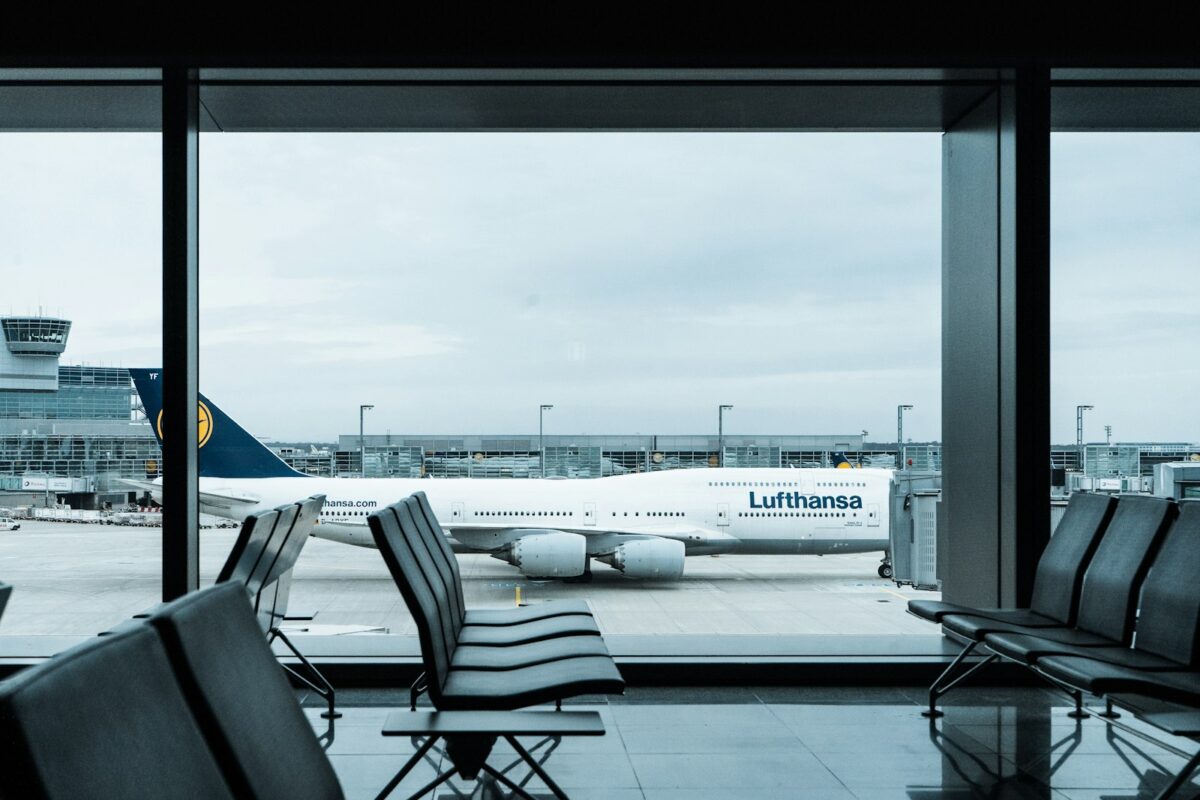
April 9, 2026 ended the old way of crossing into Europe. The EU EES biometric border system is now live, swapping passport stamps for fingerprints and a facial scan for every non-EU traveller entering the Schengen Area. Fly in for a holiday, a conference, or a job interview, and your first crossing now means a short enrolment at the kiosk. A second change, ETIAS, arrives later this year. Here is what actually changes for you.
By the Travel Explore editorial desk. Last updated June 30, 2026.
Quick map of this guide
- What the new border check involves
- Where the EU EES biometric border system applies
- ETIAS is the next step, not the same step
- Questions travellers keep asking
What the new border check involves
The Entry/Exit System records your face and fingerprints the first time you cross, then logs every entry and exit electronically. No more ink stamps. The system “goes live on 10 April 2026,” France’s foreign ministry confirmed, after a phased rollout that began in October 2025. Your data sits in a central file for three years. The upside is real. Returning trips should be faster once you are enrolled, because the kiosk already holds your record. The first crossing is the slow one. Plan for delays. Border staff can still wave you through manually during peak crush periods, but you cannot count on it.
Where the EU EES biometric border system applies
The EU EES biometric border system covers all 29 countries applying Schengen rules at their external borders, from Lisbon to Helsinki. It applies to short stays only, the familiar 90 days in any 180. Take Mateus, a Brazilian design consultant who hops between client offices in Berlin and Madrid. Brazil is visa-exempt for short Schengen visits, so he never needed a visa. He still needs to enrol his biometrics now, and the clock on his 90/180 allowance is tracked automatically, not estimated by a tired officer with a calculator. Overstays are harder to hide. The math is the same. The enforcement is sharper.
Mapping your own move or multi-country trip? We keep the running checklist here: https://linktr.ee/travelexpore
ETIAS is the next step, not the same step
People keep mixing up the two systems. EES is the border check you clear in person. ETIAS is a pre-travel authorisation you buy online before you leave home, expected in the last quarter of 2026, costing 20 euros and valid for multiple trips. Visa-exempt travellers from roughly 60 countries will need it. It is not a visa. It is a quick screening tied to your passport. The smart move is to treat them as a pair: enrol your biometrics at the border now, and watch for the ETIAS launch date so a 20-euro form does not derail a booked trip.
Before you fly
- Allow extra time at your first post-April crossing for biometric enrolment.
- The EES check is free; only ETIAS later carries the 20-euro fee.
- Your 90/180 short-stay count is now tracked automatically, so track it yourself too.
- EES and ETIAS are separate steps that arrive at different times in 2026.
Questions travellers keep asking
Is the EU EES biometric border system already running?
Yes. Full application started on 9 April 2026 across the Schengen external borders, after a phased introduction from October 2025.
Do I pay for EES?
No. Biometric enrolment at the border is free. The 20-euro charge belongs to ETIAS, the separate online authorisation due later in 2026.
Does EES change the 90-day rule?
No. The 90 days in any 180 limit stays. EES simply records your entries and exits so the count is automatic and exact.
Will I be enrolled every trip?
No. Your biometrics are stored for three years, so later crossings reuse the record and should move faster than the first.
Related reads
- ETIAS in 2026: the mistakes that catch travellers out
- Germany’s Opportunity Card: a softer route into Europe
Share this story
- LinkedIn: Europe’s borders went biometric on 9 April. Here is what business travellers must do differently.
- Twitter/X: No more passport stamps in Europe. EES is live, ETIAS is next. What it means for your next trip.
- Facebook: Planning a Europe trip in 2026? Two new border systems change how you cross. Read before you book.
Cross Europe’s new borders without the stress
Biometric borders reward travellers who prepare and punish those who wing it. Get the timing, the fees, and the 90/180 math right before you pack. Start with our living Europe travel toolkit: https://linktr.ee/travelexpore
Sources
- France Ministry for Europe and Foreign Affairs, EES go-live notice (T0): https://www.diplomatie.gouv.fr/en/services-to-foreigners/visiting-france/ees-the-new-european-border-entryexit-system-goes-live-on-10-april-2026
- European Commission, Migration and Home Affairs, Entry/Exit System (T0): https://home-affairs.ec.europa.eu/policies/schengen/smart-borders/entry-exit-system_en
- UK Government, EU Entry/Exit System guidance (T0): https://www.gov.uk/guidance/eu-entryexit-system
Trading involves risk. Only trade what you can afford to lose.