Category Archives: International passport

ETIAS 2026 Launches Q4: What Visa-Exempt African Travellers Must Know Before Booking

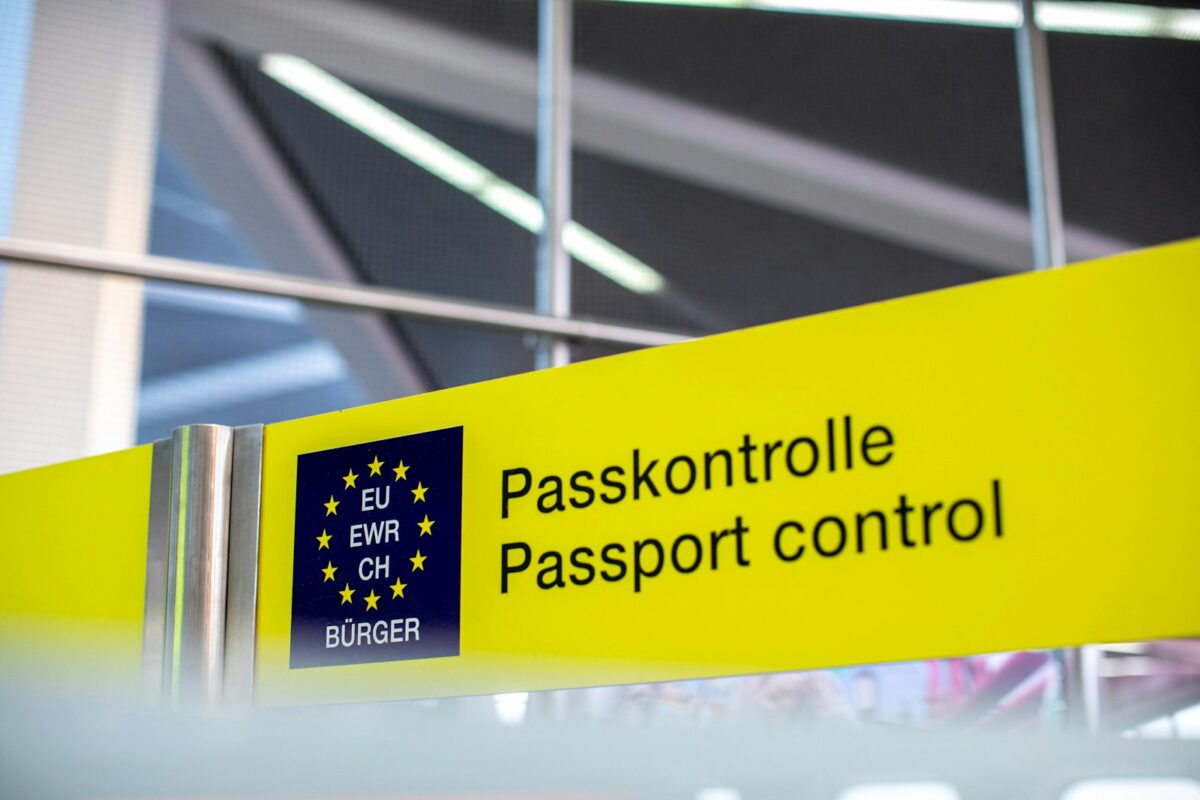
ETIAS 2026 — the European Travel Information and Authorisation System — goes live across the Schengen area in Q4 of this year. It is not a visa; it is a pre-travel screening check for citizens of visa-exempt countries entering the 30 Schengen states for short stays. For African travellers, the rule splits the continent neatly: passport holders from countries already visa-exempt for Europe (Kenya, Mauritius, Seychelles, and a small handful of others) will need ETIAS, while passport holders from countries that already require a Schengen visa (Nigeria, Ghana, Cameroon, Egypt, South Africa and most of the continent) keep filing for a Schengen visa as before.

This brief separates the noise from the practical detail. If you are flying into Paris, Amsterdam, Frankfurt or Madrid on a Kenyan passport for a business trip in November 2026, ETIAS is the new thing on your checklist. If you are flying on a Nigerian or South African passport, the Schengen visa process is unchanged.

What ETIAS is — and is not

ETIAS is a digital authorisation linked to your passport. You apply online, pay a small fee, answer a set of security and immigration-history questions, and receive a decision within minutes in most cases (up to 30 days in complex cases). Once approved, the authorisation is valid for three years or until the passport expires, whichever comes first. It allows multiple short stays of up to 90 days in any 180-day rolling period across the Schengen area.

What ETIAS is not: it is not a visa. It does not guarantee entry — the final entry decision rests with the border officer at the Schengen external border, exactly as it does today. It does not extend the 90/180 short-stay rule. And it does not replace residence permits, study visas or work permits, which continue under their existing rules.

Which African passports need ETIAS

ETIAS applies only to nationals of countries on the EU visa-exempt list. From Africa, that means primarily Kenya, Mauritius, Seychelles, and a few others — check the official ETIAS portal for the complete list at launch. Passports from countries that require a Schengen visa today (Nigeria, Ghana, Cameroon, Côte d’Ivoire, Senegal, Egypt, South Africa, Tanzania, Uganda, Zimbabwe and most of the continent) continue under the Schengen visa process. For those passport holders, ETIAS has no effect — you keep applying for a Schengen short-stay visa at the consulate of your main destination.

A common confusion: South African passport holders sometimes assume ETIAS will replace the Schengen visa for them. It will not. South Africa is not on the visa-exempt list and is therefore not eligible to use ETIAS at all. The full visa-exempt list is published on the EU Travel-Europe ETIAS FAQ.

ETIAS 2026 fees, timing and validity

  • Fee — EUR 20 per applicant (free for under-18s and over-70s).
  • Validity — three years from issue, or passport expiry if sooner.
  • Coverage — all 30 Schengen states (no separate authorisation needed per country).
  • Stay length — 90 days in any rolling 180 days, unchanged.
  • Decision time — minutes for most clean applications, up to 30 days for cases that need manual review.
  • Transitional period — six months after launch during which the requirement is advisory; after that, ETIAS becomes mandatory.

For a Kenyan business traveller making three trips a year to European clients, EUR 20 once every three years is a marginal cost compared to the time saved at the border under the linked Entry/Exit System.

Not sure which route fits your case? Talk to Travel Explore — https://linktr.ee/travelexpore

How to apply once it goes live

The application takes around 10 minutes. You will need your passport (machine-readable), an active email address, and a payment card. The form asks for biographic details, travel history (countries visited in the last decade), employment information, and a small set of security-screening questions (criminal history, prior immigration refusals, war-zone travel). Most clean applications return an approval within minutes. Manual review can take up to 30 days, and in rare cases an interview at a consulate is requested.

Apply at least 96 hours before travel as a buffer. Apply only via the official Travel Europe ETIAS portal — third-party sites charging higher fees are not authorised and offer no advantage. The authorisation is digitally linked to your passport number; there is no sticker or document to carry.

What it changes on the ground

For travellers in the visa-exempt category, ETIAS adds a five-minute online step weeks before travel and removes most of the friction at the border. The Entry/Exit System (EES), launched in late 2025, has already replaced passport stamps with biometric self-service kiosks at most major Schengen airports. Together, EES and ETIAS turn the Schengen border into a near-automated process for visa-exempt travellers.

For travellers needing a Schengen visa, the process is unchanged in 2026 — consulate appointment, biometrics, document bundle, fee. We cover the country-by-country Schengen visa process in our EU travel guides.

Frequently asked questions about ETIAS 2026

Does ETIAS 2026 replace the Schengen visa for Nigerians and South Africans?

No. ETIAS applies only to visa-exempt nationals. Nigerian, South African, Ghanaian, Egyptian and most other African passport holders continue under the Schengen visa process unchanged.

How much does ETIAS 2026 cost?

EUR 20 per applicant. Applicants under 18 and over 70 are exempt from the fee.

How long is ETIAS valid?

Three years from approval, or until the passport expires, whichever comes first.

Can I work or study on ETIAS?

No. ETIAS authorises short visits only — tourism, business meetings, family visits. Work, study and long-stay activities require the relevant national visa.

What is the difference between ETIAS and EES?

EES is the Entry/Exit System — the biometric border check that replaced passport stamps. ETIAS is the pre-travel authorisation. The two systems work together but are separate.

What happens if my ETIAS is refused?

You will receive a written explanation and can either appeal or apply for a standard Schengen visa, which the consulate will assess under the usual rules.

The short version

  • ETIAS 2026 launches in Q4 across the Schengen area, with a six-month transitional period after launch.
  • It is a pre-travel authorisation for visa-exempt nationals — not a visa, and not a replacement for the Schengen visa process.
  • African nationals who need a Schengen visa today (Nigeria, Ghana, Cameroon, Egypt, South Africa and others) continue under the existing visa process; ETIAS does not apply to them.
  • Kenyan, Mauritian, Seychellois and other visa-exempt African travellers will need ETIAS, valid three years for EUR 20.
  • Apply only via the official Travel Europe ETIAS portal, at least 96 hours before travel.

Plan your ETIAS travel right

Want fewer surprises at the visa interview? Practice with Travel Explore — https://linktr.ee/travelexpore

Related reads on Travel Explore

Share this story

  • ETIAS is coming in Q4. Here is who actually needs it.
  • EUR 20, three years, 30 countries: the new Schengen pre-screen for visa-exempt travellers.
  • Kenyan passport? You need ETIAS. South African passport? You still need a Schengen visa.
UK ETA 2026: Why Most Nigerian Travellers Still Need a Visitor Visa, Not the £20 ETA

The UK ETA 2026 is now fully live, and most Africans on social media are confused. The Electronic Travel Authorisation became compulsory for 85 visa-exempt nationalities on 25 February 2026, and the fee was hiked from £16 to £20 on 8 April 2026. But here is the catch Nigerian, Kenyan, Ghanaian and most African passport holders need to hear: you almost certainly do not need an ETA — you still need a Standard Visitor Visa, which itself jumped to £135 in April 2026.

What changed in the UK ETA 2026 framework?

The UK ETA 2026 rollout had three milestones. ETA was made mandatory for citizens of the Gulf states first in November 2024, then expanded to a further wave of European and visa-exempt nationals in spring 2025, and finally completed full enforcement on 25 February 2026. According to the Home Office Electronic Travel Authorisation factsheet, the ETA costs £20 since 8 April 2026, lasts two years, and permits multiple entries of up to six months each.

Crucially, the ETA is only for nationals of countries that previously enjoyed visa-free entry. Nigeria, Ghana, Kenya, Senegal, Cameroon, Uganda and most of Sub-Saharan Africa were never on that list. Africans from those passports therefore continue to apply for a Standard Visitor Visa — which costs £135 for a six-month single-entry visa as of 8 April 2026, per gov.uk Standard Visitor guidance.

Who is affected by the UK ETA 2026 — and who is not?

You DO need a UK ETA in 2026 if you hold a passport from a visa-exempt country. The list includes the United States, Canada, Australia, New Zealand, Japan, South Korea, Singapore, the Gulf states, the European Union and most South American nations. Some Africans hold these passports through dual nationality — for example, a Nigerian-American or Ghanaian-Canadian dual citizen would travel on the visa-exempt passport and apply for an ETA.

You do NOT need an ETA if you hold a Nigerian, Kenyan, South African, Ghanaian, Tanzanian, Rwandan, Cameroonian, Senegalese or Ivorian passport (and most other African passports). You need a Standard Visitor Visa instead. South Africa is currently the only major African country that was visa-exempt for the UK, but South Africans now also need an ETA — the visa-free shortcut effectively ended in February 2026.

Key requirements for African travellers

If you are flying to the UK on holiday, for a business meeting, to attend a conference, or to visit family, here is your 2026 checklist. Match the document to your passport, not to your destination, because that is where most rejections come from.

  • Standard Visitor Visa — required for Nigerian, Kenyan, Ghanaian and most African passport holders. Apply online at gov.uk, pay £135, attend a biometrics appointment in your country, wait three weeks.
  • UK ETA — required only for visa-exempt nationals (US, Canada, EU, Gulf, etc.). Apply via the UK ETA app or website, pay £20, get a decision usually within 72 hours.
  • Transit through the UK — Nigerians transiting Heathrow without leaving the airport may need a Direct Airside Transit Visa (DATV). Confirm with the airline before booking.
  • Studying or working — neither the ETA nor the Standard Visitor Visa permits work or long-term study. Use the UK Student Visa or UK Skilled Worker Visa instead.
  • Dual citizens — travel on whichever passport gives you the simpler entry path. A Nigerian-American on a US passport just needs a £20 ETA.

Confused about ETA vs Visitor Visa for your passport?

Travel Expore checks your passport against the latest UK Border Force requirements, picks the right route, and walks you through the full application — visa, ETA, biometrics. Get your free check at https://linktr.ee/travelexpore.

Why the UK ETA 2026 matters for Nigerians and Africans

The confusion is costing Africans real money. Hundreds of Nigerian travellers tried to apply for the cheaper £20 ETA in early 2026 thinking it had replaced the visitor visa, only to be rejected and told to start again with a Standard Visitor Visa — this time without a refund of the ETA fee. Some lost their flight bookings. The right answer for almost every Sub-Saharan African is the visitor visa route, with a properly assembled bank-statement and travel-history pack.

The second consequence is for British employers and universities welcoming African delegates. A Nigerian conference speaker invited to the UK still needs a Standard Visitor Visa, which means three weeks of processing. Plan your invitation letters and trips at least 5 weeks ahead, not the 72 hours an ETA needs. The Schengen visa update shows similar delays affect EU travel for Africans, so build buffer into every itinerary.

Frequently asked questions about the UK ETA 2026

Do Nigerians need a UK ETA in 2026?

No. Nigerian passport holders need a Standard Visitor Visa, not an ETA. The UK ETA 2026 is only for nationals of visa-exempt countries (US, Canada, EU, Gulf states, etc.). Nigerian travellers should apply for a Standard Visitor Visa at £135 for a six-month single-entry stay.

How much does the UK ETA cost in 2026?

The UK ETA fee rose from £16 to £20 on 8 April 2026. Once granted, the ETA is valid for two years and allows multiple visits of up to six months each. The Standard Visitor Visa for Africans costs £135 for a single six-month visit.

Can a Nigerian-American dual citizen use the UK ETA?

Yes. If you travel to the UK on your American passport (or Canadian, Australian, EU, etc.), you apply for the UK ETA at £20 and skip the visitor visa altogether. The Border Force only checks the passport you actually use to enter the UK.

How long does a UK ETA decision take?

The Home Office aims to decide most ETA applications within three working days, and many decisions arrive within 24 hours. A Standard Visitor Visa for Africans typically takes about three weeks once biometrics are submitted.

Does the UK ETA allow me to work or study?

No. Neither the UK ETA nor the Standard Visitor Visa permits paid work, long-term study, or settlement. For work you need the Skilled Worker, Health and Care Worker or Global Talent visa; for study longer than six months you need the Student visa.

What happens if I show up at Heathrow with no ETA or visitor visa?

You will be refused boarding before take-off. Airlines are fined for carrying passengers without the right authorisation, so check-in agents at Lagos, Nairobi or Accra will not let you board. Always confirm your document type before leaving for the airport.

Key takeaways

  • The UK ETA 2026 became fully mandatory on 25 February 2026 and the fee rose to £20 on 8 April 2026.
  • Nigerian, Kenyan, Ghanaian and most African passport holders still need a Standard Visitor Visa, not an ETA.
  • South Africans now need an ETA — the only major Sub-Saharan African nationality affected by the change.
  • Dual citizens should travel on the passport that gives the simpler entry: ETA at £20 vs visitor visa at £135.
  • Always confirm your document type with the airline before boarding — the wrong paperwork means refused boarding, not a refund.

Get expert help with your UK ETA 2026 or Visitor Visa application

Travel Expore confirms the right route for your passport, prepares supporting documents, and walks you through the application — from biometrics to consulate appointments. Talk to a consultant at https://linktr.ee/travelexpore.

Related reads on Travel Expore

Share this story

  • Stop applying for the wrong UK paperwork: why most Nigerians still need a visitor visa, not an ETA
  • The hidden trap of the UK ETA 2026 — and how it’s costing African travellers their flights
  • UK ETA vs Visitor Visa in 2026: a quick decoder for every African passport holder

Schengen Visa 2026: Why Some African Applicants Now Pay Up to €180 (and What Nigerians Should Do)

The Schengen Area — 29 European countries that share a single border policy — just made it more expensive and more complicated for some African travellers to enter. The 2026 update introduced a punitive fee structure that targets countries the EU classifies as not cooperating sufficiently on readmission. The result: some African applicants now pay up to €180 for the same visa.

Here is a clear breakdown of the Schengen visa fees Africa 2026 reality, who is affected, where Nigeria sits in the new framework, and how to prepare a Schengen application that survives the tightening.

What Changed in 2026?

The standard Schengen short-stay visa fee remains:

  • €90 for adults
  • €45 for children aged 6–12
  • €35 for nationals of countries with an EU visa facilitation agreement

The new wrinkle is a punitive fee structure applied to countries the EU has formally flagged as not cooperating enough on readmission of irregular migrants. Under that framework, applicants from listed countries face fees of €135 (a 50% surcharge) or €180 (a 100% surcharge), plus extended processing times of up to 60 days.

Which African Countries Are Affected?

The countries most directly impacted by punitive Schengen visa pricing in 2026 include:

  • The Gambia — high refusal rates and visa restrictions linked to readmission disputes.
  • Senegal — with a refusal rate above 41% according to Henley analysis.
  • Ghana — with refusal rates above 47%.
  • Mali — with refusal rates over 40%.
  • Ethiopia — with refusal rates around 35%.

Nigeria is not on the punitive list at the time of writing, which means Nigerian applicants still pay the standard €90 short-stay fee. But Nigerian travellers are still affected by parallel changes: longer processing windows at some VFS centres, more biometric checks, and the gradual rollout of the EU’s digital Schengen visa platform.

What Else Is New in the Schengen Process

  • Digital Schengen Visa Application Platform: the EU is rolling out a centralised digital platform that will eventually replace most paper-based applications. Several Schengen states have already started piloting it.
  • Longer processing times: standard processing remains 15 calendar days, but the EU now allows up to 45 days in justified cases and 60 days for applicants from punitive-fee countries.
  • Higher biometric scrutiny: ETIAS pre-travel authorisation for visa-exempt travellers and reinforced VIS biometric data sharing means a single past refusal in any Schengen state will follow you everywhere.

Who Is Affected and How

If you are a Nigerian travelling for tourism, business, or education to a Schengen country in 2026, you are still in the standard fee bracket but facing tighter scrutiny. If you are an African applicant from a punitive-fee country, expect the higher fee, longer processing time, and more documentation requests.

Visa rejection rates across Africa rose sharply over the last decade — from 18.6% in 2015 to 26.6% in 2024 — and the 2026 changes are expected to push them higher. Strong applications now matter more than ever.

How Nigerians Can Strengthen a 2026 Schengen Application

  • Apply at the correct embassy: the embassy of the country you will spend the most time in, or your first point of entry if visiting multiple Schengen states equally.
  • Prove strong ties to Nigeria: employment letter, salary slips, property documents, family ties, ongoing business activity.
  • Show clean financials: 6 months of bank statements showing consistent inflow, with closing balances aligned to your trip cost.
  • Provide a credible itinerary: day-by-day plan, return flights (preferably refundable), and confirmed accommodation.
  • Carry comprehensive Schengen-compliant travel insurance with at least €30,000 medical coverage.
  • Apply early: at least 4–6 weeks before travel for tourism, longer for business or study trips.

Why This Matters for Nigerians and Africans

The Schengen visa is the gateway to study, work, and family travel across the EU. The 2026 fee structure is the EU’s way of using visa policy as diplomatic leverage — and the cost is being pushed onto African applicants. Even if Nigeria is not on the punitive list today, the framework now exists and can be expanded at any time.

For Nigerian families, the smart play is twofold: keep your Schengen records clean (no refusals, no overstays), and start considering long-stay national visas (study, work, family reunification) and citizenship-track residencies in countries like Ireland, Germany, the Netherlands, and Portugal as a more durable plan than repeat short-stay visas.

Key Takeaways

  • Standard Schengen short-stay fee remains €90 for adults; €45 for children 6–12.
  • Punitive fees of €135 or €180 apply to applicants from listed African countries (Gambia, Senegal, Ghana, Mali, Ethiopia).
  • Nigeria pays the standard fee in 2026 but faces tighter documentation and longer processing.
  • The EU is rolling out a digital Schengen visa platform; ETIAS and VIS will share biometric data more aggressively.
  • Strong applications — ties, financials, insurance, clean record — matter more than ever.

Need Help With Your Schengen Application?

Travel Explore reviews Schengen documentation, prepares Nigerian applicants for embassy interviews, and helps build pathways from short-stay visas to long-term EU residence.

👉 Connect with us: https://linktr.ee/travelexpore

Share This Story

  • The EU Just Made Schengen Visas More Expensive for Some Africans — Here Is Where Nigeria Stands
  • €180 to Visit Europe? The 2026 Schengen Fee Story No One Is Telling You
  • Why a Schengen Refusal in 2026 Will Haunt You Across All 29 Countries

5 Things to note before visiting Kenya

Kenya is a developing East African country known for its wildlife and national parks. The capital city is Nairobi. The second largest city is Mombasa, It’s a wonderful place for tourists, and individuals, looking to get in touch with the ancient African cultures. Here are some tips on how to make your trip to Kenya interesting, safe, and an all round success.

  • Try some street food
kenyan-food

Trying new foods is half the fun of traveling, and Kenya’s cuisine won’t disappoint you. Traveler favorites include nyama choma, or roasted meat, and matoke, which is plantain stew. Goat and beef is often used for nyama choma and matoke is made with a delectable mix of onions, garlic, chilies, and lemon juice. These dishes and others are served non-stop at the Kenyatta market in Nairobi.

  • Go to Kenyan Safari
Kenyan-safari-image

As the birthplace of the African Safari, Kenya is the perfect place to see wildlife in their natural habitat. Africa’s famed wildebeest migration takes place at Maasai Mara, the continent’s most popular nature reserve. Other parks in Kenya are perfect for seeing elephants, flamingos and other kinds of unique and rare wildlife.

  • Kenyans are friendly
Kenyan-friendly-image

Kenyans are known for being friendly and open. The majority of the population–98 percent–are native to Kenya; Asians, Europeans and Arabs make up less than one percent of the population. Nearly three-quarters of working Kenyans are in the agriculture industry, and some Kenyans in rural areas live nomadic lifestyles.

Traveling to Kenya is an experience you’ll never forget! Are you ready to start planning your Kenya adventure?

  • Bring US Dollars with you
US-Dollar-image

Although Kenya’s official currency is the Kenyan shilling, it’s best to bring some US dollars along since prices are sometimes quoted in USD. Bargaining is a common practice in Nairobi and other Kenyan cities. As a traveler, you’ll often be invited to see what local vendors have for sale in markets and street stalls.

  • Consider carrying your Passport
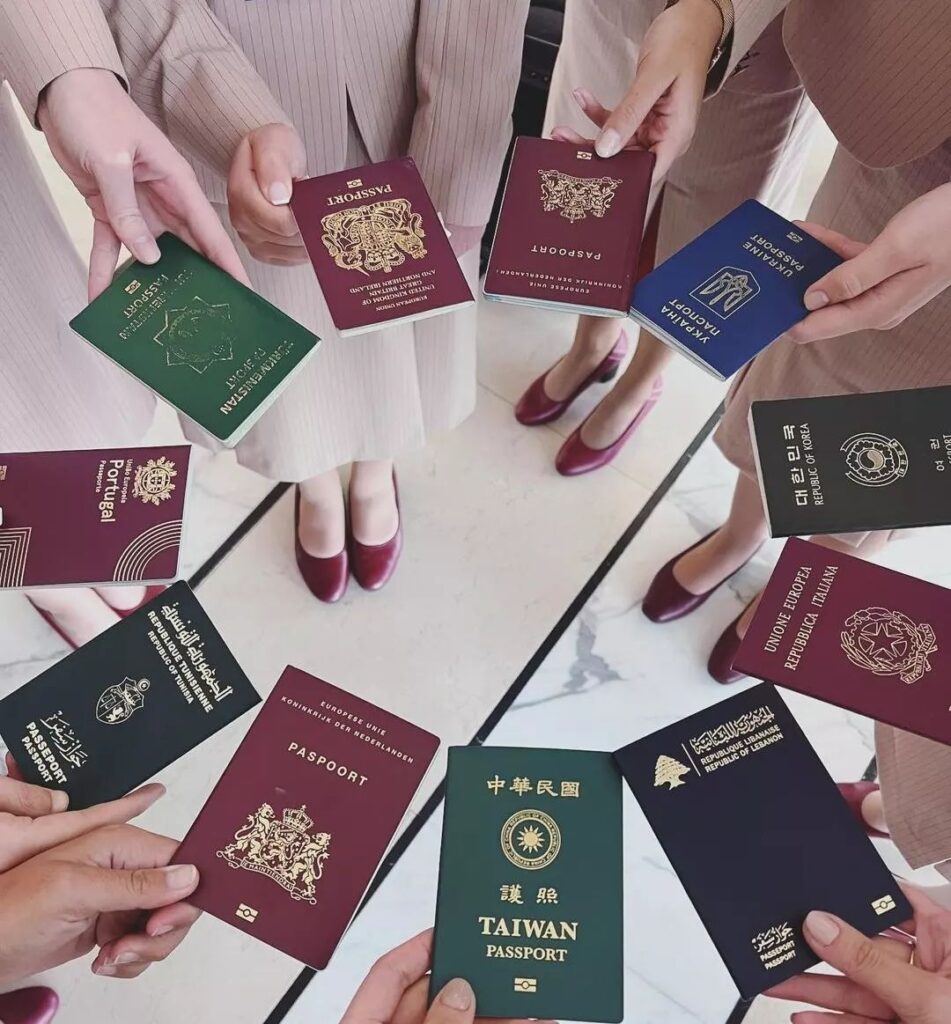
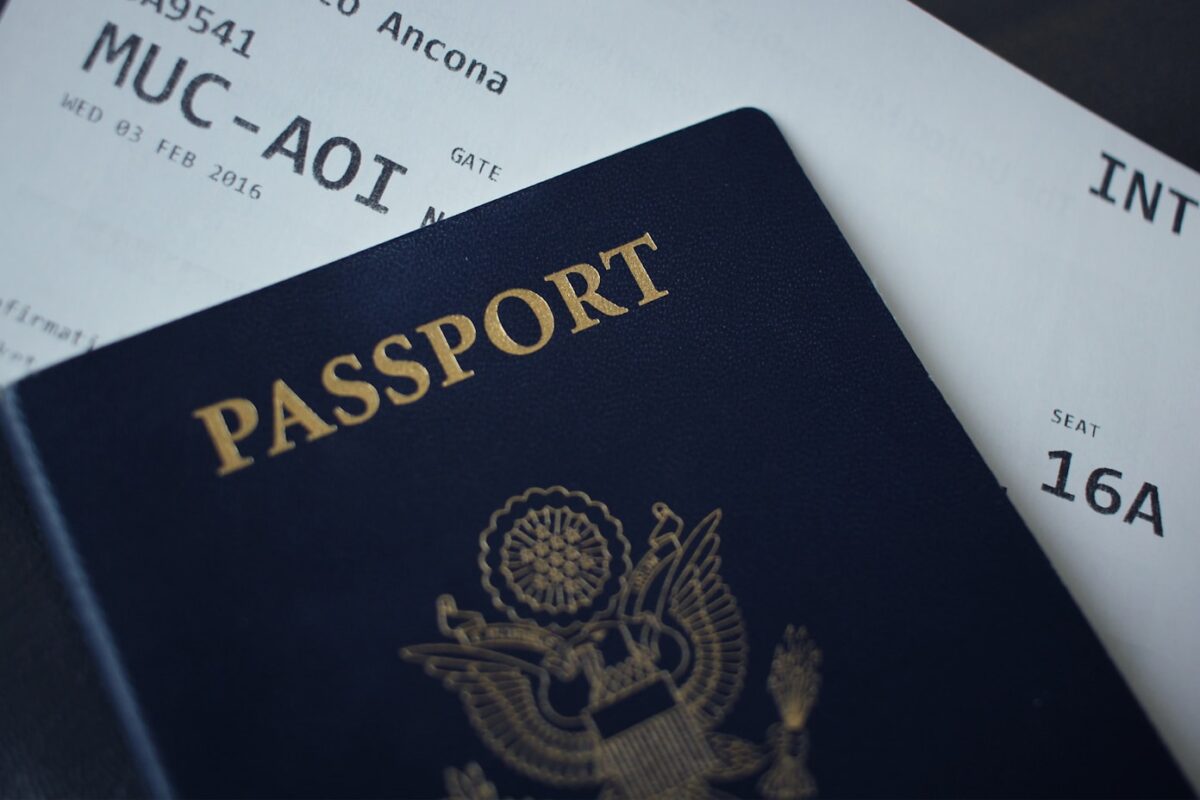
international-passports

Some sources say it’s best to carry your passport (or a copy of it) on you during your stay in Kenya. If you are stopped by authorities for any reason, they may ask to see identification, and as a traveler you’ll need to present your passport. Be sure to secure all valuables while out in public, including your passport.

Why you need an international passport

An International passport is one of the best forms of ID one should have. Even if it sounds a lot more official, getting a passport is not too different from the university or financial aid application process—except that there’s no essay required, less decision-making involved, and fewer chances of getting a rejection letter.

Every country has specific requirements, but in general it’s as simple as:

  • Filling out a passport application
  • Submitting the required payment
  • Getting (flattering) passport-approved photos
  • Proving your identity with some ID photocopies
  • Dropping off the signed bundle at an approved passport facility near you (or via mail, depending)

Regardless of if your passport is red or blue, if northern lights appear under UV light (Norway), or an animated moose hops through the pages as you flip them (Finland), the benefits of getting a passport are many. Here’s a brief list of some of our favorite perks:

  • It’s a formal government-issued ID

Not only is a passport a legal proof of ID, but it’s recognized across the globe as such. Sure, it’s handy to have a passport as back-up when entering bars if your driver’s license has been lost, but it’s even more useful to get you out of trouble with the police abroad in Peru or to apply for a monthly metro card in Poland.

School ID’s or DL’s don’t get you very far abroad, but passports are universally respected. Plus, a passport is now required for some domestic flights as well! (And remember that Canada or Mexico are still foreign countries.)

  • It’s your ticket to the world

Some passports give you more freedom than others, but for Americans, Europeans, and Aussies, a passport opens the door to a majority of the world. That’s around 170 countries to visit, enjoy, get lost in, learn from, and go back to. In other words, 170 additional reasons to have a passport.

Airplane-image
  • Peace of mind

Surprise birthday trip? Wedding invitation? Funeral? Work relocation? Spring semester abroad? Caribbean cruise raffle winner? There are endless reasons to hop on a plane, many of them last-minute and unexpected. Having a passport in your bedside drawer means that you are ready for any adventure, anywhere, anytime.

Remember to renew when needed (at least six months before expiration).

  •  Improved legal safety around child laws

On another, more serious note, obtaining passports for children minimizes the risk of losing them in child custody battles or kidnappings from ex-partners. Furthermore, if you are interested in adopting a child abroad, you will need a passport to go visit, apply, and bring them back home safely. Plus, the application for a children’s passport is a lot easier, and it’s better to apply for it sooner rather than later!

  • Easy proof of citizenship

Whether at home or abroad, a passport proves that you have the right to be in your home country (or temporary access to another country). Pretty straight-forward reason to own a passport, but definitely worth mentioning and very important!

As cool as airports are becoming, no one wants to recreate The Terminal…

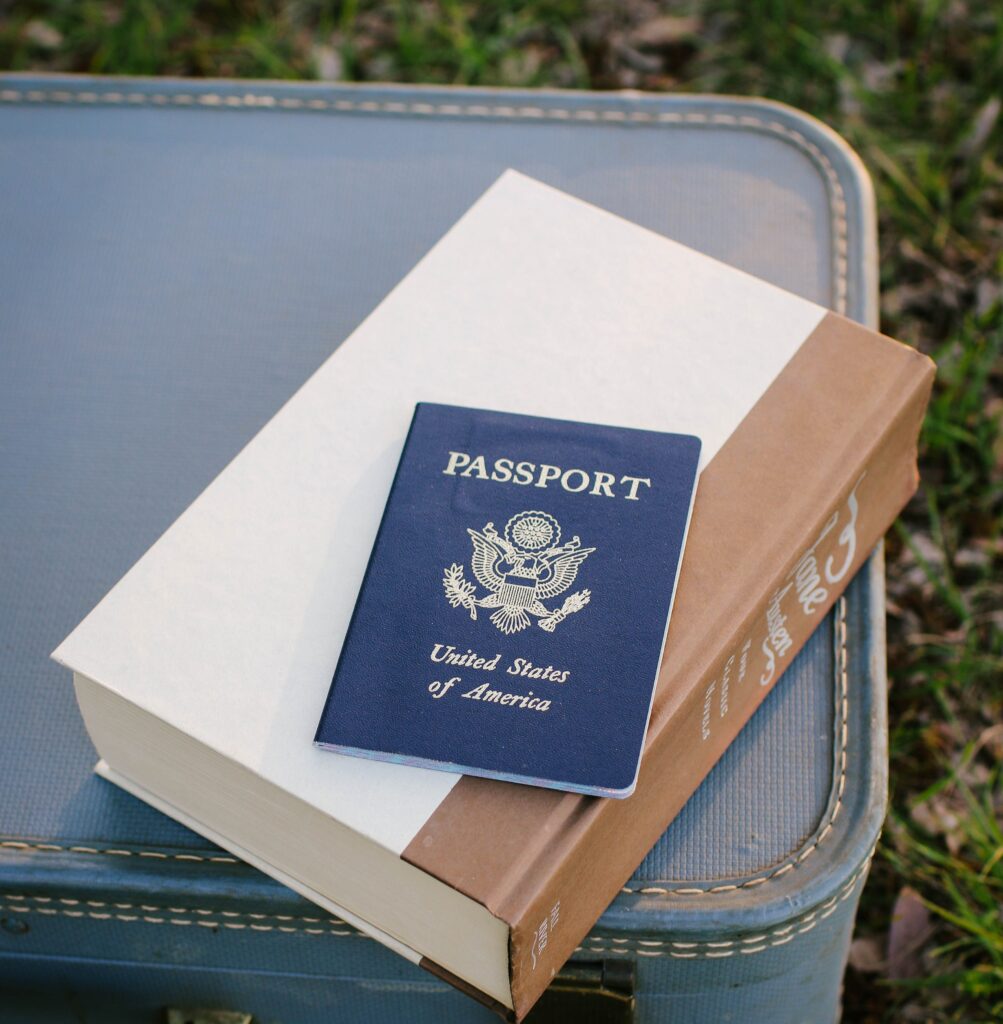
US-passport-image
  • More work opportunities

Whether you want to earn some extra pocket money with a fast’n furious seasonal job abroad or you got a promotion that requires international travel, a passport lets you seize many more professional business opportunities.