

Tag Archives: Germany EU Blue Card 2026

Germany Will Hire You From Abroad If Your Pay Clears This Bar

A job offer lands in your inbox. It is from Munich. Before you celebrate, one number decides everything: your salary. The Germany EU Blue Card 2026 is the fast track for university-educated professionals, and it turns on hitting a pay threshold that rose again in January. Clear it and you unlock one of Europe’s smoothest routes to permanent residence, family reunion and eventual citizenship. Miss it and the offer may never become a visa. Here is how the card works this year, and how to qualify.

By the Travel Explore editorial desk. Last updated 1 July 2026.

The salary numbers that decide it

Everything starts with pay. For 2026 the standard Germany EU Blue Card salary threshold is about EUR 50,700 a year, after a 5% rise on 1 January. Shortage occupations, which include many IT, engineering, science, maths and health roles, sit lower at roughly EUR 45,934. That reduced bar exists to pull in the skills Germany is short of. Your gross annual salary in the offer must meet the relevant figure, so check it before you sign. Applicants also show modest proof of funds, around EUR 1,091 a month, to cover early living costs. The thresholds move each year with pension-insurance ceilings, so a number that worked last year may not clear this year. One line on your contract can make or break the case. Read it first.

Who the card is built for

The Blue Card targets “highly qualified professionals from non-EU countries” who hold a university degree and a matching job offer in Germany. Your qualification usually must be recognised, or comparable to a German degree, which you can check through official databases before applying. Picture a Karachi IT specialist holding a Munich job offer at EUR 48,000. That salary clears the shortage-occupation threshold, so the card is within reach even though it sits below the standard bar. IT is where Germany bends most, sometimes accepting strong experience in place of a formal degree. The card is tied to your qualified role, not to one employer forever, and switching jobs gets easier the longer you hold it. Family members can join you, and spouses can work without a separate permit. For degree-holding professionals with a real offer, few European routes run this direct.

How fast it leads to staying

The payoff is speed to permanence. Blue Card holders can apply for a permanent settlement permit after 27 months, or after just 21 months with German at B1 level. That is faster than most work routes across Europe. Time on the card also counts toward citizenship, though the government has set the general bar at eight years after reversing a shorter fast-track. Holders also gain easier mobility to other EU states after a qualifying period. Learn some German early, even if your job runs in English, because it shortens the wait and widens daily life. Keep your salary at or above the threshold at each renewal. Do that, and a single job offer can become a German passport within a decade.

Chasing a German offer this year? Get your qualification check moving at https://linktr.ee/travelexpore.

Before you sign the contract

  • The standard 2026 threshold is about EUR 50,700 a year.
  • Shortage jobs qualify near EUR 45,934, including much of IT.
  • Settlement comes in 21 to 27 months.
  • Family can join, and spouses can work.

Blue Card questions

What salary do I need for the Germany EU Blue Card 2026?
About EUR 50,700 for standard roles, or roughly EUR 45,934 for shortage occupations such as IT and engineering.

Do I need to speak German?
Not to get the card, but B1 German cuts the wait for settlement from 27 to 21 months.

Can my family come with me?
Yes. Spouses and children can join, and spouses can work without a separate permit.

How soon can I get permanent residence?
In as little as 21 months with B1 German, or 27 months otherwise.

Related reads

Share this story

  • LinkedIn: Germany’s Blue Card can turn one job offer into residency in under two years. The 2026 numbers inside.
  • Twitter: Germany EU Blue Card 2026: hit the salary bar and settlement can come in 21 months.
  • Facebook: Got a job offer in Germany? The Blue Card salary rules just changed for 2026.

Turn that offer into a future in Germany

The Blue Card rewards a recognised degree and the right salary line, so confirm both before you accept any German contract this year. Start your recognition and salary check at https://linktr.ee/travelexpore.

Sources

  • EU Blue Card in Germany, European Commission (T0 official): https://home-affairs.ec.europa.eu/policies/migration-and-asylum/eu-immigration-portal/eu-blue-card/eu-blue-card-germany_en
  • Make it in Germany, Federal Government portal (T0): https://www.make-it-in-germany.com/en/


Tapay copy tradingGrow your money while you plan your moveTapay auto-copies a live trading strategy to your own account — spot & futures. Start free on demo, go live when you’re ready.Start free →

Trading involves risk. Only trade what you can afford to lose.
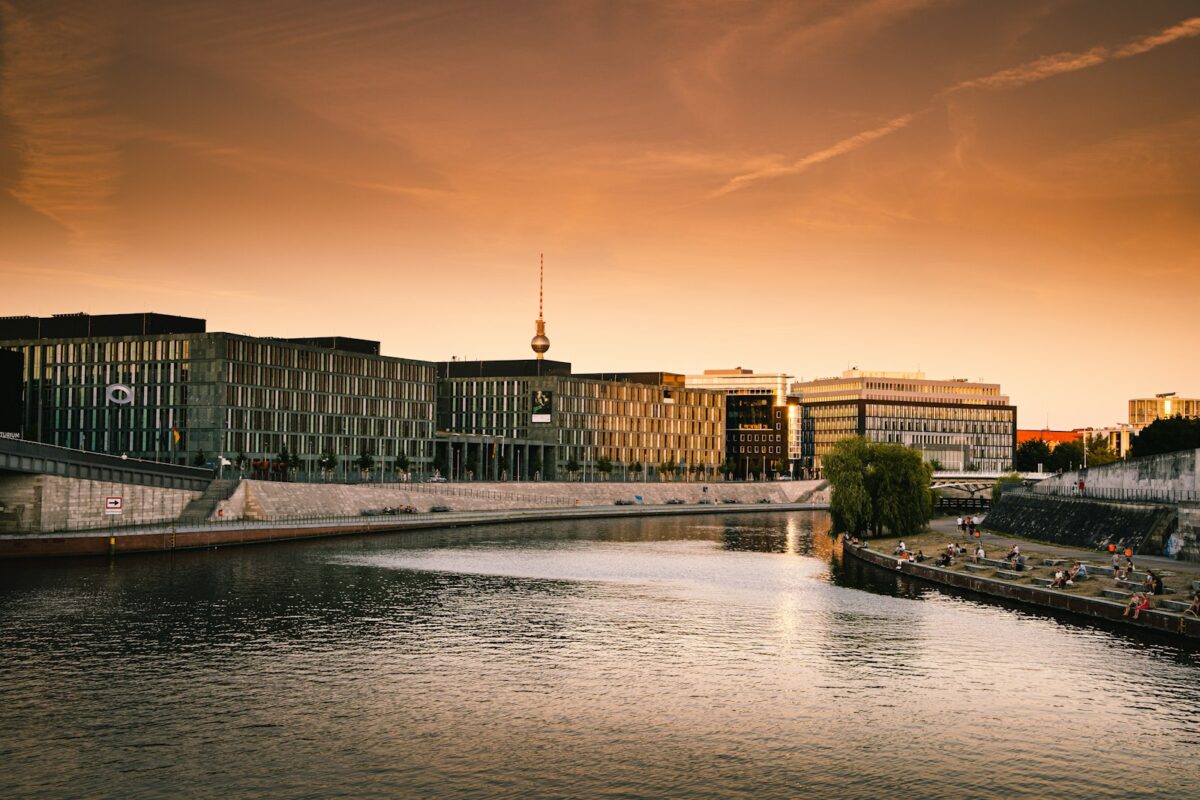
Germany EU Blue Card 2026: €50,700 Threshold, €45,934 Shortage Path and the African Talent Lane

The Germany EU Blue Card 2026 is the cleanest fast-track to permanent residence in the European Union for African skilled workers with a recognised university qualification and a German job offer. The standard salary threshold rose to €50,700 on 1 January 2026, while the shortage-occupation and STEM threshold sits at €45,934.20 — both indexed to 50% (or 45.3%) of the German pension-insurance ceiling. Software engineers from Lagos, electrical engineers from Nairobi, doctors from Accra, IT professionals from Cape Town and academic researchers from Cairo are among the strongest African profiles entering Germany via this route in 2026. Approval times in major cities (Berlin, Munich, Hamburg, Frankfurt) average 4-8 weeks at consulates, and the 21-month path to PR — if you reach B1 German — is unmatched in the EU.

What changed in the Germany EU Blue Card 2026?

Three notable shifts. First, both thresholds increased by roughly 5% — the standard climbed from €48,300 (2025) to €50,700, the shortage path from €43,759.80 to €45,934.20. Second, the shortage occupation list now formally includes more healthcare adjacent roles (registered nurses, midwives, several therapy specialisms), broadening which African clinicians can target the lower threshold. Third, recent university graduates (graduated within three years) and self-taught IT specialists with three years of verifiable practice can apply at the lower shortage threshold even outside listed occupations — a meaningful loosening for early-career African tech talent.

The official Make It In Germany EU Blue Card page remains the canonical reference. Always cross-check thresholds and shortage lists there before signing a German employment contract.

Who is affected?

The Germany EU Blue Card 2026 directly serves African applicants who hold a recognised university qualification (Bachelor’s or higher) and a German job offer above the salary threshold. Typical 2026 profiles: a Lagos software engineer with a Computer Science BSc from University of Ibadan signing with an SAP-region employer in Walldorf at €55,000, a Nairobi electrical engineer with a Bachelor’s from Strathmore moving to Bosch in Stuttgart at €58,000, a Cape Town data scientist with a UCT BSc joining Zalando in Berlin at €65,000, an Accra-based doctor with a recognised Ghana Medical and Dental Council certificate joining a Bavarian hospital at €60,000, and a Cairo academic researcher joining a Max Planck Institute postdoc at €48,000 (shortage threshold).

Applicants without a recognised degree or with a salary offer below €45,934.20 don’t qualify for the Blue Card — they should look at the Germany Opportunity Card or standard skilled worker permit instead.

Key requirements and salary thresholds

Every Germany EU Blue Card 2026 application must satisfy three core gates. The first is qualification recognition: your African degree must be assessed as equivalent to a German Bachelor’s by the central recognition authority (anabin database) or by the relevant chamber for regulated professions. The second is salary: at least €50,700 gross per year, or €45,934.20 if the role falls under a shortage occupation. The third is contract: a German employment contract of at least six months’ duration covering the salary commitment.

  • Recognised qualification (anabin H+ rating for the institution and degree, or formal recognition for regulated professions).
  • Salary at or above the threshold (€50,700 standard, €45,934.20 shortage/STEM).
  • Employment contract of at least six months with a German employer.
  • Health insurance (statutory KVG coverage usually arranged by the employer).
  • Clean criminal record certificate from country of residence (Nigeria PCC, Kenya DCI clearance, etc.) plus apostille where required.

Need help with your Germany EU Blue Card 2026 application?

Travel Expore helps African applicants — from Lagos, Nairobi, Accra, Cape Town, Cairo, Yaoundé and beyond — verify qualification recognition, prepare anabin assessments, and submit Blue Card applications at German consulates. Start your free eligibility check at https://linktr.ee/travelexpore.

Why it matters for African applicants

The Germany EU Blue Card 2026 has structural advantages no comparable European route matches. Permanent residence (Niederlassungserlaubnis) is reachable in 21 months if you achieve B1 German, or 27 months at A1. Family members get unrestricted work rights from day one (no labour-market test for spouses). Children join free public education immediately. The card is portable across the EU after 18 months: you can move to another EU member state and convert your Blue Card without losing the residency clock. And after eight years of residence (six with B1 German, three with C1 German), naturalisation as a German citizen is reachable, which now permits dual citizenship for most African applicants under the 2024 reform.

For African applicants comparing Germany against alternatives, our Germany Opportunity Card 2026 guide covers the no-job-offer route, and our Ireland Critical Skills Employment Permit 2026 guide compares the closest English-language equivalent in the EU.

Frequently asked questions about Germany EU Blue Card 2026

What is the salary threshold for the Germany EU Blue Card 2026?

€50,700 gross per year for standard occupations and €45,934.20 for shortage occupations or recent university graduates and self-taught IT specialists with three years of verifiable practice. Both thresholds are indexed annually.

Which African degrees are recognised for the Germany EU Blue Card?

Degrees from anabin H+ rated institutions (most major Nigerian, Kenyan, South African, Ghanaian and Egyptian universities) are recognised. Degrees from H- or unrated institutions require formal recognition through the central recognition authority. Regulated professions (medicine, nursing, law, engineering) require additional chamber-level recognition.

Can I bring my family on the Germany EU Blue Card 2026?

Yes. Spouses receive unrestricted work rights with no German language requirement at entry (post-2024 reform). Children under 18 join immediately. There is no waiting period.

How fast can I get permanent residence with the Germany EU Blue Card?

Niederlassungserlaubnis (PR) at 21 months with B1 German, 27 months at A1 German. After PR, naturalisation is reachable in eight years total residence (six with B1, three with C1).

Can I switch to a different German employer?

Yes. After two years of holding the Blue Card, you can change employers without prior approval from the immigration office. Within the first two years, you must inform the immigration office of any employer change.

Key takeaways

  • Germany EU Blue Card 2026 thresholds: €50,700 standard, €45,934.20 shortage/STEM/recent graduate.
  • Recognition of African degrees via anabin is the most common bottleneck — check before you sign a contract.
  • Family members get unrestricted work rights from day one with no German language requirement at entry.
  • Permanent residence in 21 months with B1 German — the fastest route in the EU.
  • Dual African-German citizenship is permitted after the 2024 reform for most African applicants.

Get expert help with your Germany EU Blue Card 2026 application

Travel Explore helps African applicants from Lagos, Nairobi, Accra, Cape Town, Cairo, Yaoundé, Dakar and beyond navigate this process end-to-end — anabin assessment, qualification recognition, employment contract review, German consulate submission. Talk to a consultant at https://linktr.ee/travelexpore.

Related reads on Travel Explore

Share this story

  • Germany just raised its EU Blue Card threshold — here’s what it means for African engineers in 2026.
  • The shortage-occupation lane that gets African nurses and IT pros into Germany at €45,934.
  • 21 months from Lagos to German PR: the EU Blue Card path no other EU country matches.