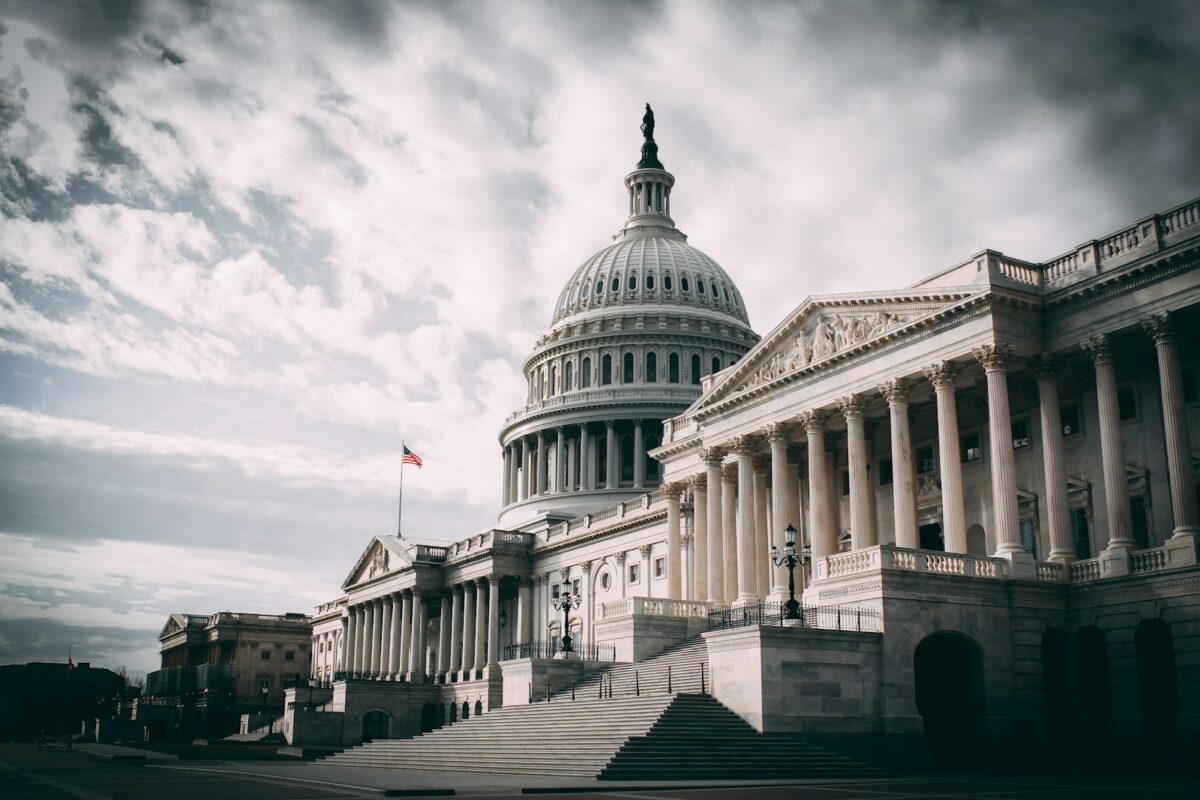
$100,000. That was the toll the White House tried to pin on new H-1B petitions in late 2025. On 8 June 2026 a federal court in Massachusetts threw it out, calling the charge an unlawful tax imposed without Congress. Then the twist. Four days later the same court paused its own order, so the fee is live again while the government appeals. If you sponsor talent, or hope to be sponsored, the H-1B fee court ruling just reshaped your budget and your timeline.
By the Travel Explore editorial desk. Last updated 3 July 2026.
Jump to
- The H-1B fee court ruling in one minute
- Why the fee snapped back
- What sponsors and workers should do now
- Questions people keep asking
The H-1B fee court ruling in one minute
Judge Leo Sorokin sided with the plaintiffs and struck down the policy behind the $100,000 payment. The court found it was pushed through without notice-and-comment rulemaking, went beyond the agencies’ authority, and worked as a tax. In the court’s words the payment was “an unlawful tax”. That is a strong finding. It signalled the fee would not survive on the merits. For a few days, employers breathed out and refiled petitions they had frozen since the proclamation landed.
Why the fee snapped back
The relief was brief. On 12 June the district court stayed its own vacatur while the government took the fight to the appeals court. A stay does not reverse the ruling. It simply pauses the effect, so the $100,000 requirement applies again for now. The Justice Department has filed a notice of appeal. Until a higher court rules, treat the fee as active. Two short words matter here. Not settled. Anyone budgeting a 2026 sponsorship should plan for the charge and hope for its removal, not the reverse.
What sponsors and workers should do now
Aarav, a backend engineer in Bengaluru, had his petition filed by a US employer in April. When the vacatur hit, his company almost paid nothing. After the stay, the $100,000 was back on the invoice. His lesson applies widely. Keep every filing date and receipt, because eligibility and cost can hinge on when your petition was submitted. Employers should model both outcomes in offer letters. Workers should ask, in writing, who covers the fee if it stands. Watch the appeal docket, not social media rumours, and move the moment the court speaks.
Weighing a US move against a plan B? Compare live routes and costs at https://linktr.ee/travelexpore.
The short version
- The $100,000 H-1B fee was struck down on 8 June 2026, then reinstated by a stay on 12 June.
- The fee is active again while the government appeals.
- Your petition’s filing date can decide whether the charge applies.
- Budget for the fee now and adjust only when a higher court rules.
Questions people keep asking
Is the $100,000 H-1B fee being charged right now?
Yes. A stay issued on 12 June 2026 revived the fee while the appeal proceeds, even though a court had vacated it days earlier.
Could the fee disappear later in 2026?
It might. The lower court called it unlawful, so an appeals court could uphold that view, but there is no guarantee or timeline.
Does the fee affect existing H-1B holders?
The payment targets certain new petitions tied to the proclamation, not people already working on valid H-1B status.
Who usually pays the fee, the worker or the employer?
Sponsoring employers generally carry petition costs, but confirm in writing, since a six-figure charge changes many offers.
Related reads
Share this story
- LinkedIn: The $100K H-1B fee is legally dead and financially alive at the same time. Here is what that means for hiring.
- Twitter: A court killed the $100K H-1B fee. A stay brought it back four days later. Still active in 2026.
- Facebook: If your employer sponsors H-1B talent, the six-figure fee is back on the table. Read before you file.
Plan around the fee, not the noise
Rules can flip in a single filing. Build a plan that survives either outcome, keep your paperwork tight, and line up a second country in case the appeal drags. Start comparing your options today at https://linktr.ee/travelexpore.
Sources
- CNBC, judge blocks the $100,000 H-1B fee, 8 June 2026 (Tier 1). https://www.cnbc.com/2026/06/08/trump-h1b-visa-fee-blocks.html
- Fragomen, district court temporarily stays order vacating the $100,000 H-1B fee, June 2026 (Tier 1). https://www.fragomen.com/insights/united-states-district-court-temporarily-stays-order-vacating-dollar100000-h-1b-fee.html
- CUPA-HR, federal court vacates H-1B $100,000 fee policy, June 2026 (Tier 2). https://www.cupahr.org/resource/federal-court-vacates-h-1b-visa-fee-policy/