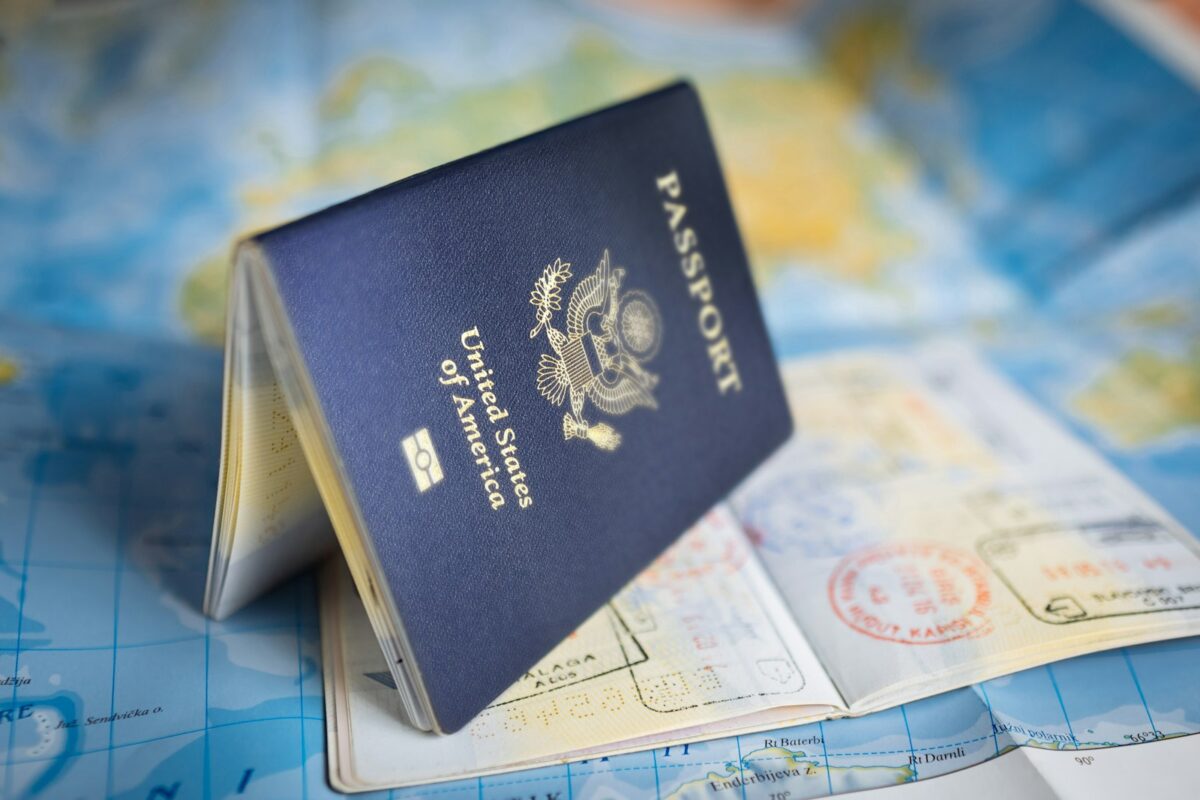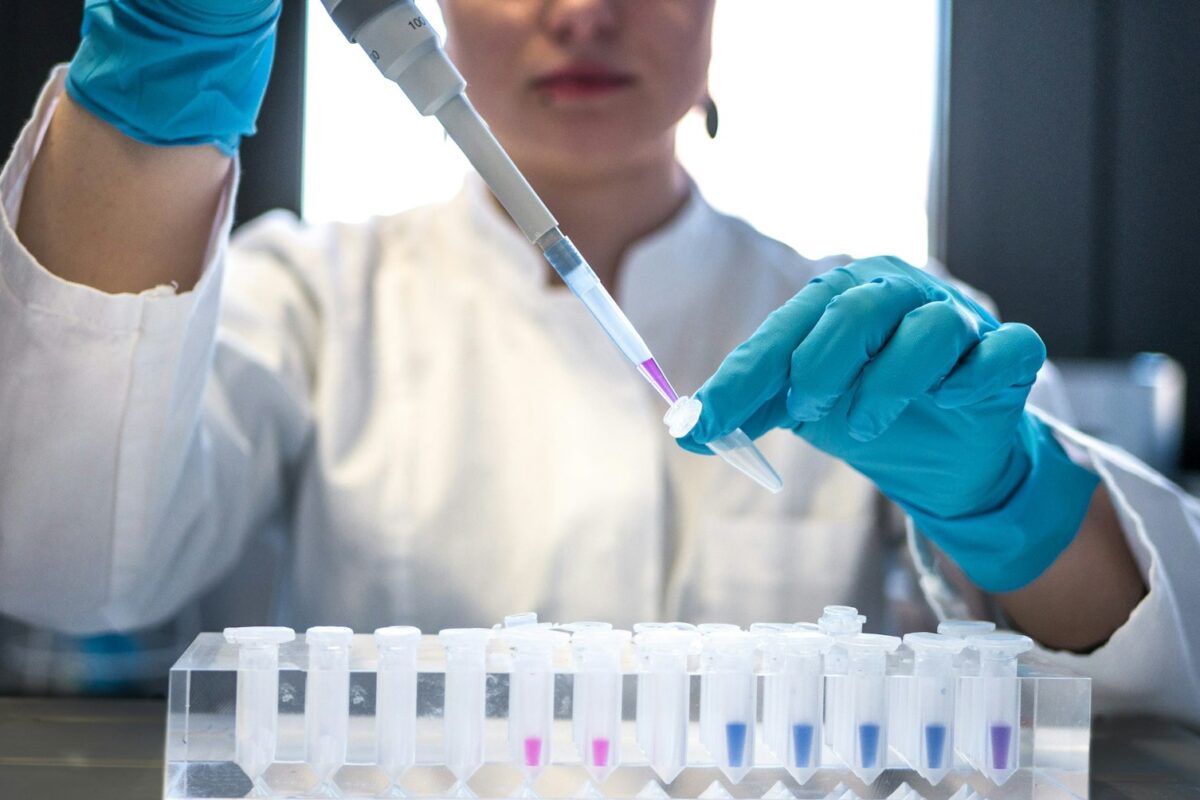
The USA EB-2 NIW 2026 route — the National Interest Waiver under the second employment-based preference — remains the most under-used self-petition path for African PhDs, postdocs, STEM founders and senior professionals. Unlike a standard EB-2, an NIW lets an applicant skip the employer sponsorship and labour certification (PERM) steps by arguing their work is in the United States’ national interest. For Ghanaian computational biologists, Nigerian climate-tech founders, Kenyan AI safety researchers, and South African biostatisticians, it is often the cleanest route to a green card without a US employer.
Jump to a section
- The Matter of Dhanasar three-prong test
- Who actually qualifies in 2026
- The evidence stack that wins approvals
- Timeline, costs and processing
- FAQ
The Matter of Dhanasar three-prong test
Every NIW petition turns on the 2016 Matter of Dhanasar framework. USCIS asks three questions. One: does your proposed endeavour have substantial merit and national importance? Two: are you well positioned to advance that endeavour? Three: on balance, would it benefit the US to waive the standard job-offer and labour certification requirements? Strong African petitions cleanly answer all three. Weak ones answer prong one in generic terms (we have all heard the “climate change matters” framing) but fail to specifically connect the applicant’s research output to US national interest outcomes.
Who actually qualifies in 2026
The myth that NIW is only for Nobel-track researchers is wrong. In 2026 the realistic profiles include: a Kenyan ML engineer with 8+ years of experience and a portfolio of open-source contributions in AI safety; a Nigerian PhD candidate in materials science with three peer-reviewed publications and US conference invitations; an Egyptian founder building a US-backed agritech startup with a STEM PhD; a Senegalese clinician-researcher in HIV vaccine development with WHO collaborations. The common thread: documented field expertise, evidence of US-relevant impact, and a credible plan to continue the work on US soil.
Adaeze, a Lagos-based bioinformatics PhD with two Nature Methods co-author credits and a postdoc offer at Stanford, filed her NIW in November 2025 and received approval in 7 months under premium processing. Her petition leaned hard on prong two — listing her open-source toolchain that 1,400 US labs already use.
Halftime — book a free 15-minute scope call and we’ll tell you whether NIW is the right route for your profile. → https://linktr.ee/travelexpore
The evidence stack that wins approvals
Strong 2026 NIW petitions are built on six evidence categories: peer-reviewed publications with citation metrics from Google Scholar or Scopus; independent expert recommendation letters (5-8 letters, mix of US and international); evidence of media coverage, conference invitations, or judging panels; documentation that US institutions, companies or agencies already use or cite your work; a detailed business or research plan for your US-based endeavour; financial evidence if you’re self-funding the move. Outbound reading: USCIS EB-2 official page and NAFSA EB-2 NIW resources.
Timeline, costs and processing
Filing-to-approval timelines in 2026: standard I-140 processing runs 12-20 months; premium processing ($2,805) compresses adjudication to 45 days. Filing fee for I-140 is $715. Once approved, applicants either AOS in the US (now harder under PM-602-0199 — see our earlier post) or consular-process abroad. Priority-date wait under EB-2 is currently 2-4 years for most applicants, longer for India and China but not for African nationality holders. That timeline matters: African petitioners benefit from one of the shortest priority-date waits in the EB-2 universe.
Carry these forward
- NIW is a self-petition — no US employer or PERM required.
- Matter of Dhanasar test has three prongs: merit, applicant fit, and the on-balance waiver benefit.
- Realistic 2026 profiles include senior engineers, PhD-level researchers, and STEM founders — not just superstars.
- Build the petition on six evidence categories; weak prong two kills most petitions.
- African nationality is an advantage on EB-2 priority-date waits.
Skip the guesswork — let our advisors map it
Our consultants live inside the NIW rules so you don’t have to. Bring us your CV, your research plan, and your destination shortlist — we’ll come back with a sequenced petition strategy and a fee quote within 48 hours. → https://linktr.ee/travelexpore
FAQ
Q: Do I need a PhD to qualify for NIW?
No. A bachelor’s plus 5+ years of progressive experience can satisfy EB-2 advanced-degree-equivalent. NIW is decided on the merit of the endeavour, not the degree.
Q: Can I file NIW while living in Africa?
Yes. NIW is a self-petition; you can file from anywhere and consular-process at your US embassy.
Q: How many recommendation letters do I need?
5-8 letters, mix of independent US-based experts and international voices.
Q: Can my NIW cover my spouse and kids?
Yes. Approval extends to spouse (E-21) and unmarried children under 21 (E-22).
Q: What’s the realistic priority-date wait for African EB-2 NIW?
2-4 years from priority date in current Visa Bulletin movement.
Related reads
- USCIS Adjustment of Status 2026: African H-1B and F-1 Applicants
- USCIS Consular Processing Pivot 2026 Guide
Share this story
- African PhD? You may already qualify for the EB-2 NIW. Inside the test.
- The NIW is the most under-used green card path for African researchers. Here’s why.
- How a Lagos bioinformatician earned NIW approval in 7 months.