Category Archives: Visa Consultancy

UK Innovator Founder Visa 2026: Switch From Student Visa, B2 English and the £50,000 Rule Nigerians Should Use Now

The UK Innovator Founder Visa 2026 has quietly become one of the most attractive routes for ambitious African entrepreneurs — especially Nigerians already studying in the UK. Two big shifts in late 2025 and early 2026 changed the math: you no longer need to prove a fixed £50,000 investment fund, and you can now switch from a UK Student Visa without leaving the country. If you have a real business idea, this is the cleanest founder route the UK has offered in years.

What changed in the UK Innovator Founder Visa 2026?

Three updates matter most. First, the Home Office removed the rigid £50,000 minimum investment fund requirement. Endorsing bodies now assess your business plan on viability and innovation, not on whether you have a specific cash pile sitting in a bank account. Second, since November 2025 (rule change HC 1333), Student Visa holders can switch to the Innovator Founder Visa from inside the UK — no need to fly home. Third, from 8 January 2026, the English language requirement was raised to CEFR Level B2 across all four skills (reading, writing, speaking, listening), proven via a Secure English Language Test (SELT) such as IELTS for UKVI or PTE Academic UKVI, with a minimum of 5.5 in each component.

Who is affected?

This update is a game-changer for three groups: Nigerian Master’s and PhD students finishing their studies in the UK who want to commercialise a research idea or fintech concept; African founders running early-stage startups who could not previously raise the £50,000 in liquid funds; and African applicants outside the UK with genuinely innovative, scalable, viable business ideas that an approved endorsing body will back.

Key requirements and the endorsing body rule

You must be 18+, hold a valid passport, pass UK security checks, prove B2 English, and — most importantly — secure an endorsement from a Home Office-approved endorsing body. The endorsing body landscape is changing again in spring 2026, so always check the GOV.UK list before paying any application or assessment fees. Your business plan must demonstrate three things: innovation (a genuinely new product or service), viability (realistic plan with relevant skills), and scalability (job creation and growth potential). After three continuous years on the visa you can apply for Indefinite Leave to Remain (ILR) — UK permanent residence.

Why the UK Innovator Founder Visa 2026 Matters for Nigerians and Africans

For Nigerian students on a Student Visa, this route is now the cleanest legal alternative to the shrinking Graduate Route (which is being cut to 18 months from January 2027). Instead of spending those months job-hunting in a tightening UK labour market, founders can build a business, hire UK staff, and lock in a path to ILR in three years. For applicants in Lagos, Nairobi or Accra with strong tech, fintech or healthtech ideas, the removal of the £50,000 fixed-fund rule is the single biggest unlock — you now compete on the strength of your idea, not the size of your bank statement.

Key Takeaways

  • No fixed £50,000 investment fund — endorsement is now based on the strength of your business plan.
  • Switch from a UK Student Visa to the Innovator Founder Visa from inside the UK (since November 2025).
  • English language bar raised to CEFR B2 across all four skills from 8 January 2026.
  • Endorsing bodies are changing again in spring 2026 — verify the live list on GOV.UK before applying.
  • Three years on the visa leads to UK Indefinite Leave to Remain (ILR).
  • New applications are now issued as eVisas; existing vignette holders must transition via a UKVI account.

Get Expert Help With Your UK Innovator Founder Visa Application

Travel Expore helps Nigerian and African entrepreneurs find endorsing bodies, structure their business plan, and avoid the common evidence pitfalls that derail Innovator Founder applications. Talk to a consultant today via https://linktr.ee/travelexpore

Share This Story

UK Skilled Worker Visa £41,700 in April 2026: New Rules and Why Healthcare Is the Exception

The UK Skilled Worker visa is the main employer-sponsored route for Nigerians and Africans moving to the UK for long-term work. From April 2026, the rules tightened sharply — the minimum salary climbed, the Immigration Salary List started winding down, and certain occupations are heading off the eligibility list entirely. But the Health and Care Worker visa still keeps a generous carve-out.

Here is the full UK Skilled Worker visa 2026 picture, who is affected, who still has a clear path, and how Nigerian applicants should respond.

What Changed in April 2026?

Two big numbers define the new framework:

  • The standard Skilled Worker minimum salary rose from £38,700 to £41,700. Sponsoring employers must pay whichever is higher: this absolute floor or the occupation-specific going rate for the SOC code.
  • The Immigration Health Surcharge and visa application fees rose alongside the broader April 2026 fee package.

The Skilled Worker route still requires a sponsoring employer with a UKVI sponsor licence, and the role must sit at RQF Level 6 (graduate level) or higher for most occupations. Combined with the salary jump, that effectively prices many entry-level roles out of the system.

Healthcare Is the Big Exception

The Health and Care Worker visa — a sub-category of the Skilled Worker route — keeps its £25,000 minimum salary requirement. This is the same threshold that has applied for some time, and it remains in place after April 2026.

To make this concrete: from 1 April 2026, the full-time NHS Agenda for Change Band 3 entry salary increases to £25,760. That nudges Band 3 above the £25,000 floor, meaning healthcare support workers in qualifying roles can still be sponsored under the Health and Care Worker visa.

Important deadline: the Immigration Salary List, which provides further flexibilities for some lower-paid occupations, is set to be withdrawn in December 2026. After that, new applications under SOC code 6131 (nursing auxiliaries and assistants) will no longer be possible.

Who Is Affected?

  • Standard Skilled Worker applicants in IT, engineering, finance, and other graduate-level roles must now be paid at least £41,700 or the going rate for their SOC code — whichever is higher.
  • Nurses, doctors, allied health professionals, and care workers retain access to the more affordable Health and Care Worker route at £25,000.
  • Healthcare support workers — especially those eyeing SOC 6131 nursing auxiliary roles — have a hard December 2026 cut-off; new applications under that code will not be possible afterwards.
  • Existing Skilled Worker visa holders renewing in 2026 should check whether their current salary still meets the new threshold, particularly for those near £38,700–£41,700.

Key Requirements for the Skilled Worker Visa 2026

  • A Certificate of Sponsorship (CoS) from a UK employer with a valid sponsor licence.
  • The job must be on the eligible occupations list.
  • Salary must meet £41,700 or the going rate for the SOC code — whichever is higher (or £25,000 for the Health and Care Worker visa where applicable).
  • English language proficiency at CEFR Level B1 or higher.
  • Adequate maintenance funds: typically £1,270 held for 28 days unless your sponsor certifies maintenance.
  • A clean immigration record and a TB test certificate where required.

Why This Matters for Nigerians and Africans

The Skilled Worker visa is one of the most popular routes from Nigeria to the UK — particularly for tech professionals, finance specialists, and healthcare workers. The April 2026 changes split that population:

  • For tech and finance professionals, the £41,700 floor is achievable in London, Manchester, and Edinburgh roles — but it pushes some entry- and mid-level positions out of reach. Mid-career Nigerians with 5+ years of experience are best positioned.
  • For healthcare professionals, the UK remains exceptionally accessible. Nigerian nurses, doctors, midwives, and allied health professionals still benefit from a £25,000 floor, dependants visas with work rights, and a clear path to indefinite leave to remain.
  • For healthcare support workers, the December 2026 deadline for SOC 6131 is a hard line — if this is your route, do not delay.

Key Takeaways

  • The UK Skilled Worker visa 2026 minimum salary rose to £41,700 (or the higher SOC code going rate).
  • The Health and Care Worker visa keeps its £25,000 minimum.
  • NHS Band 3 entry salary moves to £25,760 from 1 April 2026.
  • The Immigration Salary List ends in December 2026; new SOC 6131 applications close after that.
  • Mid-career professionals and healthcare workers remain in the strongest position; entry-level roles in non-health sectors are tougher.

Plan Your UK Skilled Worker Move

Travel Explore helps Nigerian and African candidates align with sponsor-licensed UK employers, structure salary expectations to meet the 2026 thresholds, and route healthcare professionals through the Health and Care Worker visa.

👉 Connect with us: https://linktr.ee/travelexpore

Share This Story

  • £41,700 or Bust: The UK’s 2026 Skilled Worker Reset No Nigerian Should Ignore
  • Why Nigerian Nurses and Carers Are Still the Biggest Winners of the 2026 UK Visa Rules
  • December 2026 Is a Hard Deadline for One UK Visa Route — Here Is What That Means

Related Guides

Schengen Visa 2026: Why Some African Applicants Now Pay Up to €180 (and What Nigerians Should Do)

The Schengen Area — 29 European countries that share a single border policy — just made it more expensive and more complicated for some African travellers to enter. The 2026 update introduced a punitive fee structure that targets countries the EU classifies as not cooperating sufficiently on readmission. The result: some African applicants now pay up to €180 for the same visa.

Here is a clear breakdown of the Schengen visa fees Africa 2026 reality, who is affected, where Nigeria sits in the new framework, and how to prepare a Schengen application that survives the tightening.

What Changed in 2026?

The standard Schengen short-stay visa fee remains:

  • €90 for adults
  • €45 for children aged 6–12
  • €35 for nationals of countries with an EU visa facilitation agreement

The new wrinkle is a punitive fee structure applied to countries the EU has formally flagged as not cooperating enough on readmission of irregular migrants. Under that framework, applicants from listed countries face fees of €135 (a 50% surcharge) or €180 (a 100% surcharge), plus extended processing times of up to 60 days.

Which African Countries Are Affected?

The countries most directly impacted by punitive Schengen visa pricing in 2026 include:

  • The Gambia — high refusal rates and visa restrictions linked to readmission disputes.
  • Senegal — with a refusal rate above 41% according to Henley analysis.
  • Ghana — with refusal rates above 47%.
  • Mali — with refusal rates over 40%.
  • Ethiopia — with refusal rates around 35%.

Nigeria is not on the punitive list at the time of writing, which means Nigerian applicants still pay the standard €90 short-stay fee. But Nigerian travellers are still affected by parallel changes: longer processing windows at some VFS centres, more biometric checks, and the gradual rollout of the EU’s digital Schengen visa platform.

What Else Is New in the Schengen Process

  • Digital Schengen Visa Application Platform: the EU is rolling out a centralised digital platform that will eventually replace most paper-based applications. Several Schengen states have already started piloting it.
  • Longer processing times: standard processing remains 15 calendar days, but the EU now allows up to 45 days in justified cases and 60 days for applicants from punitive-fee countries.
  • Higher biometric scrutiny: ETIAS pre-travel authorisation for visa-exempt travellers and reinforced VIS biometric data sharing means a single past refusal in any Schengen state will follow you everywhere.

Who Is Affected and How

If you are a Nigerian travelling for tourism, business, or education to a Schengen country in 2026, you are still in the standard fee bracket but facing tighter scrutiny. If you are an African applicant from a punitive-fee country, expect the higher fee, longer processing time, and more documentation requests.

Visa rejection rates across Africa rose sharply over the last decade — from 18.6% in 2015 to 26.6% in 2024 — and the 2026 changes are expected to push them higher. Strong applications now matter more than ever.

How Nigerians Can Strengthen a 2026 Schengen Application

  • Apply at the correct embassy: the embassy of the country you will spend the most time in, or your first point of entry if visiting multiple Schengen states equally.
  • Prove strong ties to Nigeria: employment letter, salary slips, property documents, family ties, ongoing business activity.
  • Show clean financials: 6 months of bank statements showing consistent inflow, with closing balances aligned to your trip cost.
  • Provide a credible itinerary: day-by-day plan, return flights (preferably refundable), and confirmed accommodation.
  • Carry comprehensive Schengen-compliant travel insurance with at least €30,000 medical coverage.
  • Apply early: at least 4–6 weeks before travel for tourism, longer for business or study trips.

Why This Matters for Nigerians and Africans

The Schengen visa is the gateway to study, work, and family travel across the EU. The 2026 fee structure is the EU’s way of using visa policy as diplomatic leverage — and the cost is being pushed onto African applicants. Even if Nigeria is not on the punitive list today, the framework now exists and can be expanded at any time.

For Nigerian families, the smart play is twofold: keep your Schengen records clean (no refusals, no overstays), and start considering long-stay national visas (study, work, family reunification) and citizenship-track residencies in countries like Ireland, Germany, the Netherlands, and Portugal as a more durable plan than repeat short-stay visas.

Key Takeaways

  • Standard Schengen short-stay fee remains €90 for adults; €45 for children 6–12.
  • Punitive fees of €135 or €180 apply to applicants from listed African countries (Gambia, Senegal, Ghana, Mali, Ethiopia).
  • Nigeria pays the standard fee in 2026 but faces tighter documentation and longer processing.
  • The EU is rolling out a digital Schengen visa platform; ETIAS and VIS will share biometric data more aggressively.
  • Strong applications — ties, financials, insurance, clean record — matter more than ever.

Need Help With Your Schengen Application?

Travel Explore reviews Schengen documentation, prepares Nigerian applicants for embassy interviews, and helps build pathways from short-stay visas to long-term EU residence.

👉 Connect with us: https://linktr.ee/travelexpore

Share This Story

  • The EU Just Made Schengen Visas More Expensive for Some Africans — Here Is Where Nigeria Stands
  • €180 to Visit Europe? The 2026 Schengen Fee Story No One Is Telling You
  • Why a Schengen Refusal in 2026 Will Haunt You Across All 29 Countries

Related Guides

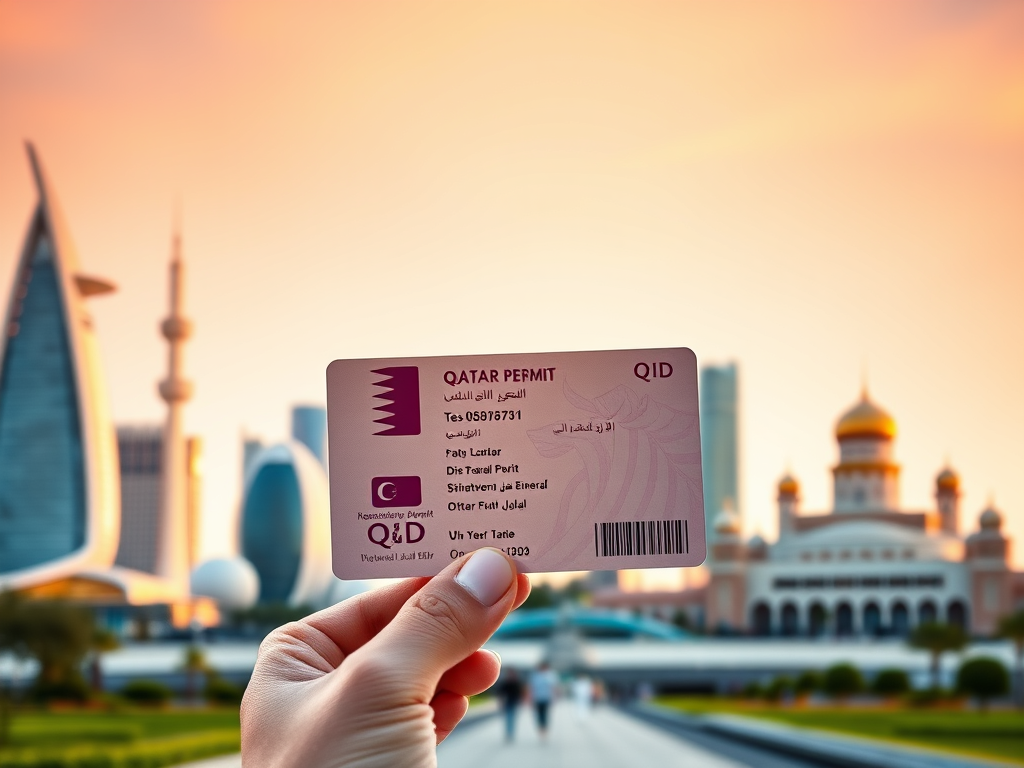
Qatar Residence Permit (QID): Benefits and Travel Advantages for Non-Citizens

The Qatar Residence Permit (QID) is a game-changer for expatriates seeking a vibrant life in Qatar and seamless global travel. This official ID card, issued by Qatar’s Ministry of Interior, grants non-citizens legal residency, access to services, and travel perks to over 29 countries. In this guide, discover the benefits of Qatar Residence Permit, why it’s a must-have, and how Travel Expore can simplify your visa needs.

What is the Qatar Residence Permit (QID)?

The Qatar ID (QID) is a residence permit for non-citizens, proving legal status to live and work in Qatar. Issued after sponsorship (often by an employer), a medical check, and biometric registration, the QID is valid for 1-2 years. It’s your key to accessing services like banking, healthcare, and education in Qatar.

Top Benefits of Qatar QID for Non-Citizens

Holding a QID unlocks a wealth of advantages for daily life and long-term stability:

  • Legal Residency: Ensures compliance with Qatar’s laws, offering security for you and your family.
  • Government Services: Open bank accounts, get a driver’s license, or use Qatar’s e-services portal.
  • Healthcare Access: Enjoy Qatar’s world-class public and private medical facilities.
  • Education for Kids: Sponsor dependents to enroll in top schools and universities.
  • E-Gate Travel: Apply for an E-Gate card for faster immigration at Hamad International Airport.
  • Family Sponsorship: Bring your spouse or children to Qatar under your residency.

These perks make the QID essential for a fulfilling life in Qatar’s safe, modern environment.

Travel Advantages with Qatar Residency

As a Qatar ID holder with a residence or work visa, your ability to travel visa-free or with a visa on arrival depends on your nationality, as the Qatar ID itself does not grant visa exemptions but may facilitate travel for residents of certain countries. However, some countries extend visa-free or visa-on-arrival privileges to residents of Gulf Cooperation Council (GCC) countries, including Qatar, regardless of nationality, provided they hold a valid Qatar residence permit. Below is a breakdown based on available information for 2025. Note that visa policies can vary by nationality, so you should verify requirements with official sources like embassies or the Hayya platform for Qatar-related travel.

Visa-Free Countries for Qatar Residents

Qatar residents (QID holders) can access certain countries visa-free, often due to GCC agreements or bilateral arrangements. Based on recent data, Qatar residents can visit approximately 74 countries visa-free, spanning Asia, Europe, Africa, the Americas, and Oceania. Examples include:

  • GCC Countries:
    • Oman
    • Saudi Arabia
    • United Arab Emirates
    • Bahrain
    • Kuwait
  • Asia:
    • Malaysia
    • Maldives
    • Seychelles
    • Thailand
    • Singapore
    • Indonesia
    • Philippines
  • Europe:
    • Serbia
    • Bosnia and Herzegovina
    • Montenegro
    • Albania
  • Africa:
    • Mauritius
    • Tunisia
    • Morocco
  • Americas:
    • Barbados
    • Dominica
  • Oceania:
    • Vanuatu

Visa-on-Arrival Countries for Qatar Residents

Approximately 30 countries offer visa-on-arrival for Qatar residents (QID holders), often for specific nationalities or under certain conditions (e.g., valid residence permit, proof of employment, or hotel bookings). Examples include:

  • Africa:
    • Kenya
    • Tanzania
    • Ethiopia
    • Madagascar
    • Mozambique
  • Asia:
    • Nepal
    • Jordan
    • Lebanon
    • Sri Lanka
    • Bangladesh
  • Middle East:
    • Egypt
    • Iran
  • Other:
    • Maldives (visa on arrival for most nationalities, often extended to Qatar residents)
    • Seychelles (visa on arrival or entry permit)

eVisa Countries for Qatar Residents

Around 27 countries offer eVisas to Qatar residents, which can be applied for online before travel. Examples include:

  • Africa:
    • Kenya
    • Tanzania
    • Ethiopia
    • Zimbabwe
  • Asia:
    • India
    • Sri Lanka
    • Bhutan
  • Oceania:
    • Australia (eTA or eVisa)
  • Americas:
    • Canada (eTA for eligible nationalities)

Key Notes

  • Nationality Matters: The visa-free or visa-on-arrival privileges for Qatar residents often depend on your passport. For example, GCC residents from countries like India, Pakistan, or the Philippines may have access to fewer visa-free destinations compared to Qatari nationals or residents with Western passports.
  • GCC Resident Visa: Some countries, like Georgia, offer visa-on-arrival specifically for GCC residents, regardless of nationality, provided they hold a valid Qatar ID.
  • Verification: Always check with the destination country’s embassy or official visa portal (e.g., Hayya for Qatar-related travel) for specific requirements, as policies can change or vary by nationality.
  • Sources: Information is based on web sources from 2025, including qatarvisacheck.net, qatarcheck.com, and iloveqatar.net, which report Qatar residents can access 107 destinations (74 visa-free, 30 visa-on-arrival, 27 eVisa).

Recommendations

If you provide your nationality, I can tailor the list further. Alternatively, I can search for more specific or real-time information if needed. Let me know!

Why Choose Travel Expore for Visa Assistance?

Navigating visa applications can be complex, but Travel Expore makes it easy. Our expert team offers:

  • Tailored visa support for QID holders.
  • Fast, reliable application processing.
  • Up-to-date visa policy guidance.

Contact Travel Expore at info@travelexpore.com +2347063404422 for hassle-free visa assistance. Let us handle the details while you plan your next adventure!

Related Guides

Tips for Booking Cheap Flights

Booking a cheap flight can feel like a challenge, but with the right strategies, you can save significantly on your travel expenses. Here are some expert tips from Travel Explore to help you secure a cheap flight and make the most of your travel budget

  1. Book Early: Timing is everything when it comes to securing lower fares. For domestic flights, aim to book 1-3 months in advance to get time for Booking a cheap. If you’re planning an international trip, start looking 2-6 months ahead. Early planning often leads to the best deals.
  2. Track Fare Trends: Utilize flight comparison tools like Google Flights, Skyscanner, and Kayak to monitor prices over time. Setting alerts for fare drops can help you grab a great deal as soon as it becomes available.
  3. Be Flexible: Flexibility with your travel dates and times can be a game-changer. Mid-week flights or those at off-peak hours tend to be more affordable. Consider adjusting your schedule to find cheaper options.
  4. Consider Alternative Airports: Don’t limit your search to just the major airports. Nearby airports might offer lower fares, so it’s worth checking if the savings outweigh the inconvenience of a longer drive or shuttle.
  5. Explore Budget Airlines: Budget carriers often provide lower fares, but be sure to check for any extra fees that could add up. Sometimes, a budget flight with a few add-ons can still be cheaper than a traditional airline.
  6. Use Miles and Points: If you’re a frequent traveller, don’t forget to redeem your frequent flyer miles or credit card points. These can significantly reduce the cost of your flight or even get you a free ticket.
  7. Look for Connecting Flights: While non-stop flights are convenient, connecting flights can sometimes be considerably cheaper. If you don’t mind a layover, this option can save you money.
  8. Watch for Deals: Sign up for airline newsletters and travel deal websites. Promotions, flash sales, and discount codes can make a significant difference in the total cost of your flight.
  9. Travel Off-Peak: Peak travel seasons like summer and major holidays come with higher prices. If your schedule allows, consider travelling during the shoulder seasons or off-peak times when flights are generally cheaper.
  10. Be Cautious with Last-Minute Deals: While last-minute deals offer great savings occasionally, they often come with limited availability and higher risks. If you’re not a flexible traveller, booking in advance is usually better.

By following these tips, you can secure better flight deals, leaving more room in your budget for other travel experiences. Happy travels from the team at Travel Explore!

For visa Help or guidance, chat us on WhatsApp: https://wa.link/ec1g86

Related Guides