
Tag Archives: UK Visa

UK High Potential Individual Visa 2026: 80 Universities, No Sponsor Needed for African Top-Tier Graduates

The UK High Potential Individual Visa 2026 just became one of the most powerful tools in the UK’s migration toolkit. After the 4 November 2025 Statement of Changes, the eligible university list expanded to 80 institutions across 15 countries, and the new lists apply retroactively to graduates from the past five years. For Africans who studied at MIT, Harvard, ETH Zurich, the National University of Singapore or the University of Melbourne, this is a no-sponsor, no-job-offer route to live and work in the UK for two or three years.

What changed in the UK High Potential Individual Visa 2026 rules?

The UK High Potential Individual Visa 2026 framework introduced three big shifts. First, the Global Universities List grew to 80 institutions in the 2025-2026 academic year, up from 50 at launch. Second, the lists now apply retroactively, so a Nigerian who graduated from a newly added university in 2021 still qualifies under the 2025 list. Third, English language and maintenance-funds requirements were tightened to align with the Skilled Worker route, per the official gov.uk Global Universities List.

The eligible-list logic is unusual. It is built from rankings published by Times Higher Education, QS, and the Academic Ranking of World Universities — if a university appears in the global top-50 of at least two of those three rankings in a given year, it goes on the HPI list for that year. Gov.uk publishes a separate list for every academic year going back five years, so the year you graduated matters more than where you studied today.

Who is eligible for the UK HPI Visa — African graduate edition

This route was designed for Africans who left home for elite degrees abroad and now want a UK chapter. It excludes UK universities (those graduates use the Graduate Route) and African universities (none currently appear on the list). The HPI is for Nigerian, Kenyan, Ghanaian or South African graduates of US, Canadian, European, Australian or top Asian institutions.

Concrete African personas who qualify: a Nigerian Master’s graduate from MIT’s Sloan School (2024 cohort); a Kenyan PhD from Stanford’s computer science department (2023); a Ghanaian Master’s graduate from ETH Zurich’s engineering school (2025); a Senegalese MBA from INSEAD (Singapore campus, 2022). All of these can apply for the UK HPI without a job offer or sponsor.

Key requirements for the UK High Potential Individual Visa 2026

The visa is open to graduates whose award is at the same level as a UK Bachelor’s degree, Master’s, PhD or doctorate, and was conferred within the last five years. There is no English-test exemption based on your degree language alone — you usually need an academic IELTS or equivalent.

  • Application fee: £822 (2026 rate) plus the Immigration Health Surcharge of £1,035 per year.
  • Maintenance funds: at least £1,270 in your account for 28 consecutive days before applying.
  • Visa length: two years for Bachelor’s and Master’s graduates, three years for PhD or doctorate holders. Not extendable.
  • What you can do: any work, self-employment, study (except as a doctor or dentist in training), or switch into the Skilled Worker, Innovator Founder or Global Talent route during the visa.
  • What you cannot do: bring in dependants who were not already in the UK with you, claim public funds, or apply for settlement directly from the HPI route.

Confirm whether your university is on the HPI list

Travel Expore checks the year-of-graduation list, walks you through the maintenance-funds and English requirements, and prepares your application end-to-end. Get your free eligibility check at https://linktr.ee/travelexpore.

Why the UK HPI Visa matters for Nigerians and Africans

For African graduates of top global universities, the HPI is faster and cheaper than the Skilled Worker route. You skip the sponsor licence search, the Certificate of Sponsorship paperwork, and the £41,700 salary threshold that the Skilled Worker route now requires. You arrive in London, take three months to job-hunt, and switch to a Skilled Worker visa once you find a sponsoring employer — with a UK address, UK bank account and UK referees already in place.

The HPI also pairs beautifully with the UK Innovator Founder visa route. Many Nigerian and Kenyan founders use the two HPI years to incorporate a UK Ltd, raise a small angel round, and switch into the Innovator Founder visa with a verified track record. The biggest mistake to avoid: do not let your HPI lapse without a switch plan, because the route is non-extendable. Read more on the Home Office Media blog for current policy nuances.

Frequently asked questions about the UK High Potential Individual Visa 2026

Are any African universities on the UK HPI list?

No. The current Global Universities List for the UK High Potential Individual Visa 2026 contains 80 universities across 15 countries, but none are based in Africa. Africans who studied at top universities in the US, UK (other than UK degrees, which use the Graduate Route), Europe, Australia or Asia can qualify.

How long is the UK HPI visa valid?

Two years for graduates with a Bachelor’s or Master’s degree from a listed university, and three years for those with a PhD or doctorate. The visa is non-extendable, so you must switch to another route to remain in the UK long-term.

Do I need a job offer to apply for the UK HPI?

No. Unlike the Skilled Worker visa, the HPI does not require a job offer or a UK sponsor. You can arrive, look for work, freelance, or start a business once in the UK.

Can I bring my spouse and children on the UK HPI visa?

Yes, as dependants. They must each meet maintenance-funds requirements (£285 for a spouse and £315 for the first child, £200 for each additional child), and the dependants must be applying with you or already be in the UK with you.

What happens after the HPI expires?

You must switch to another visa — Skilled Worker, Global Talent, Innovator Founder, Spouse, or Student — before the HPI ends, or leave the UK. Time spent on the HPI does not count towards Indefinite Leave to Remain (ILR).

Does my degree-language matter for the English requirement?

You generally need to prove English at CEFR B1 level via an approved test (IELTS, PTE, Trinity College). Holders of a degree taught in English from a majority-English-speaking country may be exempt; otherwise, sit the test before applying.

Key takeaways

  • The UK High Potential Individual Visa 2026 list has 80 universities across 15 countries, expanded on 4 November 2025.
  • African graduates of MIT, Harvard, Stanford, ETH Zurich, NUS, Melbourne and similar institutions can apply within five years of graduating.
  • No job offer, no sponsor, no Certificate of Sponsorship — you simply prove your degree, English and maintenance funds.
  • The visa is two years for Bachelor’s/Master’s, three for PhD, and is non-extendable — plan your switch route from day one.
  • Pair the HPI with a switch to Skilled Worker, Innovator Founder or Global Talent for a long-term UK plan.

Get expert help with your UK High Potential Individual Visa application

Travel Expore confirms whether your university qualifies, builds your maintenance-funds and English file, and submits your HPI in one shot. Talk to a consultant at https://linktr.ee/travelexpore.

Related reads on Travel Expore

Share this story

  • The UK’s best-kept open door for African graduates — if your degree is from one of these 80 elite universities
  • How a Nigerian MIT grad can move to London in 2026 without a job offer or sponsor
  • The UK HPI loophole every African MBA, PhD and Master’s student abroad should know about
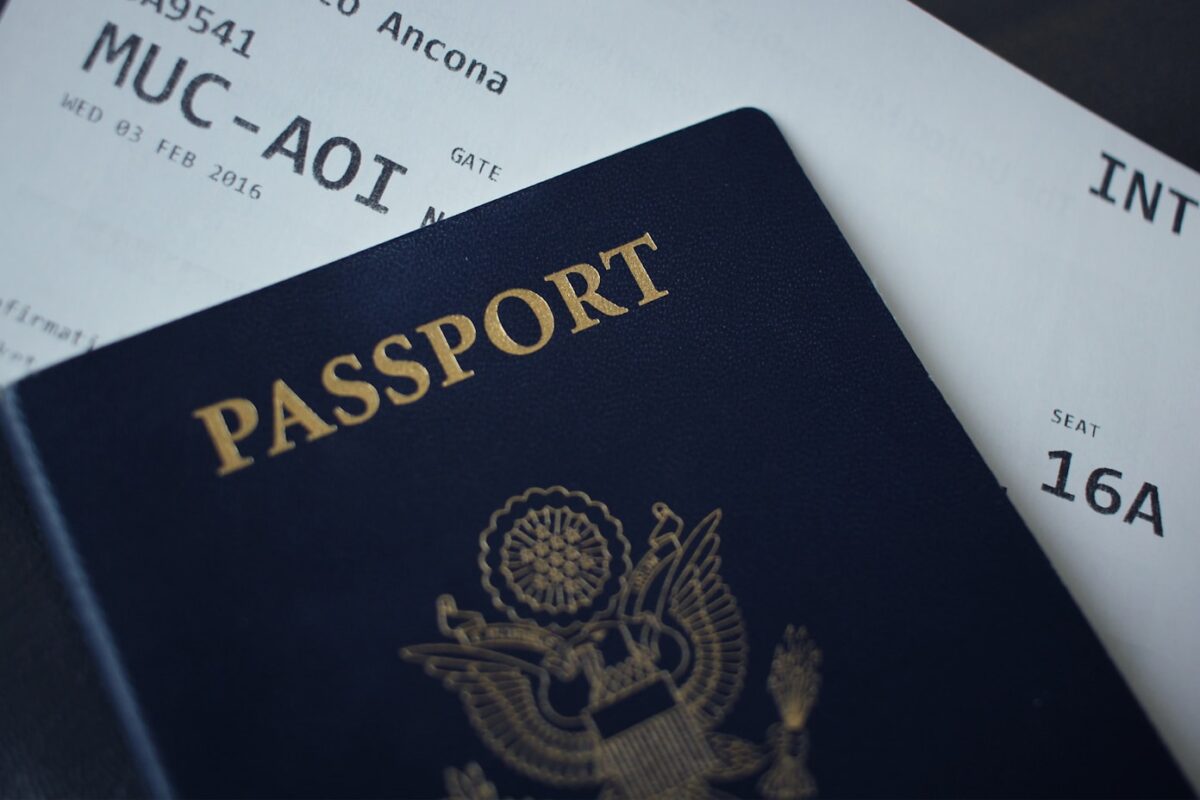
UK ETA 2026: Why Most Nigerian Travellers Still Need a Visitor Visa, Not the £20 ETA

The UK ETA 2026 is now fully live, and most Africans on social media are confused. The Electronic Travel Authorisation became compulsory for 85 visa-exempt nationalities on 25 February 2026, and the fee was hiked from £16 to £20 on 8 April 2026. But here is the catch Nigerian, Kenyan, Ghanaian and most African passport holders need to hear: you almost certainly do not need an ETA — you still need a Standard Visitor Visa, which itself jumped to £135 in April 2026.

What changed in the UK ETA 2026 framework?

The UK ETA 2026 rollout had three milestones. ETA was made mandatory for citizens of the Gulf states first in November 2024, then expanded to a further wave of European and visa-exempt nationals in spring 2025, and finally completed full enforcement on 25 February 2026. According to the Home Office Electronic Travel Authorisation factsheet, the ETA costs £20 since 8 April 2026, lasts two years, and permits multiple entries of up to six months each.

Crucially, the ETA is only for nationals of countries that previously enjoyed visa-free entry. Nigeria, Ghana, Kenya, Senegal, Cameroon, Uganda and most of Sub-Saharan Africa were never on that list. Africans from those passports therefore continue to apply for a Standard Visitor Visa — which costs £135 for a six-month single-entry visa as of 8 April 2026, per gov.uk Standard Visitor guidance.

Who is affected by the UK ETA 2026 — and who is not?

You DO need a UK ETA in 2026 if you hold a passport from a visa-exempt country. The list includes the United States, Canada, Australia, New Zealand, Japan, South Korea, Singapore, the Gulf states, the European Union and most South American nations. Some Africans hold these passports through dual nationality — for example, a Nigerian-American or Ghanaian-Canadian dual citizen would travel on the visa-exempt passport and apply for an ETA.

You do NOT need an ETA if you hold a Nigerian, Kenyan, South African, Ghanaian, Tanzanian, Rwandan, Cameroonian, Senegalese or Ivorian passport (and most other African passports). You need a Standard Visitor Visa instead. South Africa is currently the only major African country that was visa-exempt for the UK, but South Africans now also need an ETA — the visa-free shortcut effectively ended in February 2026.

Key requirements for African travellers

If you are flying to the UK on holiday, for a business meeting, to attend a conference, or to visit family, here is your 2026 checklist. Match the document to your passport, not to your destination, because that is where most rejections come from.

  • Standard Visitor Visa — required for Nigerian, Kenyan, Ghanaian and most African passport holders. Apply online at gov.uk, pay £135, attend a biometrics appointment in your country, wait three weeks.
  • UK ETA — required only for visa-exempt nationals (US, Canada, EU, Gulf, etc.). Apply via the UK ETA app or website, pay £20, get a decision usually within 72 hours.
  • Transit through the UK — Nigerians transiting Heathrow without leaving the airport may need a Direct Airside Transit Visa (DATV). Confirm with the airline before booking.
  • Studying or working — neither the ETA nor the Standard Visitor Visa permits work or long-term study. Use the UK Student Visa or UK Skilled Worker Visa instead.
  • Dual citizens — travel on whichever passport gives you the simpler entry path. A Nigerian-American on a US passport just needs a £20 ETA.

Confused about ETA vs Visitor Visa for your passport?

Travel Expore checks your passport against the latest UK Border Force requirements, picks the right route, and walks you through the full application — visa, ETA, biometrics. Get your free check at https://linktr.ee/travelexpore.

Why the UK ETA 2026 matters for Nigerians and Africans

The confusion is costing Africans real money. Hundreds of Nigerian travellers tried to apply for the cheaper £20 ETA in early 2026 thinking it had replaced the visitor visa, only to be rejected and told to start again with a Standard Visitor Visa — this time without a refund of the ETA fee. Some lost their flight bookings. The right answer for almost every Sub-Saharan African is the visitor visa route, with a properly assembled bank-statement and travel-history pack.

The second consequence is for British employers and universities welcoming African delegates. A Nigerian conference speaker invited to the UK still needs a Standard Visitor Visa, which means three weeks of processing. Plan your invitation letters and trips at least 5 weeks ahead, not the 72 hours an ETA needs. The Schengen visa update shows similar delays affect EU travel for Africans, so build buffer into every itinerary.

Frequently asked questions about the UK ETA 2026

Do Nigerians need a UK ETA in 2026?

No. Nigerian passport holders need a Standard Visitor Visa, not an ETA. The UK ETA 2026 is only for nationals of visa-exempt countries (US, Canada, EU, Gulf states, etc.). Nigerian travellers should apply for a Standard Visitor Visa at £135 for a six-month single-entry stay.

How much does the UK ETA cost in 2026?

The UK ETA fee rose from £16 to £20 on 8 April 2026. Once granted, the ETA is valid for two years and allows multiple visits of up to six months each. The Standard Visitor Visa for Africans costs £135 for a single six-month visit.

Can a Nigerian-American dual citizen use the UK ETA?

Yes. If you travel to the UK on your American passport (or Canadian, Australian, EU, etc.), you apply for the UK ETA at £20 and skip the visitor visa altogether. The Border Force only checks the passport you actually use to enter the UK.

How long does a UK ETA decision take?

The Home Office aims to decide most ETA applications within three working days, and many decisions arrive within 24 hours. A Standard Visitor Visa for Africans typically takes about three weeks once biometrics are submitted.

Does the UK ETA allow me to work or study?

No. Neither the UK ETA nor the Standard Visitor Visa permits paid work, long-term study, or settlement. For work you need the Skilled Worker, Health and Care Worker or Global Talent visa; for study longer than six months you need the Student visa.

What happens if I show up at Heathrow with no ETA or visitor visa?

You will be refused boarding before take-off. Airlines are fined for carrying passengers without the right authorisation, so check-in agents at Lagos, Nairobi or Accra will not let you board. Always confirm your document type before leaving for the airport.

Key takeaways

  • The UK ETA 2026 became fully mandatory on 25 February 2026 and the fee rose to £20 on 8 April 2026.
  • Nigerian, Kenyan, Ghanaian and most African passport holders still need a Standard Visitor Visa, not an ETA.
  • South Africans now need an ETA — the only major Sub-Saharan African nationality affected by the change.
  • Dual citizens should travel on the passport that gives the simpler entry: ETA at £20 vs visitor visa at £135.
  • Always confirm your document type with the airline before boarding — the wrong paperwork means refused boarding, not a refund.

Get expert help with your UK ETA 2026 or Visitor Visa application

Travel Expore confirms the right route for your passport, prepares supporting documents, and walks you through the application — from biometrics to consulate appointments. Talk to a consultant at https://linktr.ee/travelexpore.

Related reads on Travel Expore

Share this story

  • Stop applying for the wrong UK paperwork: why most Nigerians still need a visitor visa, not an ETA
  • The hidden trap of the UK ETA 2026 — and how it’s costing African travellers their flights
  • UK ETA vs Visitor Visa in 2026: a quick decoder for every African passport holder

UK Sponsor Licence 2026: New Pay-Period Rule, 3,100 Revocations and What African Workers Should Know

The UK Sponsor Licence 2026 regime is now the strictest version of the system since the Home Office introduced it in 2008. From 8 April 2026, every sponsor must pay the worker the full Certificate of Sponsorship (CoS) salary within each pay period, HMRC PAYE data is auto-matched against the Home Office system, and a record 3,100 sponsor licences were revoked in 2025. For Nigerian nurses, Ghanaian engineers and Kenyan IT consultants relying on a UK employer, this is the moment to stress-test your sponsor before you board the plane.

What changed in the UK Sponsor Licence 2026 rules?

Three things changed in the UK Sponsor Licence 2026 framework. First, the pay-period rule: sponsors must now pay the salary stated on the CoS in every individual pay period, which in practice means every calendar month. Underpaying in one month and topping up later is now a compliance breach. Second, HMRC Real Time Information (RTI) data flows directly into the Home Office sponsor management portal, so any mismatch between the declared salary and what your employer actually pays is flagged automatically. Third, the Home Office published refreshed sponsor guidance on 8 April 2026 with explicit duties around informing workers of their rights and documenting that this has been done.

The numbers tell the story. According to Electronic Immigration Network analysis, more than 1,500 employers had their sponsor licence revoked between October and December 2025, taking the 2025 total to roughly 3,100 — the highest annual figure since records began in 2012. Care providers, takeaways and small construction firms dominate the revocation list, but tech start-ups and retail chains have also lost their licences.

Who is affected by these sponsor compliance rules?

Anyone holding a UK Skilled Worker visa, a UK Health and Care Worker visa, a UK Senior or Specialist Worker visa or a UK Scale-up visa is affected. That includes Nigerian doctors at NHS trusts, Senegalese chefs in family-owned restaurants, Kenyan software engineers at fintech firms, Zimbabwean care workers in residential homes, and Ghanaian construction supervisors on building sites.

The rules also apply to Master’s graduates who switched into the Skilled Worker route from the Graduate visa, and to dependants of Skilled Worker visa holders who themselves take up sponsored employment. If your sponsor loses its licence, your visa is curtailed to 60 days and you must either find a new sponsor, switch to another route, or leave the UK.

Key compliance requirements African workers should verify

Before you accept a CoS in 2026, ask your prospective sponsor to confirm five things in writing. The Skilled Worker visa salary update for April 2026 raised the going-rate floor to £41,700 for many roles, with healthcare exceptions, and your CoS must reflect the right occupation code and salary band.

  • Confirm the sponsor’s licence is still rated A and is not on the “action plan” or suspended list.
  • Ask which Authorising Officer and Level 1 User will manage your file — both must be UK-based.
  • Verify that your monthly salary on the CoS matches what will land in your bank account every pay period.
  • Get the right-to-work check, the Atlas record and your CoS reference number in writing before you fly.
  • Check whether your role is one of the few still on the Immigration Salary List (ISL), especially for care worker codes 6135 and 6136.

Need help vetting your UK sponsor?

Travel Expore helps Nigerian and African applicants verify a UK sponsor’s licence status, decode the CoS, and build a compliant document pack — all before you spend money on flights or solicitors. Start your free check at https://linktr.ee/travelexpore.

Why the UK Sponsor Licence 2026 changes matter for Nigerians and Africans

For most African workers, the visa is the easy part — the sponsor is the risk. A single missed pay period or a mistyped occupation code can trigger an action notice that in turn revokes the licence, and your visa is the collateral damage. Care workers from Lagos and Nairobi have already learned this the hard way: when their care home lost its licence in 2025, they had 60 days to find a new sponsor or leave. The Health and Care Worker Visa update covers what alternative routes look like.

The good news is the system rewards diligent applicants. Sponsors with strong HR teams and clean RTI records are not affected. Large NHS trusts, top universities and FTSE-listed employers almost never lose their licences. If you can secure a CoS from a tier-one sponsor, your UK plan is dramatically de-risked. Read the Home Office Media factsheets before you sign anything.

Frequently asked questions about the UK Sponsor Licence 2026

What is a UK Sponsor Licence and why does it matter to African workers?

A UK Sponsor Licence is the Home Office permission an employer needs to hire a non-British, non-Irish worker on a Skilled Worker, Health and Care Worker, Senior or Specialist Worker, or Scale-up visa. Without it, the employer cannot issue a Certificate of Sponsorship, which means a Nigerian or African candidate cannot get the visa — no matter how qualified they are.

What is the new pay-period rule effective 8 April 2026?

From 8 April 2026, sponsors must pay the worker the full salary stated on the Certificate of Sponsorship in each individual pay period, which usually means every calendar month. Topping up shortfalls later is no longer allowed and any pay-period dip is automatically flagged via HMRC RTI data.

How can I check if a UK employer’s Sponsor Licence is valid?

Search the Home Office’s public Register of Licensed Sponsors at gov.uk. Filter by employer name, confirm the rating is A (not B or suspended), and check the route — Skilled Worker, Health and Care Worker, Global Business Mobility, or Scale-up — matches the visa your CoS references.

What happens to my visa if my UK sponsor loses its licence?

Your visa is curtailed to 60 calendar days. In that window you must either find a new licensed sponsor and apply for a fresh CoS, switch to another visa category like the Graduate, Innovator Founder, or Skilled Worker self-sponsored route, or leave the UK. The 60-day clock starts the day the Home Office notifies you, not the day the licence is revoked.

Are care workers still being sponsored in 2026?

Fresh overseas recruitment for care worker (SOC 6135) and senior care worker (SOC 6136) roles ended on 22 July 2025. However, in-country switches are allowed if the sponsor has employed the applicant legally for at least three months before assigning the CoS, and these roles remain on the Immigration Salary List until 22 July 2028.

What should I document before I fly to the UK on a sponsored visa?

Keep certified copies of the CoS, your visa vignette, the sponsor’s licence number, the right-to-work share code, your contract showing the agreed salary, and any correspondence around start date or pay arrangements. If anything goes wrong later, this paper trail is your protection.

Key takeaways

  • The UK Sponsor Licence 2026 framework now requires pay-period-by-pay-period salary compliance, with HMRC RTI auto-matching against Home Office records.
  • 3,100 sponsor licences were revoked in 2025 — the highest annual total since 2012 — so always verify your sponsor’s rating before signing.
  • Care workers can no longer be recruited from overseas, but in-country switches into the route remain possible until July 2028.
  • If your sponsor loses its licence, you have 60 days to find a new one, switch routes, or leave the UK — build a Plan B before you fly.
  • Tier-one sponsors (NHS trusts, top universities, FTSE 100) almost never lose their licences and remain the safest landing pads for African talent.

Get expert help with your UK Sponsor Licence application

Travel Expore helps Nigerian and African applicants verify their UK sponsor, decode their CoS, and build airtight document packs that hold up under Home Office scrutiny. Talk to a consultant at https://linktr.ee/travelexpore.

Related reads on Travel Expore

Share this story

  • Why 3,100 UK employers lost their sponsor licence in 2025 — and how Nigerians can avoid the fallout
  • The new UK pay-period rule that quietly killed thousands of African workers’ visas
  • Inside the UK Sponsor Licence 2026 reset: what every African Skilled Worker visa holder must check this week