

Monthly Archives: June 2026

Germany Will Fund Your Master’s: Applications Are Open Now

About 992 euros a month, plus tuition, plus a flight. That is the rough shape of what a DAAD scholarship 2027 Germany award puts in a student’s pocket, and applications are open right now with an October deadline. Germany’s academic exchange service funds thousands of international master’s students each year, and unlike many programs it does not expect you to repay a cent. If you have a bachelor’s degree and a plan, this is one of the most generous funded routes into Europe. Here is what it covers and how to apply in time.

By the Travel Explore editorial desk. Last updated June 30, 2026.

In this guide

What the DAAD scholarship 2027 Germany covers

The flagship track, which DAAD calls “Study Scholarships for Foreign Graduates,” bundles a monthly living stipend, health and accident cover, and a travel allowance, with tuition support at many partner universities. The headline number is the monthly stipend, but the real value is the package: you arrive insured, funded, and free to focus on the degree rather than a side job. Deadlines cluster in autumn, with the popular study-scholarship round closing around 15 October 2026 for programs starting in 2027. Mark the date. Miss it and you wait a year.

Who can win it

DAAD rewards focus over flash. Take Sofia, a Mexican environmental-science graduate who wants a master’s in renewable energy. She is a strong candidate not because of a perfect transcript, but because her goal matches a German program and she can explain why. Selectors look for a clear academic motive, relevant experience, and a degree completed within the last six years. Language rules depend on the course: English-taught master’s need solid English, German-taught ones need German. Your story has to connect your past work to the exact program you name.

Mapping scholarship deadlines across countries? Keep them in one place with our study-abroad tracker: https://linktr.ee/travelexpore

How to apply before October

Start now, because the documents take longer than you expect. Shortlist DAAD-eligible master’s programs that fit your goal. Draft the motivation letter early and tie every paragraph to the course. Line up two academic references and give your referees weeks, not days. Gather transcripts, your CV, and proof of language level. Submit through the DAAD portal well before 15 October. One quiet advantage: applicants who start in summer almost always file stronger files than those who begin in October.

Your application plan

  • Pick programs that clearly match your stated goal, not just famous names.
  • Write a motivation letter tailored to each course.
  • Request references early; quality letters take time.
  • Submit ahead of the mid-October deadline, not on the day.

Applicant questions

Is the DAAD scholarship 2027 Germany fully funded?
Largely yes. The main study scholarship covers a monthly stipend, insurance, and travel, with tuition support at many universities.

When is the deadline?
The popular Study Scholarships for Foreign Graduates round typically closes around 15 October 2026 for studies beginning in 2027.

Do I need to speak German?
Only for German-taught programs. Many master’s courses are taught in English and accept strong English proficiency instead.

Can I apply without a job or experience?
Recent graduates can apply, though relevant academic or practical experience strengthens your case considerably.

Related reads

Share this story

  • LinkedIn: Germany will fund your master’s, stipend, insurance and travel included. Applications close in October.
  • Twitter/X: Funded master’s in Germany. DAAD scholarship 2027 is open now, deadline mid-October. Don’t wait.
  • Facebook: Dreaming of studying in Europe? The DAAD scholarship covers the costs. Here is how to apply.

Fund your master’s in Germany the smart way

A funded degree turns on one thing: a focused application filed on time. Choose your programs, write a sharp motivation letter, and submit before October. Start with our study-abroad toolkit: https://linktr.ee/travelexpore

Sources

  • DAAD, scholarship database (T0): https://www.daad.de/en/studying-in-germany/scholarships/daad-scholarships/
  • DAAD, news and announcements (T0): https://www.daad.de/en/news/
  • Study-Abroad.org, scholarship deadlines calendar 2026/2027 (T2): https://www.study-abroad.org/blog/scholarship-deadlines-calendar-2026/


Tapay copy tradingGrow your money while you plan your moveTapay auto-copies a live trading strategy to your own account — spot & futures. Start free on demo, go live when you’re ready.Start free →

Trading involves risk. Only trade what you can afford to lose.
Five Reasons Skilled-Worker Visas Get Refused (And the Fixes)

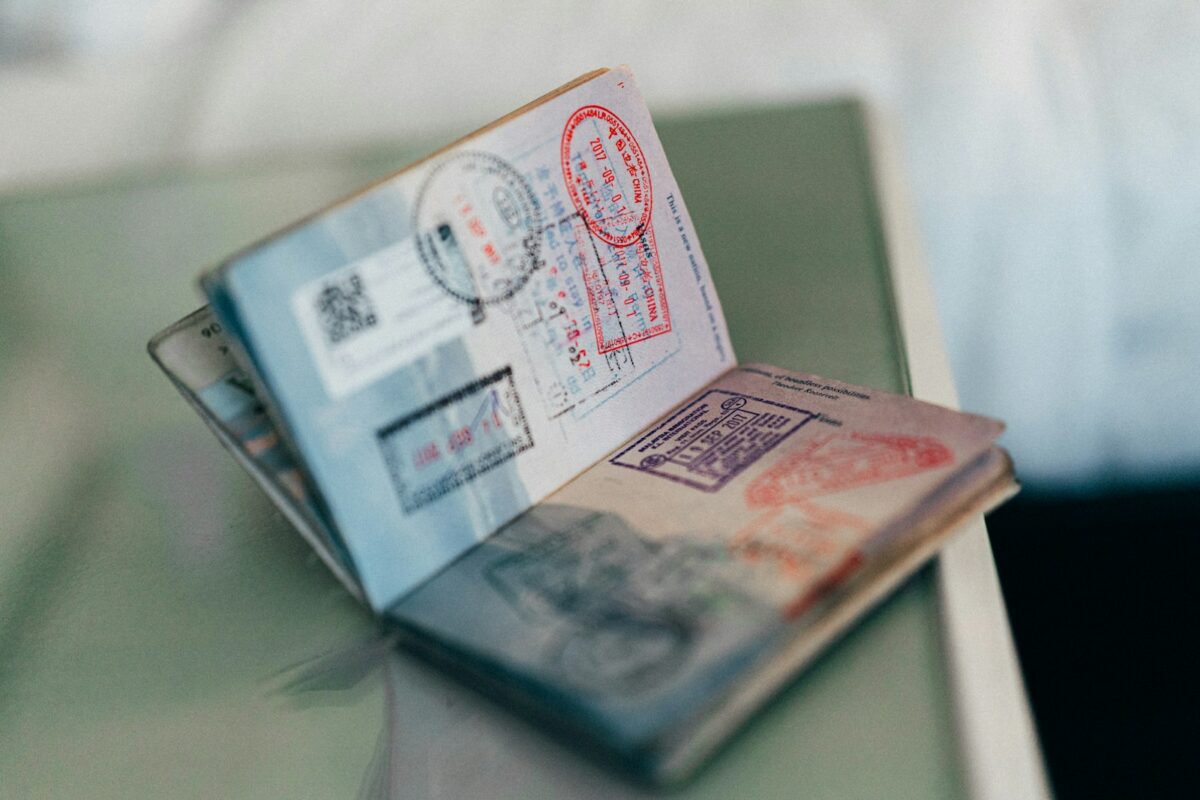
A job offer does not guarantee a visa. Thousands of qualified applicants learn that the hard way every year, when a single weak document sinks a file that looked airtight. Most of the common skilled worker visa refusal reasons have nothing to do with talent and everything to do with preparation. As of 2026, caseworkers across the UK, Canada, Australia, and Germany are stricter on funds, genuineness, and paperwork than they were two years ago. The good news: every one of these failures is preventable. Here are the five that recur, and the fix for each.

By the Travel Explore editorial desk. Last updated June 30, 2026.

What you will learn

Why strong applications still fail

Skilled-visa decisions are documentary, not personal. A caseworker rarely meets you; they meet your file. If the file leaves a gap, they refuse and move on. Consider Bilal, a Pakistani IT specialist with a real offer from a London firm. His salary qualified, his role qualified, yet his first attempt was refused over maintenance funds held in the wrong account for the wrong number of days. The skill was never the issue. The evidence was. That pattern repeats across destinations and visa classes.

The five skilled worker visa refusal reasons

  1. Insufficient or unstable funds. Money that arrived too recently, or sat below the required balance, reads as borrowed. Hold the exact sum for the full qualifying period.
  2. Salary below the going rate. Meeting the general floor is not enough if your specific occupation code demands more. UK guidance is blunt: you need a “confirmed job offer” at the right rate.
  3. Genuineness doubts. Vague job duties or a thinly staffed sponsor invite a refusal on credibility, a growing focus in sponsor-compliance checks.
  4. Document gaps. A missing translation, an unsigned letter, or an expired test score can end an otherwise strong case.
  5. Credentials not recognised. Skipping the official assessment of your degree leaves the caseworker unable to score you.

Building your evidence pack? Use our document and funds checklist before you submit: https://linktr.ee/travelexpore

How to refusal-proof your file

Treat the application like an audit. Hold your maintenance funds early and keep clean statements covering the full window. Match your salary to the exact occupation rate, not just the headline minimum. Ask your employer for a detailed role description that proves a genuine vacancy. Get every document translated and certified. Finish your credential assessment before you file. Two short rules help. Evidence beats assertion. Early beats rushed. Applicants who internalise both rarely see a refusal letter.

Reader questions

Are skilled worker visa refusal reasons the same in every country?
The themes repeat: funds, salary, genuineness, documents, and credentials. The exact thresholds and forms differ by destination.

Can I reapply after a refusal?
Usually yes. Read the refusal letter closely, fix the specific failing, and submit a stronger file rather than the same one again.

How long should I hold proof of funds?
It varies by country, but most require an unbroken balance for a set number of consecutive days, so prepare well ahead.

Does a refusal hurt future applications?
It can, because you must usually declare it. An honest, well-evidenced reapplication is far stronger than hiding the history.

Related reads

Share this story

  • LinkedIn: Most skilled-visa refusals are preventable. Five reasons strong files fail, and the fix for each.
  • Twitter/X: Talent is not the problem. Five skilled worker visa refusal reasons and how to beat them in 2026.
  • Facebook: About to apply for a work visa? Avoid these five refusal traps before you submit.

Submit once, get it right

A refusal costs months and money. Prepare your funds, salary evidence, and documents like a caseworker will read them, because one will. Start with our refusal-proofing checklist: https://linktr.ee/travelexpore

Sources

  • UK Government, Skilled Worker visa (T0): https://www.gov.uk/skilled-worker-visa
  • IRCC, work in Canada (T0): https://www.canada.ca/en/immigration-refugees-citizenship/services/work-canada.html
  • Free Movement, UK immigration law analysis (T1): https://freemovement.org.uk/


Tapay copy tradingGrow your money while you plan your moveTapay auto-copies a live trading strategy to your own account — spot & futures. Start free on demo, go live when you’re ready.Start free →

Trading involves risk. Only trade what you can afford to lose.

Canada Is Inviting Health Workers Again, At a Lower Score

Healthcare is Canada’s golden ticket again. On June 25, 2026, IRCC ran a Canada Express Entry healthcare draw and sent 4,000 invitations to apply for permanent residence at a Comprehensive Ranking System cut-off of just 475. That score sits well below most all-program rounds, which is the whole point of category-based selection. If your work is in nursing, care, or allied health, Canada is signalling that it wants you. Here is how the round worked and how to land an invitation in the next one.

By the Travel Explore editorial desk. Last updated June 30, 2026.

On this page

Inside the June healthcare round

The June 25 draw targeted what IRCC labels “Healthcare and social services occupations,” a category that now spans nurses, physicians, therapists, personal support workers, and social workers. Candidates needed a profile in the Express Entry pool, eligibility under a federal program, and at least one qualifying occupation. The 475 cut-off matters because category draws let IRCC invite skilled people who would never clear a general round in the 520s. Canada held 34 Express Entry draws between January and late June 2026 and issued more than 89,000 invitations. Health roles keep reappearing. The demand is structural, not a one-off.

Why the Canada Express Entry healthcare draw favours you

Category-based selection rewards occupation over raw points. Consider Liza, a Filipino nurse with three years on the ward and a band 7 in English. Her CRS hovers near 480, too low for a general draw but right in range for a healthcare round. That is the gap these draws were built to close. Get your credentials assessed, prove your language scores, and make sure your National Occupational Classification code lands inside the healthcare category. The score you fear is suddenly the score you need. One qualifying job code can change everything.

Want the current category list and cut-off history in one place? We track it here: https://linktr.ee/travelexpore

How to get into the next pool

Speed favours the prepared. Finish your Educational Credential Assessment early, because it is the step that strands most candidates. Book your language test now and aim high; a single band can swing your CRS by dozens of points. Confirm your job sits in an eligible NOC code for the healthcare category, then keep your profile live and accurate. IRCC draws are unpredictable in timing but consistent in theme. When the next healthcare round lands, you want to already be in the pool, not scrambling to enter it.

Moves to make now

  • Get your ECA done before you build the profile, not after.
  • Target a high language band; it moves CRS more than almost anything else.
  • Verify your occupation maps to an eligible healthcare NOC code.
  • Keep your Express Entry profile active so you never miss a round.

What candidates are asking

What CRS did the Canada Express Entry healthcare draw use?
The June 25, 2026 healthcare round invited 4,000 candidates at a cut-off of 475, lower than typical all-program draws.

Which jobs count as healthcare?
The category covers nurses, physicians, therapists, personal support workers, and several social-services roles under qualifying NOC codes.

Do I still need a federal program?
Yes. You must be eligible under a program such as the Canadian Experience Class or Federal Skilled Worker, then be picked within the category.

How often do healthcare draws happen?
IRCC does not publish a fixed calendar, but healthcare has been one of the most frequent categories across 2026 rounds.

Related reads

Share this story

  • LinkedIn: Canada just invited 4,000 health workers at CRS 475. If your score stalls in a general draw, read this.
  • Twitter/X: CRS 475 and 4,000 invites. Canada’s healthcare Express Entry draw is the route many nurses miss.
  • Facebook: Nurses and care workers: Canada wants you. Here is how the latest Express Entry healthcare draw works.

Turn a healthcare role into a Canadian PR card

The candidates who win category draws are the ones whose paperwork is ready before the invitation lands. Line up your ECA, language scores, and NOC code today. Start with our Canada PR toolkit: https://linktr.ee/travelexpore

Sources

  • IRCC, Express Entry rounds of invitations (T0): https://www.canada.ca/en/immigration-refugees-citizenship/services/immigrate-canada/express-entry/submit-profile/rounds-invitations.html
  • CanadaVisa, Express Entry invitations tracker (T1): https://www.canadavisa.com/express-entry-invitations-to-apply-issued.html
  • Fragomen, Canada category-based selection 2026 (T1): https://www.fragomen.com/insights/canada-updates-to-express-entry-category-based-selection-for-2026.html


Tapay copy tradingGrow your money while you plan your moveTapay auto-copies a live trading strategy to your own account — spot & futures. Start free on demo, go live when you’re ready.Start free →

Trading involves risk. Only trade what you can afford to lose.

Europe’s Borders Just Went Biometric: What You’ll Face

April 9, 2026 ended the old way of crossing into Europe. The EU EES biometric border system is now live, swapping passport stamps for fingerprints and a facial scan for every non-EU traveller entering the Schengen Area. Fly in for a holiday, a conference, or a job interview, and your first crossing now means a short enrolment at the kiosk. A second change, ETIAS, arrives later this year. Here is what actually changes for you.

By the Travel Explore editorial desk. Last updated June 30, 2026.

Quick map of this guide

What the new border check involves

The Entry/Exit System records your face and fingerprints the first time you cross, then logs every entry and exit electronically. No more ink stamps. The system “goes live on 10 April 2026,” France’s foreign ministry confirmed, after a phased rollout that began in October 2025. Your data sits in a central file for three years. The upside is real. Returning trips should be faster once you are enrolled, because the kiosk already holds your record. The first crossing is the slow one. Plan for delays. Border staff can still wave you through manually during peak crush periods, but you cannot count on it.

Where the EU EES biometric border system applies

The EU EES biometric border system covers all 29 countries applying Schengen rules at their external borders, from Lisbon to Helsinki. It applies to short stays only, the familiar 90 days in any 180. Take Mateus, a Brazilian design consultant who hops between client offices in Berlin and Madrid. Brazil is visa-exempt for short Schengen visits, so he never needed a visa. He still needs to enrol his biometrics now, and the clock on his 90/180 allowance is tracked automatically, not estimated by a tired officer with a calculator. Overstays are harder to hide. The math is the same. The enforcement is sharper.

Mapping your own move or multi-country trip? We keep the running checklist here: https://linktr.ee/travelexpore

ETIAS is the next step, not the same step

People keep mixing up the two systems. EES is the border check you clear in person. ETIAS is a pre-travel authorisation you buy online before you leave home, expected in the last quarter of 2026, costing 20 euros and valid for multiple trips. Visa-exempt travellers from roughly 60 countries will need it. It is not a visa. It is a quick screening tied to your passport. The smart move is to treat them as a pair: enrol your biometrics at the border now, and watch for the ETIAS launch date so a 20-euro form does not derail a booked trip.

Before you fly

  • Allow extra time at your first post-April crossing for biometric enrolment.
  • The EES check is free; only ETIAS later carries the 20-euro fee.
  • Your 90/180 short-stay count is now tracked automatically, so track it yourself too.
  • EES and ETIAS are separate steps that arrive at different times in 2026.

Questions travellers keep asking

Is the EU EES biometric border system already running?
Yes. Full application started on 9 April 2026 across the Schengen external borders, after a phased introduction from October 2025.

Do I pay for EES?
No. Biometric enrolment at the border is free. The 20-euro charge belongs to ETIAS, the separate online authorisation due later in 2026.

Does EES change the 90-day rule?
No. The 90 days in any 180 limit stays. EES simply records your entries and exits so the count is automatic and exact.

Will I be enrolled every trip?
No. Your biometrics are stored for three years, so later crossings reuse the record and should move faster than the first.

Related reads

Share this story

  • LinkedIn: Europe’s borders went biometric on 9 April. Here is what business travellers must do differently.
  • Twitter/X: No more passport stamps in Europe. EES is live, ETIAS is next. What it means for your next trip.
  • Facebook: Planning a Europe trip in 2026? Two new border systems change how you cross. Read before you book.

Cross Europe’s new borders without the stress

Biometric borders reward travellers who prepare and punish those who wing it. Get the timing, the fees, and the 90/180 math right before you pack. Start with our living Europe travel toolkit: https://linktr.ee/travelexpore

Sources

  • France Ministry for Europe and Foreign Affairs, EES go-live notice (T0): https://www.diplomatie.gouv.fr/en/services-to-foreigners/visiting-france/ees-the-new-european-border-entryexit-system-goes-live-on-10-april-2026
  • European Commission, Migration and Home Affairs, Entry/Exit System (T0): https://home-affairs.ec.europa.eu/policies/schengen/smart-borders/entry-exit-system_en
  • UK Government, EU Entry/Exit System guidance (T0): https://www.gov.uk/guidance/eu-entryexit-system


Tapay copy tradingGrow your money while you plan your moveTapay auto-copies a live trading strategy to your own account — spot & futures. Start free on demo, go live when you’re ready.Start free →

Trading involves risk. Only trade what you can afford to lose.
What It Really Costs to Move Abroad in 2026

Moving abroad used to be priced in your head as a plane ticket plus a visa fee. That mental model is broken. The real cost to move abroad 2026 stacks up across application charges, proof-of-funds you must show, deposits, health surcharges and a few fees nobody warns you about. As of 2026, the visa sticker price is often the smallest line. Here is the full picture, so your savings match reality, not a rough guess.

By the Travel Explore editorial desk. Last updated 29 June 2026.

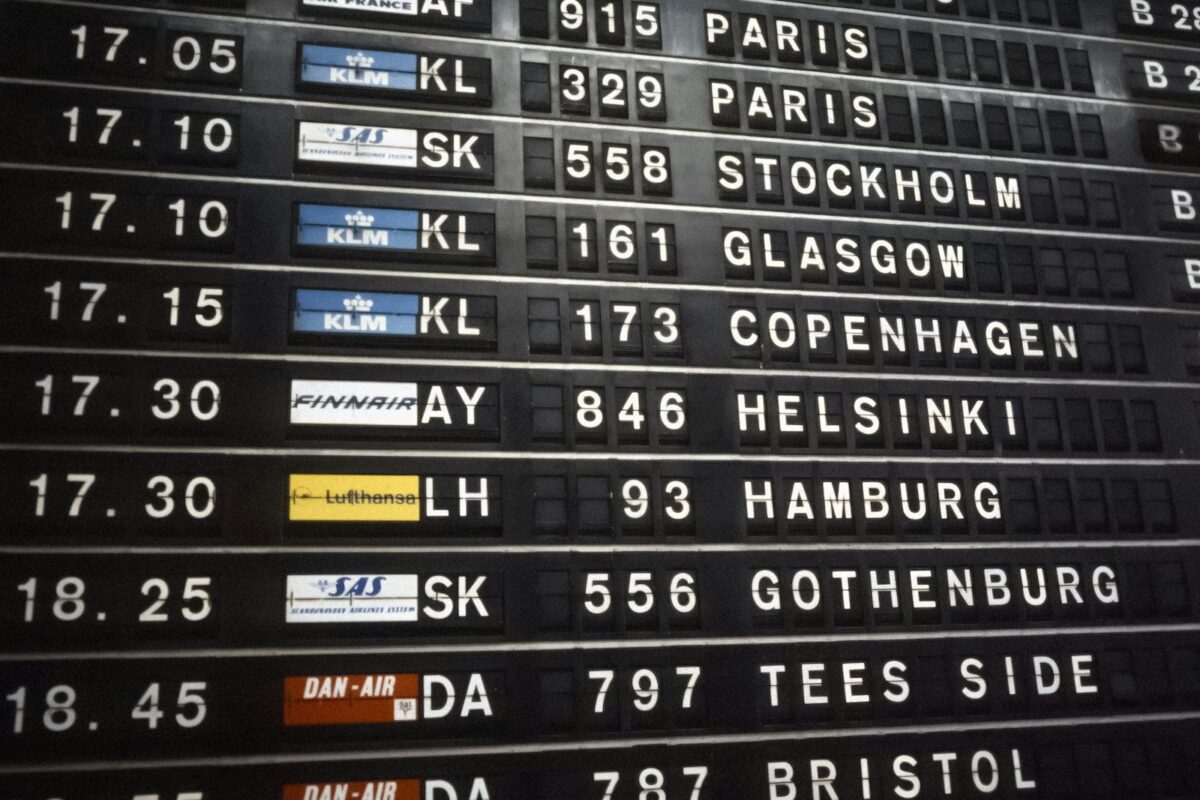
Cost to move abroad 2026 shown on an airport departures board

What the move really includes

The upfront fees you can see

Start with the obvious. Visa application fees range from modest to steep, and several countries add a health surcharge on top. The UK charges an Immigration Health Surcharge per year of your visa. The US now adds a $250 visa integrity fee at issuance. Australia and New Zealand levy application charges per applicant, so a family multiplies fast. Credential evaluations, police certificates and biometrics each carry their own small bills.

None of these is huge alone. Added together, across a couple of people, they often clear several thousand dollars before you have booked a flight.

Proof-of-funds and the cost to move abroad 2026

This is the line that surprises people most. Many visas require you to show settlement or maintenance money you are not spending, only proving. Canada sets fixed proof-of-funds amounts for Express Entry by family size. The UK asks students and many workers to hold maintenance funds for a set period. Germany expects a blocked account for job-seekers and students. You are not paying this money away, but it must sit in your account, which changes how much you actually need saved.

Treat proof-of-funds as locked capital. It shapes your timeline as much as your budget.

The hidden charges that catch people

Take Bilal, an IT specialist from Lahore moving on a skilled-worker route. He budgeted the visa fee and a flight, then met the rest: a first-month rent deposit plus agent fee, baggage and shipping, currency conversion losses, private health cover before his public coverage started, and the cost of certifying documents. His real outlay ran far past the visa line.

Build a buffer for these. A simple rule: whatever the official fees total, add a settling-in fund for one to three months of rent, transport and food in your destination city. Two short words help here. Plan generously.

Want a personalised move-cost estimate for your destination and family size? Build one with us at https://linktr.ee/travelexpore.

Money checklist

  • Count visa fees, surcharges and biometrics for every applicant.
  • Set aside proof-of-funds as locked, not spendable, money.
  • Add deposits, shipping and currency losses to your budget.
  • Keep a one-to-three-month settling-in fund on top.

For destination-specific figures, see our guide to proof-of-funds across major work and study visas.

Budget questions, answered

Is proof-of-funds money I have to spend?

No. You must show you hold it, usually for a set period, but it stays yours to use after you arrive.

What is the most overlooked cost?

Settling-in money, the rent deposits, shipping and early living costs before your first local pay arrives.

Do fees rise each year?

Often, yes. Several countries index visa and health charges annually, so always check current figures before you apply.

Can I reduce the upfront burden?

Sometimes, by timing applications, choosing routes with lower surcharges, or applying as the right family configuration.

Keep reading

Share this story

  • LinkedIn: The visa fee is the smallest part of moving abroad. Here is the full 2026 cost picture.
  • Twitter: Cost to move abroad 2026: visa fees are the small line. Proof-of-funds and hidden charges are the big ones.
  • Facebook: Thinking of moving abroad? Budget for these costs before you book anything.

Count the full cost before you commit

A move planned on the visa fee alone runs out of money fast. Map every charge for your destination and family size, and build a realistic relocation budget with help at https://linktr.ee/travelexpore.

Sources

Tapay copy tradingGrow your money while you plan your moveTapay auto-copies a live trading strategy to your own account — spot & futures. Start free on demo, go live when you’re ready.Start free →

Trading involves risk. Only trade what you can afford to lose.